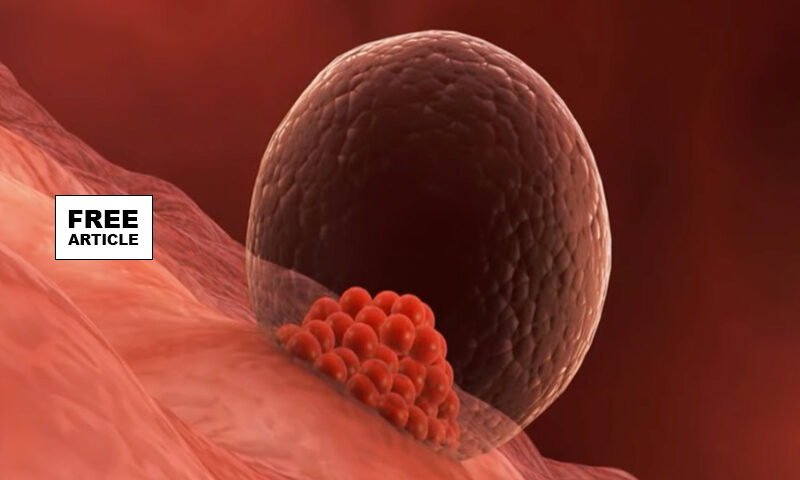
Life is Not Possible Without Progesterone – But It is Far More Than a Gestational hormone

The name progesterone is self-explanatory, it is the Pro-Gestational Hormone, essential for pregnancy. However, this steroid hormone is far more than a gestational agent. Progesterone is recognized as a key physiological component of not only the menstrual cycle and pregnancy but also as an essential precursor of other gonadal and non-gonadal hormones such as aldosterone, cortisol, estradiol, and testosterone.

Read More
Society and Biology

Society Has Evolved Biology Hasn’t

Across the Western world, the age at which women become mothers has steadily increased over the past several decades, reflecting profound social, economic, and cultural shifts. In the mid-20th century, first births commonly occurred in a woman’s early to mid-20s, closely tied to earlier marriage and more traditional life trajectories. Today, however, the average age at first birth in most Western countries has moved into the late 20s or early 30s, with a growing proportion of women having their first child at 35 years or older. This trend is observed across North America, Western Europe, Australia, and parts of East Asia with similar socioeconomic structures, making delayed motherhood a defining demographic feature of high-income societies.

Read More

The Role of Lactobacillus in Preterm Birth

The vaginal microbiome plays an important role in influencing pregnancy outcome. Dominance of the vaginal niche by Lactobacillus species has been widely reported to be associated with a healthy, full-term pregnancy, specifically Lactobacillus crispatus. In contrast, diverse microbial communities depleted of Lactobacillus species and enriched with bacteria associated with Bacterial Vaginosis; a clinical syndrome characterized by vaginal discharge odor and polymicrobial overgrowth, increases the risk of adverse pregnancy outcomes including miscarriage and preterm birth.

Read More
Diet and Disease

The Role of Diet in Disease: The Real Science

Diet and nutrition play a foundational role in human health, influencing metabolism, immune function, hormone regulation, inflammation, and the gut microbiome. At the same time, there is widespread confusion about what diet can and cannot do. While nutrition is a powerful modifier of disease risk and progression, it is rarely a cure in itself. Scientific evidence consistently shows that diet shapes the likelihood of developing certain diseases and can meaningfully improve outcomes once disease is present, but claims that diet alone can cure complex illnesses such as cancer are not supported by rigorous research.

Read More
PCOS SHBG

PCOS Isn’t One-Size-Fits-All: New Research Identifies Four Distinct Subtypes — And What That Means for You

Polycystic ovary syndrome (PCOS) affects an estimated 11 to 13% of women worldwide and is one of the most common endocrine disorders in reproductive-age women. Yet despite its prevalence, PCOS has long been treated as a single diagnosis, even though women experience it in strikingly different ways. Some struggle primarily with irregular cycles and infertility, others with weight gain, insulin resistance, or long-term cardiometabolic disease.

Read More
Society Evolved, Biology Didn't

Society Has Evolved Biology Hasn’t

Across the Western world, the age at which women become mothers has steadily increased over the past several decades, reflecting profound social, economic, and cultural shifts. In the mid-20th century, first births commonly occurred in a woman’s early to mid-20s, closely tied to earlier marriage and more traditional life trajectories. Today, however, the average age at first birth in most Western countries has moved into the late 20s or early 30s, with a growing proportion of women having their first child at 35 years or older.

Read More
AI Ultrasound Reading

AI Ultrasound Analysis is More Accurate Than Cervical Length in Predicting Preterm Birth

Preterm birth, defined as delivery before 37 completed weeks of pregnancy, affects roughly one in ten pregnancies worldwide and remains the leading cause of neonatal mortality. Beyond the immediate risks to newborn survival, babies born too early face higher rates of long-term health challenges, including respiratory disease, neurodevelopmental delays, and chronic conditions that can persist into adulthood.

Read More
Reproductive Technologies

A Brave New World – Advances in Reproductive Technology

Advances in reproductive medicine are opening doors that were unimaginable just a generation ago, particularly for women concerned about inherited disease and fertility loss. Emerging technologies such as mitochondrial replacement therapy, gene editing, and the development of artificial gametes promise new ways to prevent severe genetic disorders and expand reproductive options. For women who carry known genetic mutations or who have lost fertility due to age, cancer treatment, or medical conditions, these innovations offer the possibility of having healthy, genetically related children; an outcome that until recently was often out of reach.

Read More
Mitochondrial Diseases

Mitochondrial Diseases a Maternal Legacy

Mitochondria are inherited almost exclusively from the mother through the egg cell. During fertilization, the sperm contributes mainly its nuclear DNA, while its mitochondria, located in the sperm’s tail, either fail to enter the egg or are actively destroyed after entry. As a result, all the mitochondria in an embryo come from the mother’s egg, making mitochondrial DNA (mtDNA) maternally inherited.

Read More
Polycystic Ovary Syndrome

PCOS Explained (Part 1) – The Hidden Hormone Loop

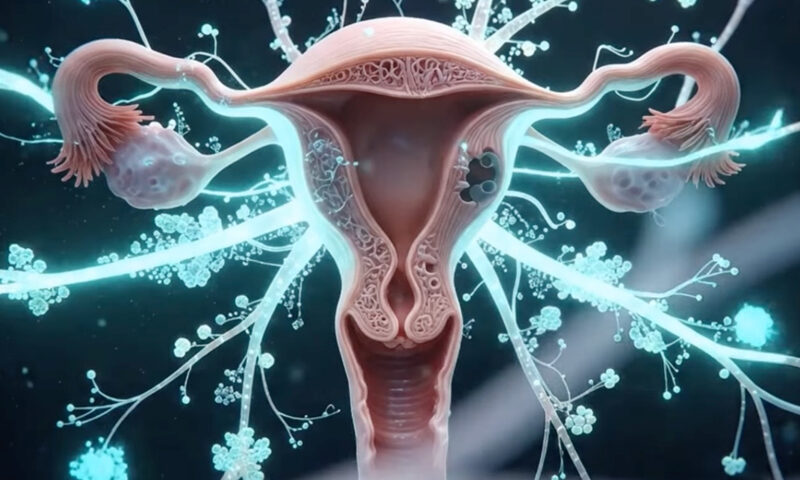
Polycystic Ovary Syndrome (PCOS) is a complex endocrine disorder characterized by an interplay between genetic, metabolic, and hormonal abnormalities that lead to ovarian dysfunction, hyperandrogenism, and metabolic disturbances. The pathophysiology begins with insulin resistance, which occurs in many but not all women with PCOS and contributes significantly to its endocrine and metabolic features.

Read More