Reverse Vaccines

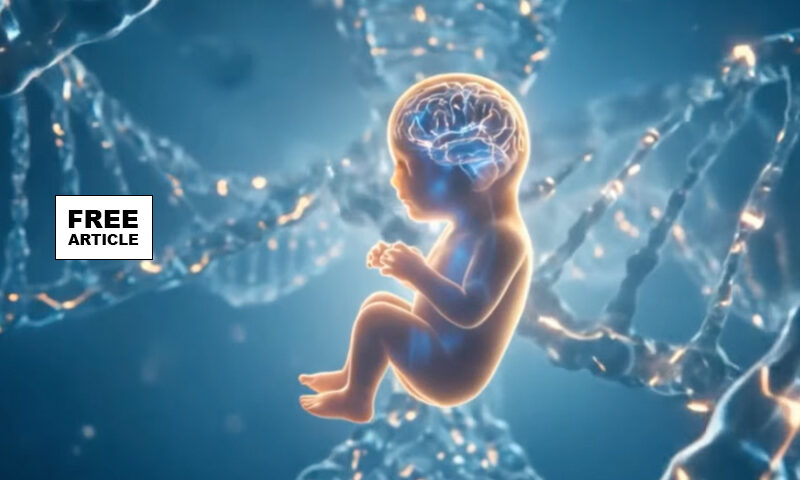
The Hidden Biology of Sexual Orientation: Epigenetic Modifications During Fetal Development

There is evidence suggesting that epigenetic mechanisms may contribute to sexual orientation, including homosexuality, though they are best understood as one component of a complex, multifactorial biological system rather than a single cause. Epigenetics refers to heritable changes in gene regulation, such as DNA methylation, histone modification, and non-coding RNA activity, that alter how genes are expressed without changing the underlying DNA sequence.

Society and Biology

Society Has Evolved Biology Hasn’t

Across the Western world, the age at which women become mothers has steadily increased over the past several decades, reflecting profound social, economic, and cultural shifts. In the mid-20th century, first births commonly occurred in a woman’s early to mid-20s, closely tied to earlier marriage and more traditional life trajectories. Today, however, the average age at first birth in most Western countries has moved into the late 20s or early 30s, with a growing proportion of women having their first child at 35 years or older. This trend is observed across North America, Western Europe, Australia, and parts of East Asia with similar socioeconomic structures, making delayed motherhood a defining demographic feature of high-income societies.

Diet and Disease

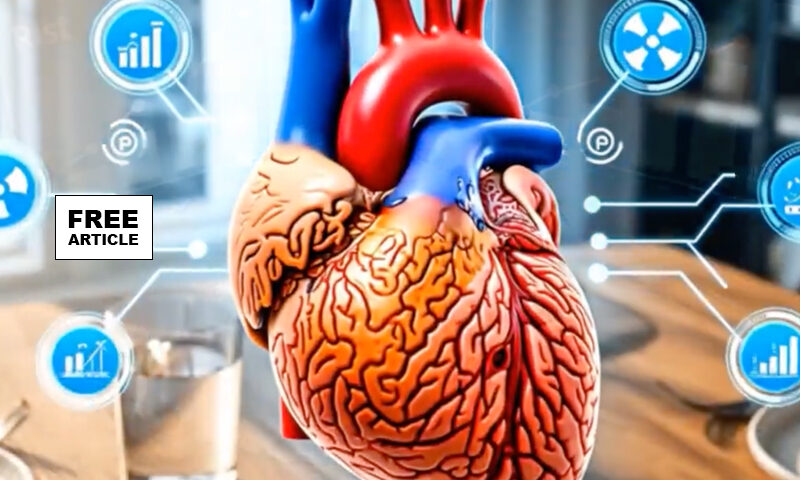
The Role of Diet in Disease: The Real Science

Diet and nutrition play a foundational role in human health, influencing metabolism, immune function, hormone regulation, inflammation, and the gut microbiome. At the same time, there is widespread confusion about what diet can and cannot do. While nutrition is a powerful modifier of disease risk and progression, it is rarely a cure in itself. Scientific evidence consistently shows that diet shapes the likelihood of developing certain diseases and can meaningfully improve outcomes once disease is present, but claims that diet alone can cure complex illnesses such as cancer are not supported by rigorous research.

Society Evolved, Biology Didn't

Society Has Evolved Biology Hasn’t

Across the Western world, the age at which women become mothers has steadily increased over the past several decades, reflecting profound social, economic, and cultural shifts. In the mid-20th century, first births commonly occurred in a woman’s early to mid-20s, closely tied to earlier marriage and more traditional life trajectories. Today, however, the average age at first birth in most Western countries has moved into the late 20s or early 30s, with a growing proportion of women having their first child at 35 years or older.

CRISPR Babies – Should We Allow Editing Of An Embryo’s Genes?

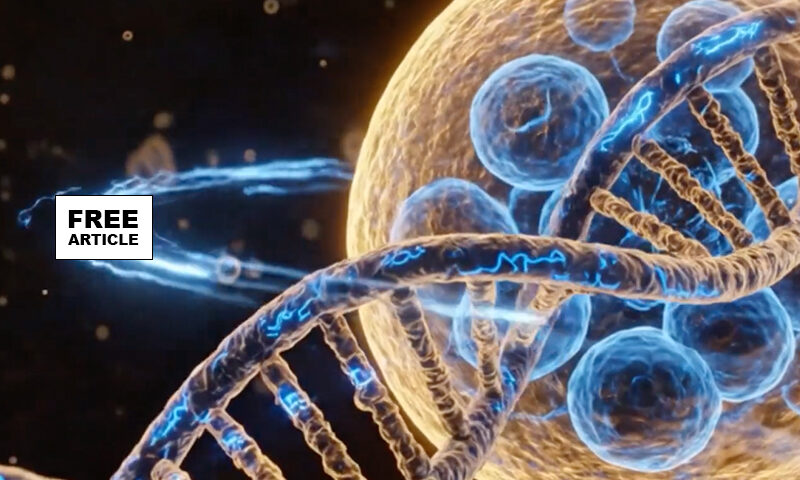
CRISPR editing of an embryo’s genes involves using targeted molecular tools to modify DNA at the earliest stages of development, where a single change can propagate to every cell of the developing child. In this context, CRISPR-Cas9 is programmed with a guide RNA that recognizes a specific gene sequence associated with a disease or trait; once it binds, the Cas9 enzyme makes a precise cut in the DNA.

Your Child’s Cells Live Within You for Decades

During pregnancy, there is a physiological exchange between mother and fetus through the placenta This transplacental traffic can be unidirectional or bidirectional. The unidirectional transfer involves nutrients, water, electrolytes, oxygen, hormones, and immunoglobulins being transferred from the mother to the fetus and carbon dioxide and catabolism products from the fetus being transferred to the mother. Bidirectional traffic consists of maternal-fetal exchanges of cells and genetic material such as DNA. 

Tylenol and Autism

Tylenol is Not the Cause of Autism

Genetic alterations that are responsible for autism most likely occur before conception takes place. These heritable genetic alterations are present in the parental genome long before a child is conceived. Drugs taken during pregnancy are very unlikely to alter the underlying gene expression.

Femtech

Femtech, the Future of Women’s Healthcare

FemTech, short for female technology, refers to software and services that utilize technology to address women's health needs. The emergence of women’s health technologies, or ‘FemTech’, is a significant advancement in women’s healthcare and reproductive rights. These rights, which include the right to abortion, contraception, and equitable fertility treatment, are essential to guaranteeing women’s bodily autonomy and human dignity. The FemTech industry promises to empower women by offering them tools to better understand and manage their reproductive health through a solid empowerment narrative. While offering potential for improved access to healthcare and personalized solutions, FemTech also faces challenges related to data privacy, regulatory issues, and the need for more robust scientific evidence. 

Gender vs Sexuality

Sexuality Is Fluid Gender Is Immutable

Women have 28 trillion cells all with XX chromosomes; and males have 36 trillion cells with XY chromosomes. The Y chromosome carries genes that are involved in basic cellular functions. In females, most genes on one of the two X chromosomes are silenced in every cell. This inactivation makes each female a functional mosaic because some cells express one X chromosome, and other cells express the other. The advantages of heterozygosity can be amplified by selection against cells in which the active X chromosome carries a detrimental allele.