The Estrobolome: Helps Control Estrogen Levels

The estrobolome refers to the collection of genes within the gut microbiome that are capable of metabolizing estrogens. Rather than being a distinct group of bacteria, it is a functional concept: specific intestinal microbes possess enzymes, most notably beta-glucuronidase, that regulate how estrogens are processed, recycled, and reabsorbed in the body.

Breast Feeding

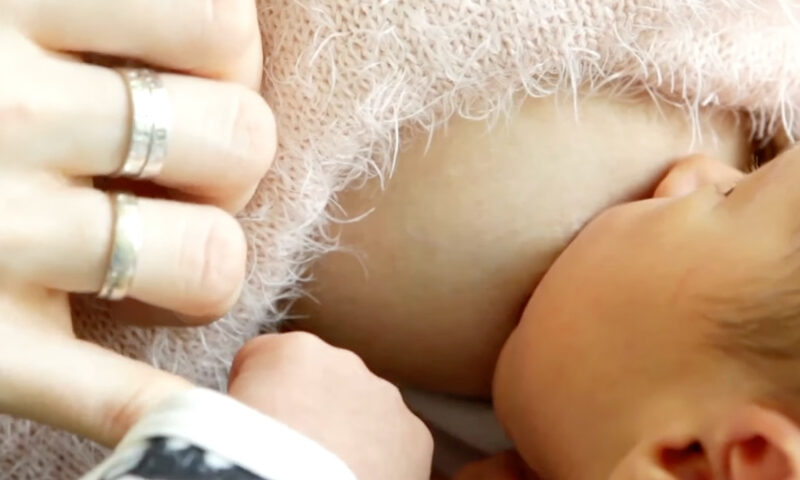
Breast Feeding Shapes the Infant Microbiome

Breastfeeding plays a foundational role in shaping the infant microbiome during a narrow and highly influential developmental window. Human milk is not simply nutrition; it is a biologically active fluid containing complex sugars called human milk oligosaccharides (HMOs), immunoglobulins such as secretory IgA, antimicrobial peptides, cytokines, growth factors, and even live immune cells.

Microbiome and Fertility

How Your Microbiome Affects Fertility

The relationship between the microbiome and fertility has become one of the most intriguing frontiers in reproductive medicine. Far from being passive passengers, the trillions of microorganisms that live in the gut, vagina, and even the endometrium actively shape hormonal balance, immune regulation, and implantation, three pillars of successful conception.

Natural Selection

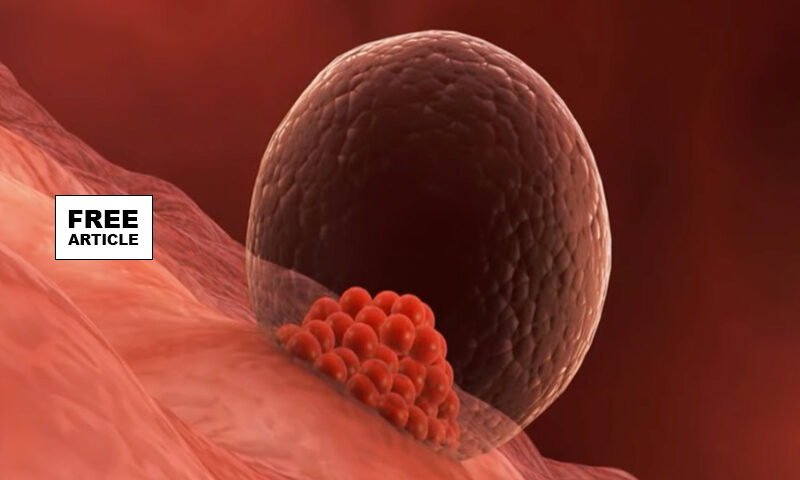
Natural Selection: Two-Thirds of All Pregnancies Are lost But D’ont Despair

Don't despair, nature protects you and your child by selecting only the best embryos so that you have the best chance to give birth to a healthy child. This article will explain the natural selective process and its protective function. Perhaps more importantly we will suggest strategies that will help increase your odds of having a healthy child. One Strategy is egg freezing to ensure you have a young healthy egg available if you are not ready to have a child yet but want to keep your options open. The other is IVF where the embryologist selects only the highest quality embryos.

Life is Not Possible Without Progesterone – But It is Far More Than a Gestational hormone

The name progesterone is self-explanatory, it is the Pro-Gestational Hormone, essential for pregnancy. However, this steroid hormone is far more than a gestational agent. Progesterone is recognized as a key physiological component of not only the menstrual cycle and pregnancy but also as an essential precursor of other gonadal and non-gonadal hormones such as aldosterone, cortisol, estradiol, and testosterone.

The Role of Lactobacillus in Preterm Birth

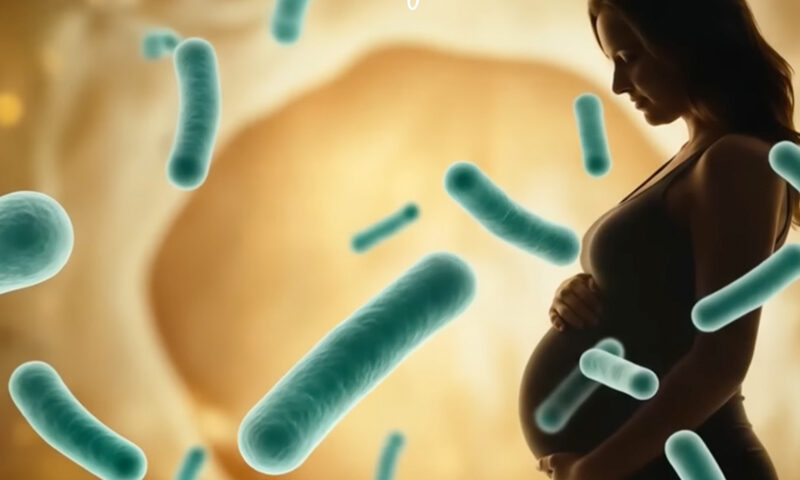
The vaginal microbiome plays an important role in influencing pregnancy outcome. Dominance of the vaginal niche by Lactobacillus species has been widely reported to be associated with a healthy, full-term pregnancy, specifically Lactobacillus crispatus. In contrast, diverse microbial communities depleted of Lactobacillus species and enriched with bacteria associated with Bacterial Vaginosis; a clinical syndrome characterized by vaginal discharge odor and polymicrobial overgrowth, increases the risk of adverse pregnancy outcomes including miscarriage and preterm birth.

AI Ultrasound Reading

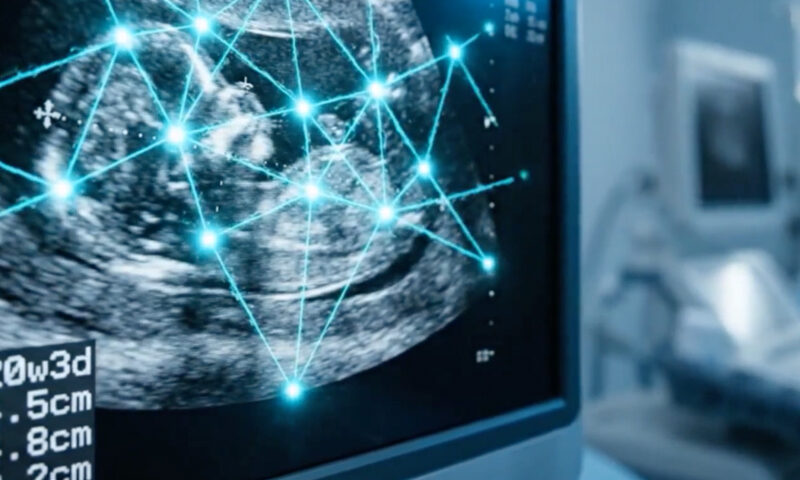
AI Ultrasound Analysis is More Accurate Than Cervical Length in Predicting Preterm Birth

Preterm birth, defined as delivery before 37 completed weeks of pregnancy, affects roughly one in ten pregnancies worldwide and remains the leading cause of neonatal mortality. Beyond the immediate risks to newborn survival, babies born too early face higher rates of long-term health challenges, including respiratory disease, neurodevelopmental delays, and chronic conditions that can persist into adulthood.

Reproductive Technologies

A Brave New World – Advances in Reproductive Technology

Advances in reproductive medicine are opening doors that were unimaginable just a generation ago, particularly for women concerned about inherited disease and fertility loss. Emerging technologies such as mitochondrial replacement therapy, gene editing, and the development of artificial gametes promise new ways to prevent severe genetic disorders and expand reproductive options. For women who carry known genetic mutations or who have lost fertility due to age, cancer treatment, or medical conditions, these innovations offer the possibility of having healthy, genetically related children; an outcome that until recently was often out of reach.

Mitochondrial Diseases

Mitochondrial Diseases a Maternal Legacy

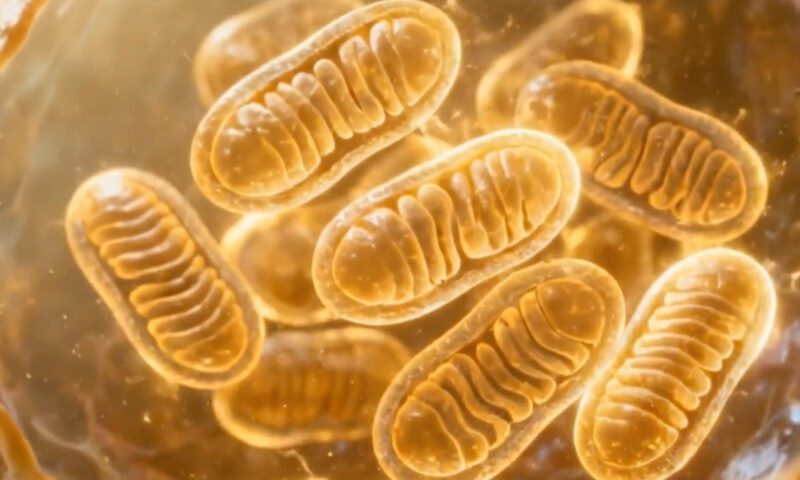
Mitochondria are inherited almost exclusively from the mother through the egg cell. During fertilization, the sperm contributes mainly its nuclear DNA, while its mitochondria, located in the sperm’s tail, either fail to enter the egg or are actively destroyed after entry. As a result, all the mitochondria in an embryo come from the mother’s egg, making mitochondrial DNA (mtDNA) maternally inherited.