The Estrobolome: Helps Control Estrogen Levels

The estrobolome refers to the collection of genes within the gut microbiome that are capable of metabolizing estrogens. Rather than being a distinct group of bacteria, it is a functional concept: specific intestinal microbes possess enzymes, most notably beta-glucuronidase, that regulate how estrogens are processed, recycled, and reabsorbed in the body.

Natural Selection

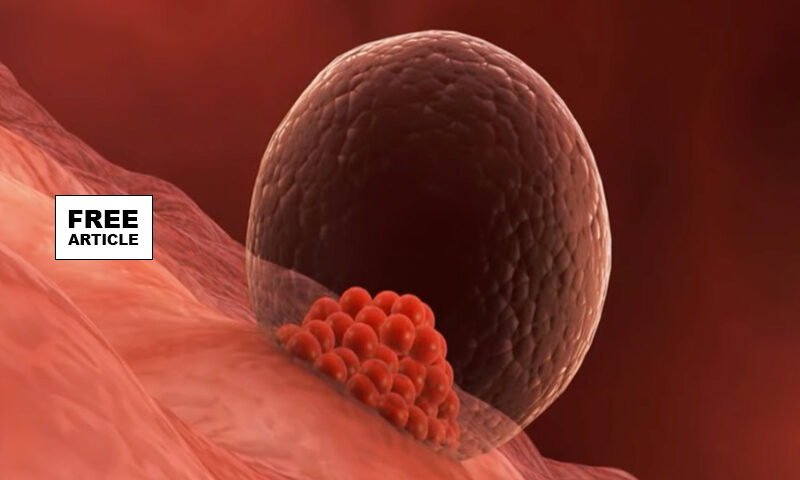
Natural Selection: Two-Thirds of All Pregnancies Are lost But D’ont Despair

Don't despair, nature protects you and your child by selecting only the best embryos so that you have the best chance to give birth to a healthy child. This article will explain the natural selective process and its protective function. Perhaps more importantly we will suggest strategies that will help increase your odds of having a healthy child. One Strategy is egg freezing to ensure you have a young healthy egg available if you are not ready to have a child yet but want to keep your options open. The other is IVF where the embryologist selects only the highest quality embryos.

80% Of All Autoimmune Diseases Occur in Women

Autoimmune diseases are the third most prevalent disease category, outpaced only by cancer and heart disease. Autoimmune diseases occur when the immune system, which typically defends the body against harmful invaders like bacteria and viruses, begins to attack healthy tissues causing inflammation and damage. These disorders disproportionately affect women, with approximately 80% of all autoimmune disease patients being women. Understanding why these diseases occur more frequently in women, their implications, and how they can be managed is a crucial area of study in modern medical science.

Infection Prevention

Infection Prevention Is Critical For The Safety Of Mother and Child

Pregnant women are more vulnerable to infections and tend to experience more severe symptoms due to several physiological and immunological changes that occur during pregnancy. The immune system undergoes modifications to accommodate and protect the developing fetus, which is genetically distinct from the mother. This immunological adaptation involves a shift away from cell-mediated immunity towards a more anti-inflammatory state, which helps prevent the maternal immune system from rejecting the fetus.

Society and Biology

Society Has Evolved Biology Hasn’t

Across the Western world, the age at which women become mothers has steadily increased over the past several decades, reflecting profound social, economic, and cultural shifts. In the mid-20th century, first births commonly occurred in a woman’s early to mid-20s, closely tied to earlier marriage and more traditional life trajectories. Today, however, the average age at first birth in most Western countries has moved into the late 20s or early 30s, with a growing proportion of women having their first child at 35 years or older. This trend is observed across North America, Western Europe, Australia, and parts of East Asia with similar socioeconomic structures, making delayed motherhood a defining demographic feature of high-income societies.

Diet and Disease

The Role of Diet in Disease: The Real Science

Diet and nutrition play a foundational role in human health, influencing metabolism, immune function, hormone regulation, inflammation, and the gut microbiome. At the same time, there is widespread confusion about what diet can and cannot do. While nutrition is a powerful modifier of disease risk and progression, it is rarely a cure in itself. Scientific evidence consistently shows that diet shapes the likelihood of developing certain diseases and can meaningfully improve outcomes once disease is present, but claims that diet alone can cure complex illnesses such as cancer are not supported by rigorous research.

Society Evolved, Biology Didn't

Society Has Evolved Biology Hasn’t

Across the Western world, the age at which women become mothers has steadily increased over the past several decades, reflecting profound social, economic, and cultural shifts. In the mid-20th century, first births commonly occurred in a woman’s early to mid-20s, closely tied to earlier marriage and more traditional life trajectories. Today, however, the average age at first birth in most Western countries has moved into the late 20s or early 30s, with a growing proportion of women having their first child at 35 years or older.

Reproductive Technologies

A Brave New World – Advances in Reproductive Technology

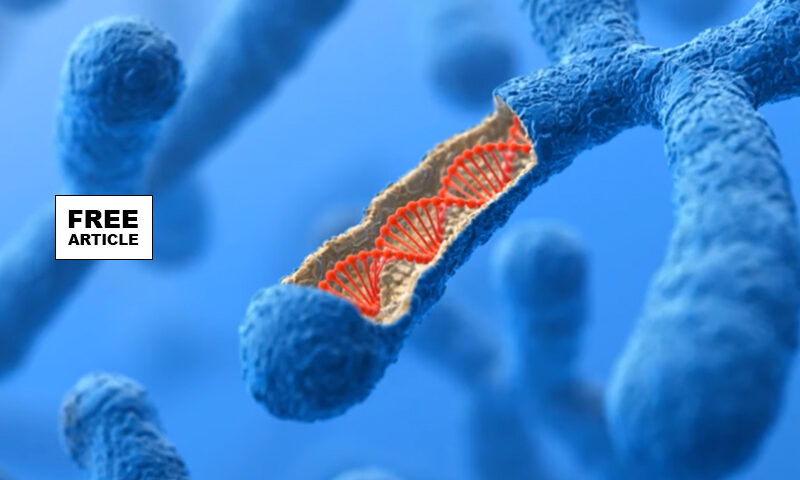
Advances in reproductive medicine are opening doors that were unimaginable just a generation ago, particularly for women concerned about inherited disease and fertility loss. Emerging technologies such as mitochondrial replacement therapy, gene editing, and the development of artificial gametes promise new ways to prevent severe genetic disorders and expand reproductive options. For women who carry known genetic mutations or who have lost fertility due to age, cancer treatment, or medical conditions, these innovations offer the possibility of having healthy, genetically related children; an outcome that until recently was often out of reach.

Neurodegeneration

Why Women Are More Susceptible to Neurodegeneration & A Commonly Used Drug, Metformin May Be Protective

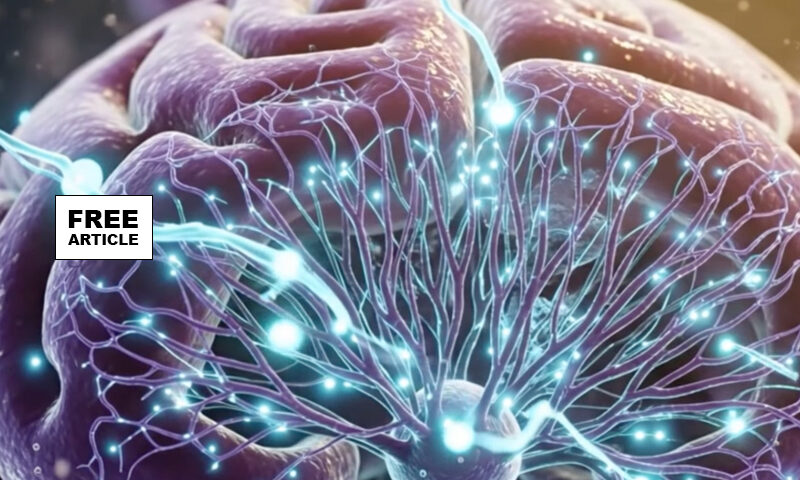
Multiple sclerosis and Alzheimer’s disease each affect women more often than men, about two to three times as often. Also, two-thirds of healthy women have ‘brain fog’ during menopause. Hormones such as estrogen clearly play a role, but their decline does not fully account for why female brains appear more vulnerable to neuroinflammatory and neurodegenerative processes.