Reverse Vaccines

The Hidden Biology of Sexual Orientation: Epigenetic Modifications During Fetal Development

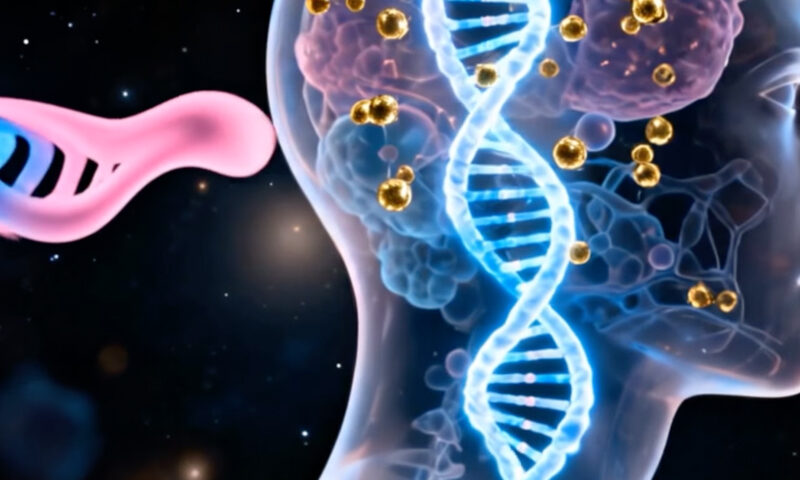
There is evidence suggesting that epigenetic mechanisms may contribute to sexual orientation, including homosexuality, though they are best understood as one component of a complex, multifactorial biological system rather than a single cause. Epigenetics refers to heritable changes in gene regulation, such as DNA methylation, histone modification, and non-coding RNA activity, that alter how genes are expressed without changing the underlying DNA sequence.

Epigenetics

Inverse Vaccines: Tomorrows Therapy for Autoimmune Diseases

Inverse vaccines represent one of the most innovative emerging strategies in autoimmune disease, especially relevant for women, who are disproportionately affected by conditions like Systemic Lupus Erythematosus, Rheumatoid Arthritis, and Multiple Sclerosis. Unlike traditional vaccines, which stimulate the immune system to recognize and attack foreign pathogens, inverse vaccines are designed to do the opposite: they selectively retrain the immune system to tolerate the body’s own tissues by targeting the specific autoantigens that trigger disease.

The Estrobolome: Helps Control Estrogen Levels

The estrobolome refers to the collection of genes within the gut microbiome that are capable of metabolizing estrogens. Rather than being a distinct group of bacteria, it is a functional concept: specific intestinal microbes possess enzymes, most notably beta-glucuronidase, that regulate how estrogens are processed, recycled, and reabsorbed in the body.

Breast Feeding

Breast Feeding Shapes the Infant Microbiome

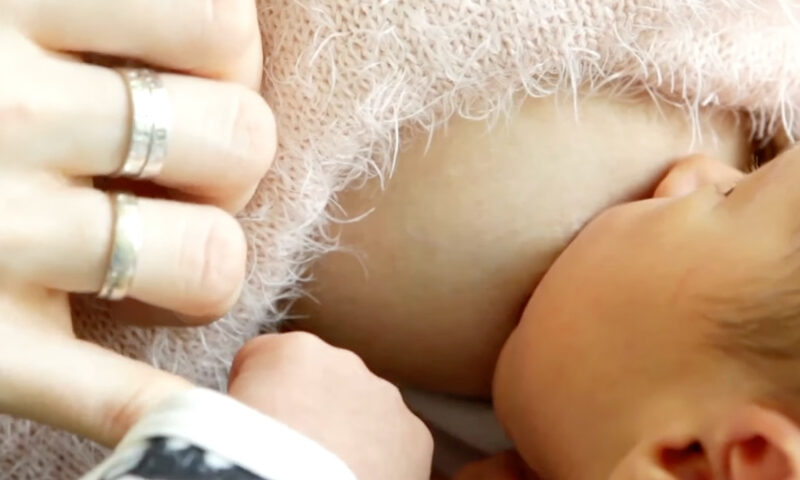
Breastfeeding plays a foundational role in shaping the infant microbiome during a narrow and highly influential developmental window. Human milk is not simply nutrition; it is a biologically active fluid containing complex sugars called human milk oligosaccharides (HMOs), immunoglobulins such as secretory IgA, antimicrobial peptides, cytokines, growth factors, and even live immune cells.

Microbiome and Fertility

How Your Microbiome Affects Fertility

The relationship between the microbiome and fertility has become one of the most intriguing frontiers in reproductive medicine. Far from being passive passengers, the trillions of microorganisms that live in the gut, vagina, and even the endometrium actively shape hormonal balance, immune regulation, and implantation, three pillars of successful conception.

Menopausal Hormone Thrapy

Menopausal Estrogen Therapy Shapes the Brain

Estrogen therapy for menopausal symptoms can influence the brain through powerful epigenetic mechanisms, particularly those that regulate gene expression involved in neuronal survival, metabolism, and inflammation. Because estrogen is a major signaling molecule in the brain, replacing it after menopause may partially restore epigenetic patterns that shift during the menopausal transition.

Natural Selection

Natural Selection: Two-Thirds of All Pregnancies Are lost But D’ont Despair

Don't despair, nature protects you and your child by selecting only the best embryos so that you have the best chance to give birth to a healthy child. This article will explain the natural selective process and its protective function. Perhaps more importantly we will suggest strategies that will help increase your odds of having a healthy child. One Strategy is egg freezing to ensure you have a young healthy egg available if you are not ready to have a child yet but want to keep your options open. The other is IVF where the embryologist selects only the highest quality embryos.

Dysmenhorea

Dysmenorrhea – The Majority of Premenopausal Women Suffer 1 or 2 Days Each Month

Dysmenorrhea is a Greek term for "painful monthly bleeding”. More than half of women who menstruate have some pain for 1 to 2 days each month. Usually, the pain is mild. But for some women, the pain is so severe that it keeps them from engaging in their normal activities for several days each month. Primary dysmenorrhea begins within about 2 years of menarche or once ovulatory cycles have been established. It is more often a diagnosis made in adolescents and young adults.