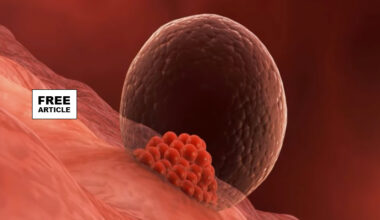
Mitochondria are inherited almost exclusively from the mother through the egg cell. During fertilization, the sperm contributes mainly its nuclear DNA, while its mitochondria, located in the sperm’s tail, either fail to enter the egg or are actively destroyed after entry. As a result, all the mitochondria in an embryo come from the mother’s egg, making mitochondrial DNA (mtDNA) maternally inherited.
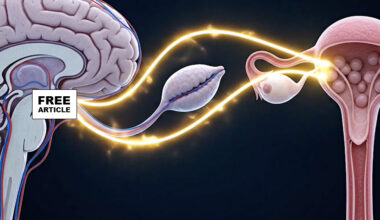
Mitochondrial diseases in women represent a diverse group of inherited and acquired disorders caused by dysfunction of the mitochondria, the cellular organelles responsible for producing energy in the form of ATP, Adenosine Triphosphate. Because mitochondria are especially abundant in energy-demanding tissues, these diseases disproportionately affect organs such as the brain, muscles, heart, endocrine glands, and reproductive system. Many mitochondrial disorders are linked to mutations in mitochondrial DNA (mtDNA), which is inherited exclusively from the mother, meaning women are central to both the manifestation and transmission of these conditions. Female carriers may be asymptomatic or mildly affected, yet still pass severe disease to their children, reflecting the unique phenomenon of heteroplasmy, in which normal and mutated mitochondria coexist within cells and tissues at varying proportions. This variability explains why symptoms can differ dramatically among women, even within the same family and why disease onset may occur in childhood, during reproductive years, or later in life.
In women, mitochondrial diseases often present with a distinctive pattern of multisystem symptoms influenced by hormonal cycles, pregnancy, and aging. Common manifestations include chronic fatigue, exercise intolerance, muscle weakness, migraines, seizures, hearing and vision loss, gastrointestinal dysmotility, cardiomyopathy, and endocrine abnormalities such as diabetes or thyroid dysfunction. Reproductive and gynecologic features are particularly important: women with mitochondrial disease may experience menstrual irregularities, diminished ovarian reserve, premature ovarian insufficiency, infertility, recurrent pregnancy loss, or pregnancy complications such as preeclampsia and fetal growth restriction. Neurologic and neuropsychiatric symptoms, ranging from cognitive difficulties and mood disorders to stroke-like episodes in conditions such as MELAS (Mitochondrial Encephalopathy, Lactic Acidosis, and Stroke-like episodes); may fluctuate with hormonal changes, suggesting a close interaction between estrogen signaling and mitochondrial energy metabolism.
Pregnancy represents a unique physiological stress test for women with mitochondrial disease, as energy demands rise dramatically and mitochondrial dysfunction may worsen. Some women experience disease progression during or after pregnancy, while others remain stable, highlighting the unpredictable nature of these disorders. From a genetic standpoint, affected women face complex reproductive decisions because all offspring inherit their mitochondrial DNA, yet the severity of disease in children cannot be precisely predicted due to heteroplasmy and mitochondrial bottleneck effects during egg development. Advances in reproductive medicine, including preimplantation genetic testing and mitochondrial replacement techniques, have emerged to reduce transmission risk, though they raise ethical and regulatory considerations. Overall, mitochondrial diseases in women are uniquely shaped by maternal inheritance, reproductive biology, and hormonal influences, requiring multidisciplinary care that integrates neurology, cardiology, endocrinology, and reproductive medicine to address both health management and family-planning concerns.