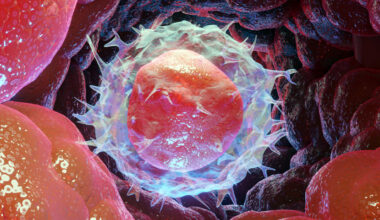
Women have 28 trillion cells all with XX chromosomes; and males have 36 trillion cells with XY chromosomes. The Y chromosome carries genes that are involved in basic cellular functions. In females, most genes on one of the two X chromosomes are silenced in every cell. This inactivation makes each female a functional mosaic because some cells express one X chromosome, and other cells express the other. The advantages of heterozygosity can be amplified by selection against cells in which the active X chromosome carries a detrimental allele.
Some genes on the inactive X chromosome are not silenced, leading to higher levels of their products in female cells. Female cells must have cellular machinery to establish and maintain the inactivation of the X chromosome. These findings argue that there are multiple, ubiquitous differences in the basic cellular biochemistry of males and females that can affect an individual’s health.
AUTOIMMUNE DISEASE
Autoimmune diseases occur more often in females, women account for 80% of all autoimmune diseases, suggesting a key role for the X chromosome. Rheumatoid arthritis, multiple sclerosis and scleroderma are examples of autoimmune disorders marked by lopsided female-to-male ratios. The ratio for lupus is 9 to 1; for Sjogren’s syndrome, it’s 19 to 1. X chromosome inactivation, a major epigenetic feature in female cells that provides dosage compensation of X-linked genes to avoid overexpression, presents special vulnerabilities that can contribute to the disease process. X-chromosome inactivation is achieved via a molecule called Xist.
The gene for Xist is present on all X chromosomes, including the single one in male cells. But Xist is produced only on an X chromosome that is one of a matched XX pair— and is produced and deployed on only one member of that pair. Xist’s nestling into the extra X chromosome generates odd combinations of lncRNA, proteins that bind to it, and the DNA some of those proteins cling to. These complexes can trigger a strong immune response.
THE BRAIN
Males have better motor and spatial abilities, whereas females have superior memory and social cognition skills. Overall, the male brains are structured to facilitate connectivity between perception and coordinated action, whereas female brains are designed to facilitate communication between analytical and intuitive processing modes.
THE HEART
The male heart has greater mass, volume, and cardiac output than the female heart, while the female heart has slightly greater ejection fractions and heart rate. The female and male hearts do not only differ in mass and size but also display a myriad of functional, structural, genetic, and hormonal differences: women have a higher resting heart rate than men, but their hearts take a long time from contraction to relaxation.
In Summary, sexual appearance and possibly function can be altered but the underlying gender remains immutable.