Inverse Vaccines: Tomorrows Therapy for Autoimmune Disease

0 Shares
0
0
0

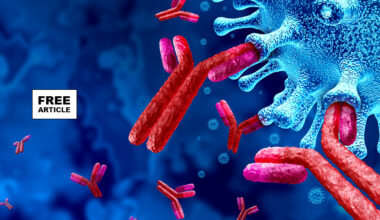
Inverse vaccines represent one of the most innovative emerging strategies in autoimmune disease, especially relevant for women, who are disproportionately affected by conditions like Systemic Lupus Erythematosus, Rheumatoid Arthritis, and Multiple Sclerosis. Unlike traditional vaccines, which stimulate the immune system to recognize and attack foreign pathogens, inverse vaccines are designed to do the opposite: they selectively retrain the immune system to tolerate the body’s own tissues by targeting the specific autoantigens that trigger disease. Mechanistically, these therapies exploit the biology of immune tolerance by delivering disease-associated antigens in a context that promotes immune “silencing” rather than activation, often by engaging tolerogenic antigen-presenting cells such as dendritic cells. This process encourages the expansion of regulatory T cells and the suppression or deletion of autoreactive T cells, effectively turning off the pathological immune response without broadly compromising immune defenses. Early clinical studies, particularly in conditions like Celiac Disease and Type 1 Diabetes, have demonstrated that inverse vaccines can reduce inflammatory responses and preserve tissue function with a high degree of specificity.

Inverse vaccines are designed to selectively suppress harmful immune responses rather than stimulate them, making them especially promising for treating autoimmune diseases such as multiple sclerosis or type 1 diabetes. Their mechanism of action centers on inducing immune tolerance to specific self-antigens. Typically, these vaccines deliver disease-relevant antigens in a context that does not activate inflammation, for example, by coupling the antigen to nanoparticles, apoptotic cells, or tolerogenic carriers. These formulations are preferentially taken up by antigen-presenting cells like dendritic cells in a non-inflammatory state, which then present the antigen to T cells without the necessary co-stimulatory signals. As a result, autoreactive T cells are either deleted (clonal deletion), rendered inactive (anergy), or converted into regulatory T cells that actively suppress immune responses. This process mimics natural peripheral tolerance mechanisms and reduces pathological immune activity without broadly compromising the entire immune system, distinguishing inverse vaccines from traditional immunosuppressive therapies.

In women, the implications are especially significant because autoimmune diseases are often driven by complex interactions between hormonal fluctuations, X chromosome–linked immune regulation, and heightened immune reactivity. Inverse vaccines offer a way to precisely interrupt these disease-specific immune pathways without interfering with normal immune surveillance, which is particularly important given women’s higher baseline immune responsiveness. Additionally, these therapies may be tailored to different stages of a woman’s life, such as postpartum immune shifts or perimenopausal transitions, when autoimmune diseases often flare or emerge. Another key advantage is the potential to intervene early in the disease process, or even in high-risk individuals identified through genetic or biomarker screening, thereby preventing irreversible tissue damage. While still largely in experimental and early clinical phases, inverse vaccines are widely viewed as a potential “functional cure” approach, shifting the paradigm from chronic immunosuppression to precise immune re-education, with the promise of long-term remission and fewer systemic side effects.

0 Shares
Leave a Reply

Your email address will not be published. Required fields are marked *

You May Also Like
Autoimmune Diseases in Women

Autoimmune DisordersWhy Do Autoimmune Diseases Disproportionately Affect Women?

Autoimmune diseases are the third most prevalent disease category, outpaced only by cancer and heart disease. Autoimmune diseases occur when the immune system, which typically defends the body against harmful invaders like bacteria and viruses, begins to attack healthy tissues causing inflammation and damage. These disorders disproportionately affect women, with approximately 80% of all autoimmune disease patients being women. Understanding why these diseases occur more frequently in women, their implications, and how they can be managed is a crucial area of study in modern medical science.

Neurogenerative DisordersAre Estrogens Neuroprotective – Do they Slow or Prevent Alzheimers?

Estrogens are pivotal regulators of brain function, exerting profound effects from early embryonic development to aging. Extensive experimental evidence underscores the multifaceted protective roles of estrogens on neurons and neurotransmitter systems, particularly in the context of Alzheimer’s Disease (AD). Studies have consistently revealed a greater risk of Alzheimer’s Disease (AD) development in women compared to men, with postmenopausal women exhibiting heightened susceptibility. This connection between hormone levels and long-term estrogen deprivation highlights the significance of estrogen signaling in Alzheimer’s Disease (AD) progression.

FertilityStudy Finds Simple Maternal Biomarker Test Reduces Neonatal Complications

Preterm birth is defined as any birth that occurs before 37 weeks of gestation and is the leading cause of illness and death among newborns. The 2023 March of Dimes Report Card reveals that more than one in ten infants were born prematurely in the United States in the past five consecutive years and for the third consecutive year, the March of Dimes Annual Report Card has given the United States a D+ for the country’s persistently high preterm birth rate.
Femtech

Free ArticlesFemtech, the Future of Women’s Healthcare

FemTech, short for female technology, refers to software and services that utilize technology to address women's health needs. The emergence of women’s health technologies, or ‘FemTech’, is a significant advancement in women’s healthcare and reproductive rights. These rights, which include the right to abortion, contraception, and equitable fertility treatment, are essential to guaranteeing women’s bodily autonomy and human dignity. The FemTech industry promises to empower women by offering them tools to better understand and manage their reproductive health through a solid empowerment narrative. While offering potential for improved access to healthcare and personalized solutions, FemTech also faces challenges related to data privacy, regulatory issues, and the need for more robust scientific evidence. 
Cardiovascular Disease in Women

Cardiovascular DiseaseCardiovascular Disease in Women Under-Diagnosed and Undertreated

Cardiovascular disease (CVD) affects 6.6 million women in the United States annually and is the leading source of morbidity and mortality among women. Among women diagnosed with cardiovascular disease, 2.7 million have a history of MI - Myocardial Infarction (heart attack). Each year more than 53,000 women die of a heart attacks and 262,000 are hospitalized because of CVD. One in 4 female patients presenting with a first myocardial infarction will die.