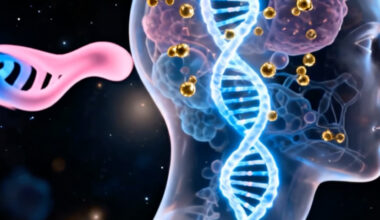
The relationship between the microbiome and fertility has become one of the most intriguing frontiers in reproductive medicine. Far from being passive passengers, the trillions of microorganisms that live in the gut, vagina, and even the endometrium actively shape hormonal balance, immune regulation, and implantation, three pillars of successful conception.
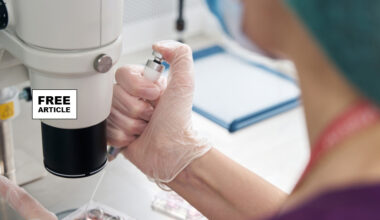
In women, the vaginal microbiome plays a particularly critical role. A healthy vaginal environment is typically dominated by Lactobacillus species, specifically Lactobacillus crispatus which produces lactic acid and maintain a low pH. This acidic environment protects against pathogenic bacteria and inflammation. When this balance shifts, a condition known as dysbiosis, there is an increased risk of bacterial vaginosis, pelvic inflammation, and possibly reduced implantation rates during both natural conception and assisted reproductive technologies such as In Vitro Fertilization. Emerging studies suggest that women undergoing IVF with Lactobacillus-dominant microbiota may have higher implantation and live birth rates compared to those with more diverse, inflammation-associated microbial profiles.
The gut microbiome is equally important because of its direct influence on estrogen metabolism. Certain gut bacteria produce enzymes such as beta-glucuronidase that regulate how estrogen is recycled in the body; a system sometimes referred to as the “estrobolome.” When gut microbial balance is disrupted, estrogen levels may fluctuate in ways that affect ovulation, endometrial receptivity, and conditions such as Polycystic Ovary Syndrome and Endometriosis. Both disorders have been linked in research to altered gut microbial diversity and increased systemic inflammation.
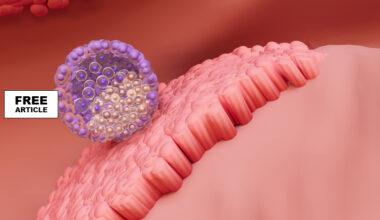
There is also growing interest in the endometrial microbiome; the microbial environment inside the uterus. Historically thought to be sterile, the uterus appears to host low levels of bacteria that may influence implantation. Preliminary data suggest that non–Lactobacillus-dominant endometrial microbiota may correlate with recurrent implantation failure, though this remains an evolving area of research.
Metabolic health further connects the microbiome to fertility. Insulin resistance, obesity, and chronic inflammation, each influenced by gut bacteria, can impair ovulation and egg quality. Dietary interventions rich in fiber, polyphenols, and fermented foods may support microbial diversity, reduce inflammation, and improve metabolic signaling pathways that affect reproductive hormones.
While microbiome testing and probiotic supplementation are increasingly marketed to women trying to conceive, clinical guidelines are still developing. The science is promising but not yet definitive. For women navigating fertility decisions, the key takeaway is this: reproductive health is not confined to the ovaries or uterus. It is deeply interconnected with the microbial ecosystems that regulate immunity, metabolism, and hormone balance throughout the body.
In the coming years, microbiome modulation, through diet, targeted probiotics, or even microbiota transplantation, may become a standard adjunct in fertility care. For now, optimizing gut health through evidence-based lifestyle strategies remains a biologically plausible and low-risk way to support overall reproductive function.