Diet and nutrition play a foundational role in human health, influencing metabolism, immune function, hormone regulation, inflammation, and the gut microbiome. At the same time, there is widespread confusion about what diet can and cannot do. While nutrition is a powerful modifier of disease risk and progression, it is rarely a cure in itself. Scientific evidence consistently shows that diet shapes the likelihood of developing certain diseases and can meaningfully improve outcomes once disease is present, but claims that diet alone can cure complex illnesses such as cancer are not supported by rigorous research. Understanding this distinction is essential for separating evidence-based nutrition science from misinformation.
The strongest evidence linking diet to disease exists in the prevention and management of cardiometabolic conditions, particularly cardiovascular disease and type 2 diabetes. Decades of epidemiological studies, randomized controlled trials, and mechanistic research demonstrate that dietary patterns influence blood pressure, lipid levels, insulin sensitivity, and systemic inflammation, all of which are central to heart disease and diabetes risk. Diets high in whole grains, fruits, vegetables, legumes, and unsaturated fats are consistently associated with lower risk, while diets rich in refined carbohydrates, processed meats, and ultra-processed foods are associated with higher risk. In people with type 2 diabetes, structured dietary interventions, especially when paired with weight loss, can dramatically improve glycemic control and, in some cases, lead to remission. Importantly, these improvements typically require sustained lifestyle changes; they do not imply that diabetes is permanently cured or that diet alone reverses the underlying metabolic vulnerability.
The relationship between diet and cancer is more complex and often misunderstood. Large population studies suggest that dietary patterns influence cancer risk, but the effects are generally modest and highly dependent on cancer type, genetics, body fatness, alcohol use, smoking, and environmental exposures. Diets rich in plant-based foods are associated with a lower incidence of certain cancers, particularly those of the digestive tract, while high consumption of ultra-processed foods and processed meats has been linked to increased risk. However, no high-quality clinical evidence shows that any diet can treat or cure established cancer. Major oncology organizations emphasize that dietary interventions should be supportive, helping patients maintain strength, tolerate treatment, and reduce complications, but should never replace evidence-based cancer therapies.
Rather than focusing on individual foods or nutrients, modern nutrition science emphasizes overall dietary patterns. The Mediterranean diet, characterized by high intake of fruits, vegetables, whole grains, legumes, nuts, olive oil, and moderate consumption of fish, is one of the most well-studied patterns and is associated with reduced cardiovascular events, improved insulin sensitivity, lower inflammation, and modest reductions in overall mortality. Similarly, whole-food, plant-forward diets that minimize ultra-processed foods are linked to better metabolic health and lower risk of multiple chronic diseases. These benefits arise from the combined effects of fiber, micronutrients, phytochemicals, and favorable fatty acid profiles rather than from any single “superfood.”
Certain conditions clearly benefit from dietary management even if diet is not curative. Type 2 diabetes is a prime example, as dietary strategies that stabilize blood glucose and improve insulin sensitivity can reduce complications and medication needs. Polycystic ovary syndrome is another condition where diet plays a supportive but important role. PCOS is frequently associated with insulin resistance and hormonal dysregulation, and dietary patterns that reduce glycemic load and improve metabolic health can alleviate symptoms, improve menstrual regularity, and enhance quality of life. Nonetheless, PCOS is a complex endocrine condition, and diet is best understood as one component of a broader treatment approach rather than a standalone solution.
Vitamins and minerals play an essential role in health by acting as cofactors in enzymatic reactions, supporting immune function, maintaining bone integrity, enabling oxygen transport, and regulating neurological processes. Clear deficiency states, such as iron deficiency anemia, vitamin D deficiency–related bone disease, iodine deficiency–related thyroid dysfunction, or vitamin B12 deficiency–related neurological impairment, demonstrate unequivocally that adequate micronutrient intake is necessary for normal physiological function. In these cases, targeted supplementation can be therapeutic and, in some instances, lifesaving. However, outside of deficiency or increased physiological need, supplementation has not consistently been shown to prevent or cure chronic diseases.
Large randomized controlled trials evaluating vitamin and mineral supplementation in generally well-nourished populations have repeatedly shown neutral or mixed results. For example, routine supplementation with vitamins A, C, E, or beta-carotene has not been shown to reduce cancer or cardiovascular disease risk, and in some cases high-dose supplementation has been associated with harm. Similarly, calcium and vitamin D supplementation have modest, context-dependent effects on bone health but do not eliminate fracture risk or reverse osteoporosis on their own. These findings reinforce the principle that micronutrients are necessary for health, but more is not inherently better, and isolated nutrients cannot substitute for the complex benefits of whole dietary patterns.
Dietary supplements beyond vitamins and minerals; including herbal products, antioxidants, probiotics, and so-called “metabolic” or “immune-boosting” compounds, are an area of both scientific interest and widespread misinformation. While some supplements have evidence supporting specific, narrow uses, most claims far exceed what the data support. Omega-3 fatty acids, for example, can modestly lower triglycerides and may benefit certain cardiovascular populations, but they do not prevent heart disease in all individuals. Probiotics may help with specific gastrointestinal conditions, yet their effects are strain-specific and not universally applicable. Claims that supplements can detoxify the body, cure cancer, reset hormones, or dramatically alter disease trajectories are not supported by high-quality clinical trials.
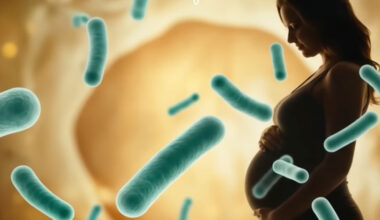
However, there is strong scientific evidence that specific organisms play an important role in human physiology and probiotic supplementation to reinforce nature can make a dramatic difference. For example: Lactobacillus crispatus is widely regarded as one of the most protective and biologically important bacterial species in the female reproductive tract, particularly in the vagina, where it plays a central role in maintaining reproductive health. Among vaginal Lactobacillus species, L. crispatus is most strongly associated with a stable, low-diversity microbiome dominated by lactic acid–producing bacteria, a state consistently linked to reduced inflammation, lower pathogen burden, and improved pregnancy outcomes. Its presence is increasingly recognized as a key biological factor in reducing the risk of preterm birth and in shaping uterine and endometrial environments that are permissive to successful implantation.
In the context of preterm birth, L. crispatus contributes to protection primarily through its ability to maintain a low vaginal pH and suppress pathogenic and pro-inflammatory microbes. By producing high levels of lactic acid, particularly the D-lactic acid isomer, L. crispatus creates an acidic environment that inhibits the growth of organisms associated with bacterial vaginosis and ascending intrauterine infection, both of which are well-established risk factors for spontaneous preterm labor. Unlike more diverse or dysbiotic vaginal microbiomes, which are often enriched in anaerobic bacteria that produce inflammatory metabolites, L. crispatus–dominant communities are associated with reduced vaginal cytokine levels and lower activation of innate immune pathways. This reduced inflammatory tone is critical, as inflammation-driven cervical remodeling, membrane weakening, and uterine contractility are key biological mechanisms leading to preterm birth.
The influence of L. crispatus may extend beyond the vagina to the upper reproductive tract, with important implications for implantation and early pregnancy. Although the uterus and endometrium harbor a much lower microbial biomass than the vagina, emerging evidence suggests that microbial signals from the lower tract can influence the uterine environment through ascending pathways or immune signaling. A vaginal microbiome dominated by L. crispatus is associated with reduced endometrial inflammation and a uterine immune profile that supports implantation, characterized by appropriate regulation of uterine natural killer cells, macrophages, and cytokines involved in endometrial receptivity. In contrast, dysbiotic vaginal microbiomes are associated with inflammatory endometrial signatures that may impair implantation or early placentation.
Importantly, L. crispatus differs functionally from other Lactobacillus species commonly found in the vagina, such as L. iners. While L. iners is often present in transitional or unstable microbiomes and may coexist with dysbiosis, L. crispatus is strongly associated with a mature, protective vaginal state. Its metabolic profile, antimicrobial peptide production, and ability to adhere to vaginal epithelial cells make it particularly effective at excluding harmful microbes and maintaining immune homeostasis. These properties likely explain why L. crispatus dominance is more consistently linked to favorable reproductive outcomes than lactobacilli presence alone.
It is also important to recognize that supplements are not regulated to the same standard as medications in many countries, and product quality, dosage accuracy, and contamination can vary widely. High doses of certain vitamins and minerals can interact with medications or cause toxicity, particularly fat-soluble vitamins and minerals such as iron or selenium. For this reason, supplementation is best guided by evidence, clinical context, and, when appropriate, laboratory confirmation of deficiency rather than generalized or preventive use in healthy individuals.
Equally important is recognizing where diet and supplements do not function as cures. There is no credible evidence that dietary changes or supplements alone can cure cancer, autoimmune diseases, genetic disorders, or infectious diseases. Claims that specific diets, vitamin regimens, or supplement protocols can eliminate these conditions are not supported by controlled clinical trials and can be harmful if they delay or replace proven medical treatments. In these contexts, nutrition and supplementation serve a complementary role, supporting overall health, reducing treatment side effects, and correcting deficiencies, but do not replace disease-specific therapies.
Misconceptions about diet and supplements as cures persist for several reasons. Observational studies showing associations are often misinterpreted as proof of causation, and early laboratory or animal findings are frequently overstated before being confirmed in humans. Anecdotes and personal success stories, while compelling, do not substitute for controlled evidence. In addition, commercial interests and social media narratives often promote simplified or exaggerated claims that resonate emotionally but ignore scientific nuance. This leads to confusion between preventing disease, managing symptoms, and curing established illness.
In summary, diet is one of the most powerful tools available for preventing chronic disease and improving health outcomes, particularly for cardiovascular disease, type 2 diabetes, and metabolic disorders linked to insulin resistance. Vitamins and minerals are essential for normal physiology, and supplementation is clearly beneficial in cases of deficiency or specific clinical need. However, neither diet nor supplements function as universal cures. The most accurate, evidence-based view is that nutrition and supplementation are critical pillars of health that work best when integrated with medical care, physical activity, and other lifestyle and therapeutic interventions, rather than being positioned as replacements for them.