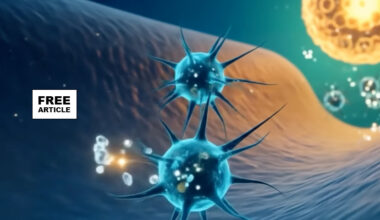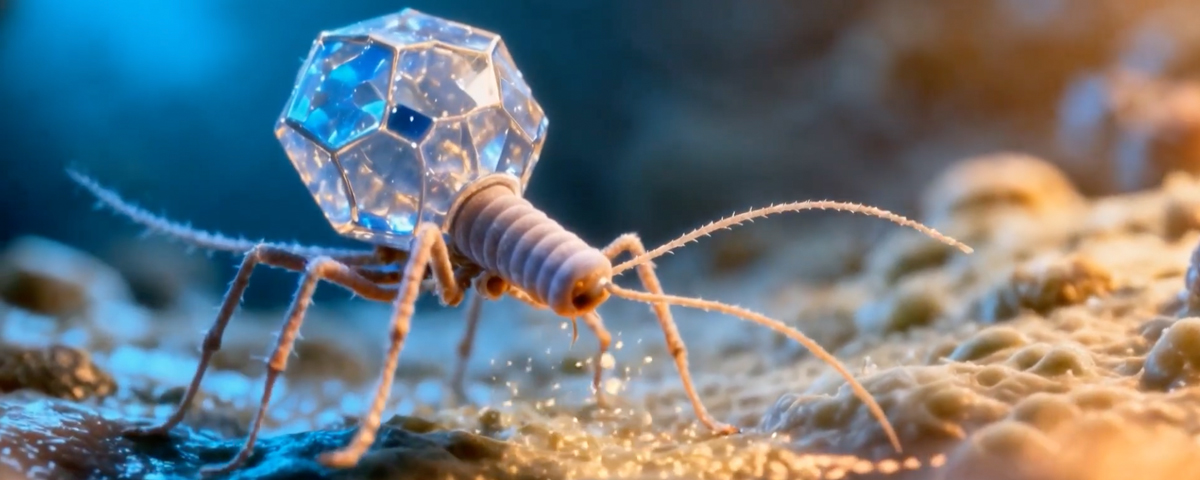
Bacteriophages, or phages, are viruses that specifically infect and destroy bacteria, presenting a potential solution for treating antibiotic-resistant infections. These microscopic entities operate by attaching to bacterial cells, injecting their genetic material, and using the host’s machinery to replicate. This process culminates in the lysis, or bursting, of the bacterial cell, releasing new phages to continue the cycle. Phages are highly specific, typically targeting only specific strains of bacteria, which minimizes collateral damage to beneficial microbiota and reduces the likelihood of disrupting the body’s natural flora—an advantage over broad-spectrum antibiotics.
In clinical practice, phage therapy involves selecting or engineering phages that are effective against the resistant bacterial strains infecting the patient. These phages can be applied topically, orally, or intravenously, depending on the infection site. Researchers are developing cocktails of multiple phage types to broaden the spectrum of activity and prevent bacterial resistance to the phages themselves. Phage therapy also benefits from its ability to be rapidly adapted to combat emerging resistant strains.
Researchers have engineered entirely synthetic viruses that can invade bacteria and could offer new pathways to fight infection. Manipulating the genetic code of these mycobacteriophages by removing undesirable genes and adding helpful genetic payloads could provide new ways of treating antibiotic-resistant infections. By adding or subtracting genes, researchers can understand the genetics of these ancient viruses as never before and tailor their genomes to invade specific bacterial hosts
In the face of rising antibiotic resistance, phage therapy offers a promising alternative or complement to antibiotics, especially for stubborn infections caused by multidrug-resistant strains like MRSA or Pseudomonas aeruginosa. Researchers are exploring genetically engineered phages and phage cocktails that can broaden the range of effectiveness by overcoming bacterial defenses and mutations. Furthermore, phages can be harnessed to deliver antibacterial genes or enzymes directly to the bacteria, enhancing antibacterial efficacy. Despite these advantages, challenges remain, such as ensuring the stability and delivery of phages in the human body, potential immune reactions, and regulatory hurdles. Nevertheless, as antibiotic resistance becomes a global crisis, the precision and adaptability of phage therapy continue to drive research into its development as a viable therapeutic option.