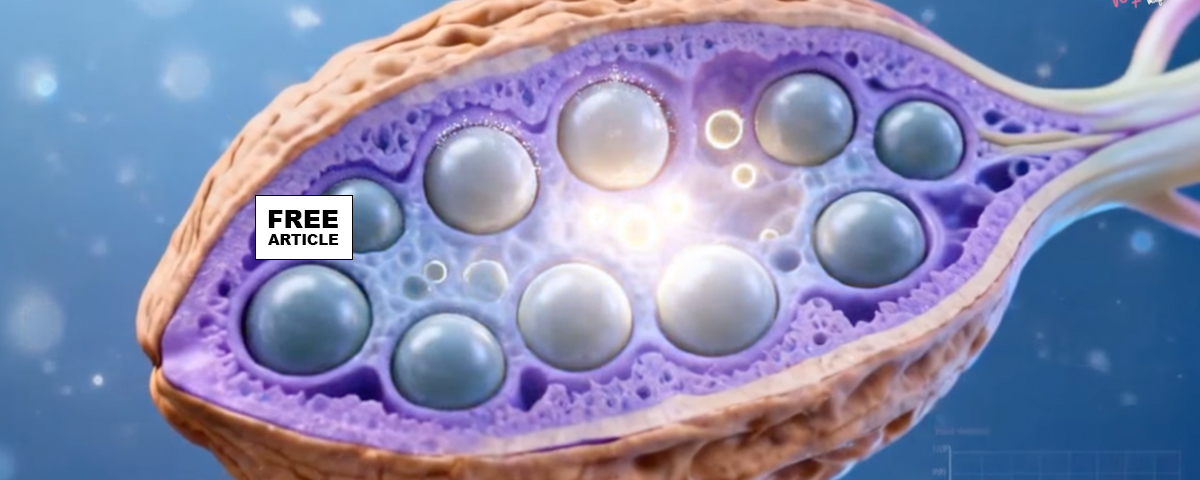
Oral contraceptives are highly effective in preventing pregnancy when taken consistently and correctly, boasting a success rate of over 99%. These contraceptives typically combine synthetic forms of estrogen and progestin, which work synergistically to inhibit ovulation by suppressing the release of follicle-stimulating hormone (FSH) and luteinizing hormone (LH) from the pituitary gland. Additionally, oral contraceptives thicken cervical mucus, creating a barrier to sperm entry, and alter the endometrial lining, making it less receptive to a fertilized egg.
Oral contraceptives play a significant role in regulating the menstrual cycle by delivering a consistent dose of synthetic hormones, typically estrogen and progestin, which stabilize endogenous hormone levels and prevent the fluctuations that trigger ovulation and menstrual irregularities. By providing steady hormone levels, oral contraceptives suppress the surge of follicle-stimulating hormone (FSH) and luteinizing hormone (LH) from the pituitary gland, effectively preventing ovulation. This hormonal stability leads to more predictable and regular menstrual cycles, which can be particularly beneficial for individuals experiencing irregular or heavy periods. The progestin component helps manage the endometrial lining, ensuring it remains thin and orderly, reducing the risk of breakthrough bleeding and excessively heavy menstruation. Additionally, oral contraceptives can alleviate menstrual symptoms like cramps and pain by minimizing uterine contractions and associated inflammatory mediators.
Long-term use of oral contraceptives is associated with a decreased risk of several gynecologic cancers, particularly ovarian and endometrial cancers. The protective effect is primarily attributed to the suppression of ovulation and the stabilization of hormonal fluctuations. Additionally, the progestin component, counteracts the proliferative effects of estrogen on the ovarian and tubal epithelium. There is approximately a 50% reduction in ovarian cancer after five years of use. Regarding endometrial cancer, the progestin component of oral contraceptives plays a vital role by keeping the endometrial lining thin and less proliferative, countering the effects of unopposed estrogen that could lead to hyperplasia and malignancy. There is approximately a 70% reduction in risk of endometrial cancer with long term use of an oral contraceptive.
Oral contraceptives also play a significant role in reducing the risk of several non-malignant gynecologic disorders, including ovarian cysts, fibrocystic breast disease, and ectopic pregnancy. Ovarian cysts, especially functional cysts like follicular or luteal cysts, are suppressed by oral contraceptives because they block ovulation and maintain steady hormone levels, preventing the cyclical follicular development that leads to cyst formation. This hormonal regulation minimizes the formation of new ovarian cysts and helps existing cysts resolve more quickly. In the case of fibrocystic breast disease, which involves benign breast tissue changes that often cause pain and lumpiness, oral contraceptives help balance hormonal fluctuations, particularly by stabilizing estrogen and progestin levels. This regulation reduces the hormonal-driven proliferation of breast tissue and alleviates symptoms. By maintaining regular menstrual cycles and lessening the likelihood of ovulation, contraceptives decrease the incidence of abnormal implantation, including in the fallopian tubes.
Oral contraceptives play a key role in alleviating symptoms of premenstrual syndrome (PMS) and premenstrual dysphoric disorder (PMDD) by stabilizing hormonal fluctuations that occur during the menstrual cycle. These syndromes are often driven by dramatic swings in estrogen and progesterone levels before menstruation, which can trigger emotional, physical, and behavioral symptoms such as irritability, mood swings, breast tenderness, bloating, and fatigue. By providing a consistent supply of hormones, combination oral contraceptives regulate the hormonal cycle, preventing the sharp decline in progesterone and estrogen that typically triggers PMS and PMDD symptoms. This hormonal stabilization reduces the severity and frequency of symptoms, especially mood disturbances, irritability, and physical discomfort. Additionally, some formulations contain progestins with mood-stabilizing properties that further help alleviate emotional symptoms. For women with severe PMS or PMDD, oral contraceptives are often considered a first-line therapy because they not only lessen symptoms but also improve overall quality of life. The effectiveness of systemic hormonal regulation underscores the importance of controlling hormonal swings in managing these cycle-related disorders.
Combined oral contraceptives, estrogen and progestin, also suppress androgen production, reducing acne, hirsutism and oily skin. Additionally, fertility occurs quickly after discontinuation. Ovulation usually resumes one to three months after stopping the pill.
While oral contraceptives are widely used and effective for preventing pregnancy and managing various gynecological conditions, they do carry several potential downsides and risks. Some women may experience side effects such as nausea, breast tenderness, weight gain, headaches, or mood changes. There is also a small increased risk of blood clots, especially in women who smoke, are overweight, or have other risk factors for thrombosis, which can lead to deep vein thrombosis or pulmonary embolism. Additionally, oral contraceptives may increase blood pressure in some women and can slightly elevate the risk of stroke. They do not protect against sexually transmitted infections, so additional means of protection are necessary. Some women may experience breakthrough bleeding or irregular menstrual patterns, which can be bothersome.