Pregnant women are more vulnerable to infections and tend to experience more severe symptoms due to several physiological and immunological changes that occur during pregnancy. The immune system undergoes modifications to accommodate and protect the developing fetus, which is genetically distinct from the mother. This immunological adaptation involves a shift away from cell-mediated immunity towards a more anti-inflammatory state, which helps prevent the maternal immune system from rejecting the fetus. As a result, pregnant women may have a reduced ability to mount an effective defense against infections, making them more susceptible to pathogens.
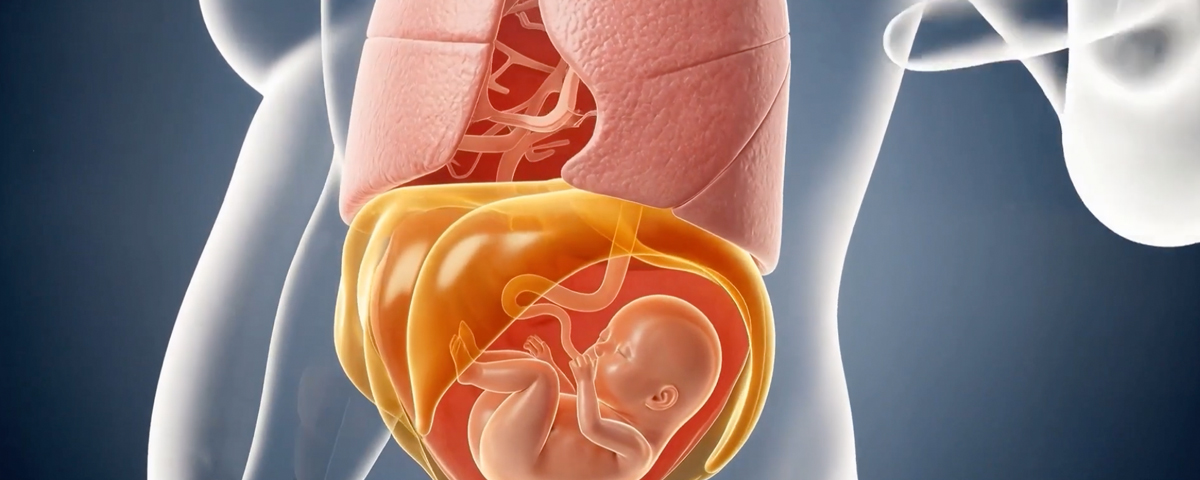
Additionally, pregnancy involves significant hormonal changes, increased blood flow, and elevated metabolic demands, all of which can influence the body’s response to infections. The respiratory and cardiovascular systems also undergo adaptations; for instance, lung capacity is reduced as the growing uterus presses against the diaphragm, and there is increased cardiac output and blood volume. These changes can exacerbate respiratory infections, such as influenza or COVID-19, making them more severe. Moreover, infections during pregnancy can have amplified effects, potentially impacting placental function and fetal development. These factors combined create a scenario where infections are not only more likely but can also lead to more serious health implications for both the mother and the fetus, underscoring the importance of preventive measures and careful monitoring during pregnancy.
COVID-19 impacts pregnant women uniquely, increasing their risk of severe illness compared to non-pregnant individuals. Physiological changes during pregnancy, such as altered immune response and increased cardiac output, can exacerbate the effects of respiratory infections like COVID-19. Pregnant women with COVID-19 are more likely to experience complications, including preterm birth, preeclampsia, and increased likelihood of intensive care unit admission. The virus can also affect placental function, potentially impacting fetal health.
The rationale for pregnant women receiving the COVID-19 vaccine is grounded in these elevated risks. Vaccination provides significant protection against severe COVID-19, reducing the risk of hospitalization and severe complications for both the mother and the baby. The vaccines have been shown to be safe for pregnant individuals, with major health organizations, like the CDC and WHO, recommending vaccination during pregnancy. Additionally, maternal antibodies generated in response to the vaccine can cross the placenta, potentially offering the newborn some level of protection against COVID-19. The benefits of vaccination, including reduced risk of severe disease and contribution to community immunity, outweigh the potential risks, making it a crucial preventive measure for pregnant women.
Pregnant women are advised to receive certain vaccines to protect both their health and that of their developing baby. The influenza vaccine is crucial, as pregnant women are at increased risk of severe illness from the flu, which can also lead to complications such as preterm birth. The flu vaccine, typically administered as an inactivated injection, is safe at any stage of pregnancy. Another important vaccine is the Tdap (tetanus, diphtheria, and acellular pertussis), recommended during each pregnancy, ideally between 27 and 36 weeks of gestation. The Tdap vaccine helps protect the newborn from pertussis, or whooping cough, by allowing maternal antibodies to cross the placenta and provide early postnatal protection. Additionally, the COVID-19 vaccine is recommended for pregnant women, as they are at increased risk for severe illness from the virus, which can also affect pregnancy outcomes. The COVID-19 vaccine helps reduce the risk of severe disease and may provide some level of immunity to the newborn. These vaccines are part of a preventive care strategy to safeguard the health of both the mother and the baby, leveraging the transfer of maternal antibodies to provide passive immunity to the newborn during the early months of life.