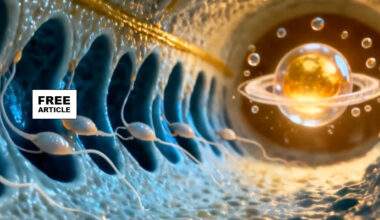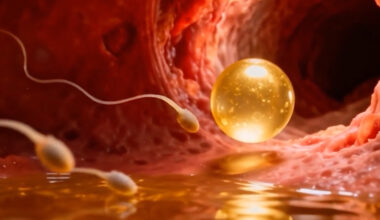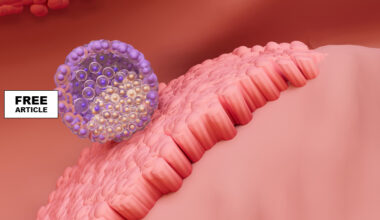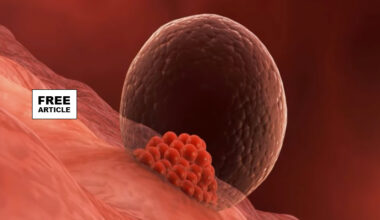
In vitro fertilization (IVF) is an assisted reproductive technology (ART) designed to help individuals and couples achieve pregnancy. The process involves several meticulously coordinated steps to facilitate fertilization outside the body. It begins with ovarian stimulation, where fertility medications such as FSH are administered to encourage the ovaries to produce multiple mature eggs instead of the usual single egg per cycle. Monitoring through ultrasounds and hormone tests ensures optimal timing for egg retrieval, a minor surgical procedure performed under sedation, where a needle is guided through the vaginal wall to collect the eggs from ovarian follicles. Concurrently, a sperm sample is obtained from the male partner or a donor and prepared by washing and concentrating the healthiest sperm. In the laboratory, the retrieved eggs are combined with the sperm either through conventional mixing or via intracytoplasmic sperm injection (ICSI), where a single sperm is injected directly into an egg when sperm quality is an issue. Fertilized eggs are cultivated in an incubator, developing into embryos over several days. Embryo quality is assessed, and one or more embryos are selected for transfer into the woman’s uterus, a procedure that involves inserting a catheter through the cervix. Any remaining viable embryos can be cryopreserved for future use. Following the embryo transfer, a waiting period ensues, after which a pregnancy test determines the success of the cycle. IVF offers hope to those facing various infertility challenges, including fallopian tube damage, male factor infertility, or unexplained infertility, and can be tailored with additional techniques such as preimplantation genetic testing to enhance success rates.
Preimplantation Genetic Testing (PGT) has been used in various forms over the last two decades. Preimplantation Genetic Testing PGT involves testing early embryos following in vitro fertilization, IVF, and has now become an accepted part of genetic testing. Today, PGT serves as a resource for couples who have a family history of monogenic (single gene) disorders, wherein the fetus is at high risk of inheriting the condition. PGT is also used to improve pregnancy outcomes in IVF patients in cases of recurrent IVF implantation failure, recurrent miscarriages, as well as male factor infertility. It is also used in screening for sex-linked disorders and sourcing stem cells for therapy. The latest Preimplantation Genetic Test is Polygenic Embryo Screening (PES), which allows the identification of embryos that are at elevated risk for significant diseases in adulthood, such as coronary artery disease (CAD), diabetes, hypertension, and breast cancer.
In the journey of assisted reproductive technology (ART), in-vitro fertilization (IVF) has emerged as a transformative solution for individuals and couples striving to achieve parenthood. Among the various techniques in IVF, Frozen Embryo Transfer (FET) has gained remarkable prominence. Frozen Embryo Transfer, involves the cryopreservation of embryos and their subsequent thawing and transfer during a later menstrual cycle. Over the years, Frozen Embryo Transfer has demonstrated significant advantages, particularly in yielding higher implantation and pregnancy rates as compared to fresh embryo transfers.
Cryopreservation involves freezing embryos at sub-zero temperatures using vitrification—a rapid freezing technique that reduces the risk of ice crystal formation, which can damage the embryo’s cellular structure. The embryos remain in suspended animation until the woman is ready for the transfer. Vitrification has significantly improved Frozen Embryo Transfer outcomes by maintaining high survival rates for thawed embryos.
In traditional fresh embryo transfer, embryos are transferred during the same cycle in which ovarian stimulation and egg retrieval are performed. However, ovarian stimulation can significantly alter the uterine lining, the endometrium, potentially reducing its receptivity to an embryo. Frozen Embryo Transfer offers a solution by allowing the body to recover from the hormonal impact of stimulation, thus creating a more natural and favorable uterine environment for implantation.
Several studies and clinical trials have demonstrated that Frozen Embryo Transfer results in higher implantation and pregnancy rates compared to fresh transfers. A key reason for higher implantation rates in Frozen Embryo Transfer cycles is the improved receptivity of the uterine lining. Hormonal stimulation during fresh IVF cycles can disrupt the natural synchronization between the embryo and the endometrium. In contrast, during Frozen Embryo Transfer cycles, the uterus is often in a more natural state, free from the hormonal disturbances caused by ovarian stimulation.
Advances in vitrification have contributed to the high survival rates of frozen embryos post-thawing. Research suggests that embryos that survive the freezing and thawing process are often robust and possess greater developmental potential. This resilience translates into higher implantation success.
Ovarian Hyperstimulation Syndrome OHSS is a potential risk during IVF treatments, particularly in cases of fresh transfer cycles. By opting for Frozen Embryo Transfer, patients can minimize the risk of OHSS, as the transfer occurs in a cycle separate from ovarian stimulation. Frozen Embryo Transfer also allows clinicians to better control the timing of the embryo transfer, ensuring that the uterine lining is optimally prepared and synchronized for implantation. This precision is especially advantageous for patients with irregular cycles or other complications. Additionally, Frozen Embryo Transfer has been linked to a reduced likelihood of multiple births. By transferring embryos in a more controlled and strategic manner, clinicians can encourage single embryo transfers, thereby reducing the risks associated with twins or higher-order pregnancies.
Frozen Embryo Transfer has also shown promising results for patients with specific conditions, such as polycystic ovary syndrome (PCOS), where ovarian stimulation may adversely affect fresh transfer outcomes. Similarly, for patients undergoing preimplantation genetic testing, Frozen Embryo Transfer provides an optimal solution by allowing time for genetic analysis without rushing the transfer process.