Non-IVF fertility treatments include lifestyle changes, medications to stimulate ovulation (like Clomid), intrauterine insemination (IUI), and less common approaches like restorative reproductive medicine. Treatment choices depend on the cause of infertility, with methods like ovulation induction or IUI being less invasive and costly than IVF but having lower success rates.
Ovulation induction is a fertility treatment designed to stimulate the ovaries to produce and release one or more mature eggs, increasing the chances of conception. This process is particularly useful for women who have irregular or absent ovulation, often due to conditions like polycystic ovary syndrome (PCOS) or hypothalamic amenorrhea. The treatment typically involves the administration of medications that regulate or mimic natural hormones. Clomiphene citrate is a common oral medication used, which works by blocking estrogen receptors in the brain, prompting the pituitary gland to secrete higher levels of follicle-stimulating hormone (FSH) and luteinizing hormone (LH). These hormones stimulate the growth of ovarian follicles and trigger ovulation. Alternatively, aromatase inhibitors like letrozole reduce estrogen production, leading to a similar increase in FSH. In cases where these medications are ineffective, injectable gonadotropins, containing FSH or a combination of FSH and LH, may be used to directly stimulate the ovaries. Throughout the ovulation induction process, careful monitoring with ultrasound and blood tests is essential to track follicle development and prevent complications such as ovarian hyperstimulation syndrome (OHSS). Ovulation induction, often combined with timed intercourse or intrauterine insemination (IUI), enhances the likelihood of achieving pregnancy by ensuring that ovulation occurs in a predictable and controlled manner.
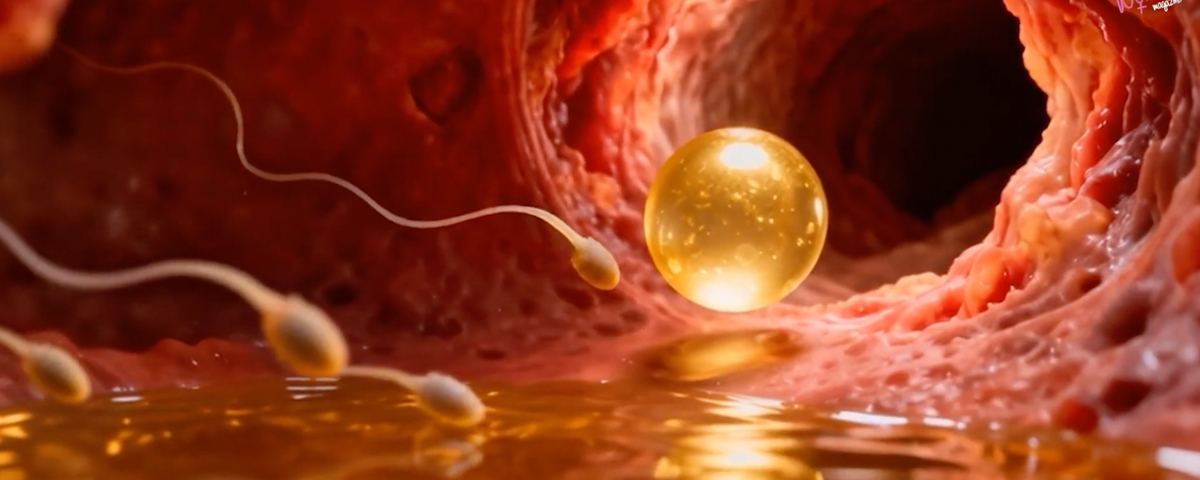
Intrauterine insemination (IUI) is a fertility procedure designed to increase the chances of fertilization by placing specially prepared sperm directly into a woman’s uterus around the time of ovulation. This technique is commonly used for couples facing unexplained infertility, mild male factor infertility, or issues related to cervical mucus, among other conditions. The process begins with ovarian stimulation using medications such as clomiphene citrate, letrozole, or gonadotropins to induce the development of multiple follicles and monitor ovulation through ultrasound and hormone tests. When the leading follicle reaches an optimal size and ovulation is imminent, a sperm sample—either from the male partner or a donor—is processed in the laboratory to concentrate the most motile, healthy sperm and remove seminal plasma. The concentrated sperm is then inserted into the uterine cavity through a thin catheter, usually under mild ultrasound guidance to ensure accuracy. The procedure is relatively quick, minimally invasive, and generally well tolerated, often performed in a clinic setting. After the insemination, activity levels are usually limited for a day or two, followed by a pregnancy test about two weeks later to determine if conception has occurred. By bypassing the cervical mucus barrier and placing the sperm closer to the fallopian tubes, IUI improves the likelihood of fertilization in suitable candidates and can be an effective fertility treatment either alone or combined with ovulation-inducing medications.
Male infertility refers to the inability of a man to contribute to conception due to issues with sperm production, function, or delivery, which account for about half of all infertility cases worldwide. Common causes include low sperm count (oligospermia), poor sperm motility (asthenozoospermia), abnormal sperm morphology (teratozoospermia), and blockages in the reproductive tract that prevent sperm from reaching the egg. Factors such as varicocele (enlargement of veins within the scrotum), infections, genetic abnormalities, hormonal imbalances, exposure to toxins, lifestyle factors like smoking, alcohol consumption, stress, obesity, and environmental pollutants can also impair sperm quality and quantity. Diagnosing male infertility involves semen analysis, hormone testing, genetic screening, and imaging studies if structural abnormalities are suspected.
The treatment of male infertility is tailored to the underlying cause and may involve a combination of medical, surgical, and assisted reproductive technology (ART) approaches. For men with hormonal imbalances, such as low testosterone or FSH abnormalities, hormone therapy using testosterone, gonadotropins, or clomiphene citrate can help stimulate sperm production. In cases of varicocele, a common structural abnormality linked to decreased sperm quality, surgical repair (varicocelectomy) can restore normal blood flow and improve semen parameters. For infections or obstruction-related issues, antibiotics and surgical interventions like vasectomy reversal or correction of ductal blockages may be necessary. Lifestyle modifications are also crucial; ceasing smoking, reducing alcohol intake, managing stress, and maintaining a healthy weight can significantly improve sperm quality. When these treatments are insufficient, assisted reproductive techniques are employed. The most common is intracytoplasmic sperm injection (ICSI), where a single healthy sperm is directly injected into an egg during in vitro fertilization (IVF). In cases of severe semen abnormalities or azoospermia (absence of sperm in ejaculate), sperm retrieval procedures such as testicular sperm extraction (TESE) or percutaneous epididymal sperm aspiration (PESA) may be performed to obtain viable sperm for ART. Overall, male infertility treatment emphasizes a comprehensive, cause-specific approach aimed at optimizing sperm health and maximizing the chances of conception.