Uterine Microbiome and Pregnancy
Summary
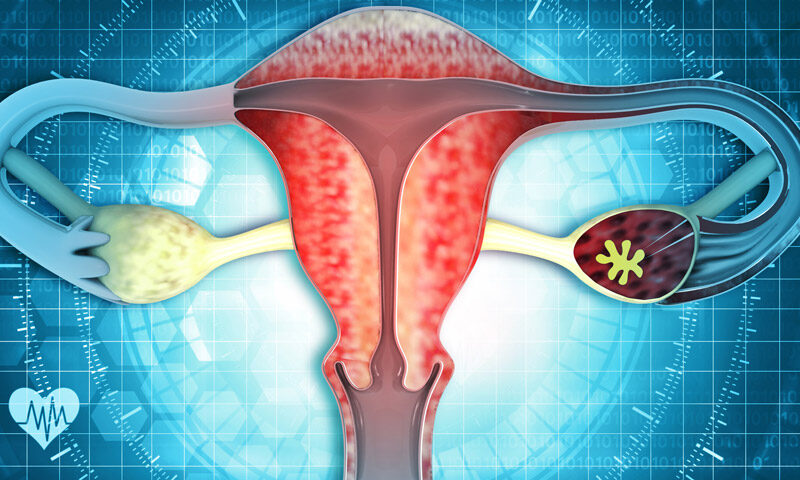
Bacterial cells in the human body account for 1-3% of total body weight and are at least equal in number to human cells. Recent research has focused on understanding how the different bacterial communities in the body (eg, gut, respiratory, skin, and vaginal microbiomes) predispose to health and disease. The microbiome of the reproductive tract has historically been assumed to be identical to the vaginal bacterial flora, and the uterus classically was considered to be a sterile cavity but recently has been shown to have its own unique microbiome.
A genital Lactobacillus-dominated flora plays a pivotal role in determining fertility. Lactobacilli dominate the microbial community and are commonly associated with a healthy genital status. Any pathological modification of this Lactobacillus-dominated flora is associated with poor reproductive outcomes. This finding adds a novel microbiological dimension to the reproductive process.