Infertility is defined by the American College of Obstetricians and Gynecologists as the inability to become pregnant after 12 months or more of unprotected intercourse for women under 35 and after six months for women over 35.
Physiology:
After traversing the cervix and reaching the fallopian tube sperm can fertilize an egg. Fertilization is the process by which male and female gametes fuse to form a zygote (a unicellular structure with a complete set of 46 chromosomes). Fertilization usually takes place in the ampulla, the widest part of the fallopian tube, 12 to 24 hours after ovulation.
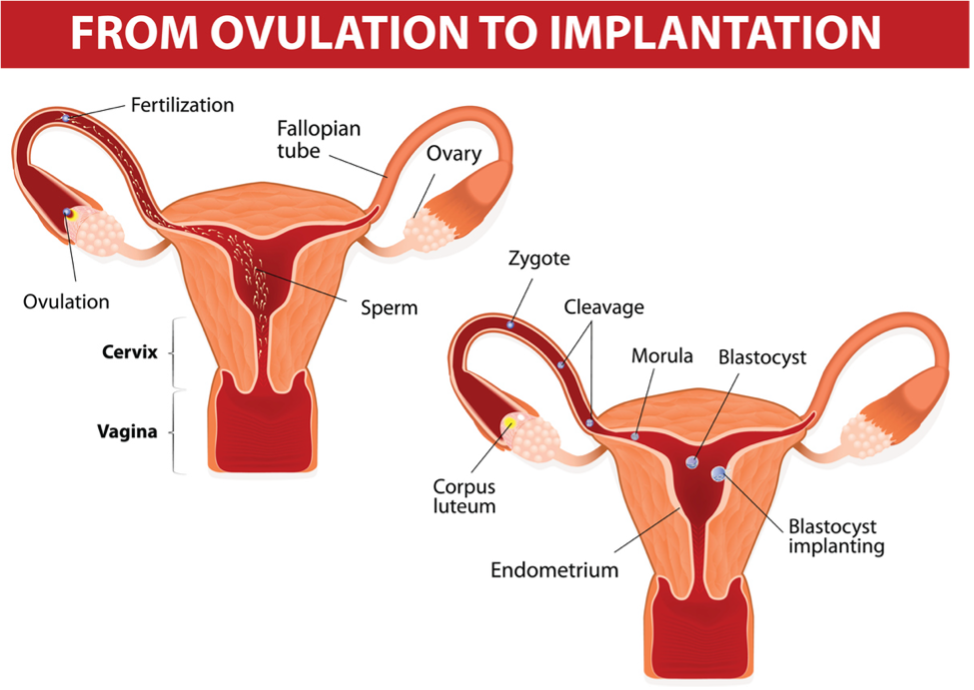
Fallopian tube abnormalities are estimated to occur in 25%–35% of female patients with infertility. Tubal blockage resulting from endometriosis, inflammation or infection, negatively influences tubal function. Tubal dysfunction may also occur in the presence of unobstructed fallopian tubes, as in the case of acquired or congenital disorders of ciliary function or abnormal tubal peristalsis, contributing to infertility or ectopic pregnancy. As a result, identifying both tubal pathology and tubal patency has been traditionally a cornerstone of the workup of an infertile couple.
Diagnosis
Diagnosis of tubal blockage can made using one of the following techniques:
- Hysterosalpingography (HSG) – an X-ray test using dye to check for tubal patency.
- Sonohysterography (SIS) – ultrasound with saline infusion to visualize the uterus and tubes.
- Laparoscopy – a minimally invasive surgical procedure to directly view the tubes and remove adhesions if present.
Due to their small size, the fallopian tubes are easily damaged or blocked. The fallopian tubes are often blocked or damaged because of scarring on the walls of the tubes caused by infection. Aside from infection, which can be due to various causes, tubes may be blocked by endometriosis or damaged from surgery. The more frequent causes of tubal occlusion follow:
Endometriosis
Endometriosis is when tissue from a woman’s endometrium, the lining of the uterus, begins to grow outside of the uterus on other pelvic organs. During menstruation the endometrium is typically shed and released from a woman’s body as flow from her period. However, the endometrial tissue that is growing outside of the uterus does not shed like normal tissue. This causes inflammation and can lead to the development of scar tissue.
Pelvic inflammatory disease (PID)
PID is an infection that can develop when sexually transmitted diseases (STDs) or other infections go untreated. It is typically caused by gonorrhea or chlamydia. PID causes inflammation near the fallopian tubes, which can lead to the development of scar tissue and blockages.
Surgery
Past surgeries can also be a cause of damaged or blocked fallopian tubes. In particular, surgery for medical problems like uterine fibroids or endometriosis and other types of abdominal surgery may cause scarring that affects an egg’s ability to travel through the fallopian tubes.
Ectopic pregnancy
An ectopic pregnancy is when a fertilized egg implants in the fallopian tubes, rather than in the uterus. Because fallopian tubes are small and narrow, the fertilized egg does not have the room it needs to grow. This can cause the fallopian tubes to rupture, which is life threatening and can render a woman infertile.
If a doctor identifies an ectopic pregnancy before the fallopian tube ruptures, then surgery can be performed to remove the fertilized egg. This surgery can often lead to fallopian tube scarring and sometimes removal.
IVF with damaged or blocked fallopian tubes
IVF is recommended for women who wish to become pregnant but have damaged or blocked fallopian tubes that cannot be treated. Even in instances where a woman no longer has fallopian tubes, she may be able to become pregnant through IVF. This is because during an IVF procedure, an embryo is placed directly into a woman’s uterus, bypassing the need for the sperm and egg to meet in the fallopian tube and for the resulting embryo to travel through the fallopian tube to the uterus.