Alzheimer’s disease is a progressive neurodegenerative condition, and one of the leading causes of dementia. Studies have consistently revealed a greater risk of Alzheimer’s Disease (AD) development in women compared to men, with postmenopausal women exhibiting heightened susceptibility. Alzheimer’s is characterized by memory loss, cognitive decline, and behavioral changes. While the exact cause of Alzheimer’s disease remain elusive, recent research has suggested a surprising potential contributor to its development: the herpes simplex virus (HSV), particularly HSV-1.
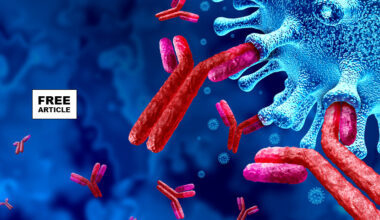
Herpes simplex virus (HSV) is a common viral infection that exists in two primary forms: HSV-1 and HSV-2. HSV-1 is associated with oral herpes, causing cold sores, while HSV-2 is primarily linked to genital herpes. Both are highly contagious and can remain dormant in the body for long periods, reactivating under certain conditions such as stress or a weakened immune system. HSV-1 is particularly widespread, with an estimated two-thirds of the global population under the age of 50 carrying the virus. While it is often benign and asymptomatic, HSV-1 can travel along nerve pathways and enter the Central Nervous System (CNS).
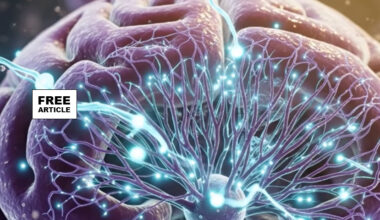
One hypothesis linking HSV-1 to Alzheimer’s disease is the process of viral reactivation. When HSV-1 reactivates, it can cause localized inflammation in the nervous system. This neuroinflammation may contribute to the accumulation of amyloid-beta plaques in the brain, one of the hallmark features of Alzheimer’s disease. The pathogenesis, the process by which a disease develops, of Alzheimer’s begins with the breakdown of the amyloid precursor proteins to produce beta-amyloid, which accumulates around the cerebral blood vessels, forming amyloid plaques. Amyloid plaques weaken the vessel walls, leading to intracranial hemorrhage. Besides this, beta-amyloid also has a neurotoxic effect on the brain, destroying neurons and causing atrophy of the cortex.
Studies have shown that individuals with active HSV-1 infections have higher levels of inflammatory markers in their brains. Chronic inflammation is a known risk factor for neurodegenerative diseases, as it can damage brain cells and disrupt normal neural function.
Interestingly, recent research has suggested that amyloid-beta, traditionally viewed as a toxic byproduct in Alzheimer’s disease, may have an antiviral function. Experiments have demonstrated that amyloid-beta can trap and neutralize HSV-1, suggesting that its production may be a defense mechanism against this viral infection. However, this protective response could come at a cost. An overproduction of amyloid-beta in response to repeated viral reactivations of the HSV-1 virus may lead to the formation of plaques, ultimately contributing to the progression of Alzheimer’s disease.
In addition, beta-amyloid accumulation in the nucleus of the forebrain causes the loss of acetylcholine, the neurotransmitter essential for memory and learning. As the disease progresses, the tau protein, a naturally occurring protein bound to microtubules and involved in neuronal transmission, detach from the microtubules and form clumps inside neurons, inhibiting signal transduction. Free radical-mediated oxidative damage is also involved in the development of neurodegeneration in Alzheimer’s.
In a recent study the authors observed that tau protein phosphorylation spared neurons from cell death and raises the possibility that p-tau, typically considered toxic, might have protective roles under certain conditions. The authors propose that acute tau phosphorylation may act as a beneficial antimicrobial strategy, whereas chronic tau phosphorylation leads to toxicity, causing microtubule polarity loss, axonal transport defects, organelle and protein mis-localization, mitochondrial dysfunction, and reactive oxygen species generation. Tau-mediated activation of the cGAS-STING pathway in microglia, the protective immune cells in Central Nervous System (CNS) can also produce interferons, promoting synaptic dysfunction and memory loss in mice. This dual role of tau mirrors inflammatory dynamics, where acute inflammation is protective, but prolonged inflammation drives life-threatening diseases like cancer, diabetes, liver disease, cardiovascular disease, autoimmune disorders, and neurodegeneration. Chronic tau hyperphosphorylation, triggered by repeated HSV-1 reactivation, aging, or stress, may exacerbate these harmful effects, manifesting as tau toxicity in Alzheimer’s Disease.
The intricate relationships between HSV-1 infection, inflammation, genetics, and aging underscore the importance of a holistic approach to understanding and addressing neurodegenerative disorders.