CRISPR Babies – Should We Allow Editing Of An Embryo’s Genes?

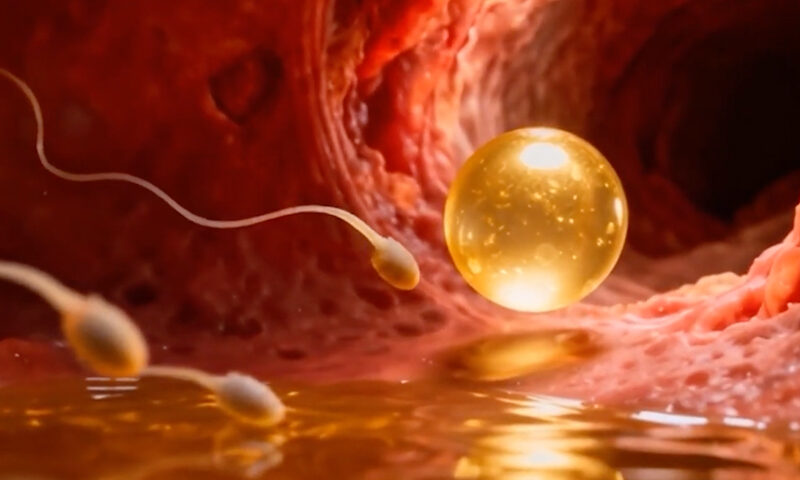
CRISPR editing of an embryo’s genes involves using targeted molecular tools to modify DNA at the earliest stages of development, where a single change can propagate to every cell of the developing child. In this context, CRISPR-Cas9 is programmed with a guide RNA that recognizes a specific gene sequence associated with a disease or trait; once it binds, the Cas9 enzyme makes a precise cut in the DNA.


Read More
Hepatitis B

Why The Hepatitis B Vaccine Must Be Givin at Birth

Administering the hepatitis B vaccine at birth is a cornerstone of global public-health strategy because it prevents a lifelong, incurable viral infection at the moment infants are most vulnerable and least likely to be diagnosed. The rationale is grounded in virology, epidemiology, and the unique biology of newborn immunity. Hepatitis B virus (HBV) is transmitted through blood and bodily fluids, and one of the most efficient routes of transmission is perinatal exposure from an infected mother during delivery.

Read More

Who Has the Right to Reproduce? IVF Access Explained

Debates over the right to reproduce in the United States sit at the intersection of constitutional law, ethics, economics, and healthcare policy. Although the Supreme Court has historically recognized procreation as a fundamental liberty interest, questions remain about what this right means in practice—particularly as reproductive technologies such as IVF, donor gametes, surrogacy, and preimplantation genetic testing become more common and more expensive.

Read More
Infertility Causes

Infertility Part 1: Root Causes

Infertility is defined by the American College of Obstetricians and Gynecologists as the inability to become pregnant after 12 months or more of unprotected intercourse for women under 35 and after six months for women over 35.

Infertility in women can stem from a variety of root causes, often involving complex interactions between hormonal, structural, and physiological factors.

Read More

Infertility Part 2: How Doctors Help Couples Conceive Without IVF

Non-IVF fertility treatments include lifestyle changes, medications to stimulate ovulation (like Clomid), intrauterine insemination (IUI), and less common approaches like restorative reproductive medicine. Treatment choices depend on the cause of infertility, with methods like ovulation induction or IUI being less invasive and costly than IVF but having lower success rates. 

Read More
IVF (In Vitro Fertilization)

Infertility Part 3: IVF and the Future of Fertility Medicine

In vitro fertilization (IVF) is an assisted reproductive technology (ART) designed to help individuals and couples achieve pregnancy. The process involves several meticulously coordinated steps to facilitate fertilization outside the body. It begins with ovarian stimulation, where fertility medications such as FSH are administered to encourage the ovaries to produce multiple mature eggs instead of the usual single egg per cycle.

Read More
Sperm and Egg

Sperm Can Wait, the Egg Can’t

The timing of sexual intercourse in relation to ovulation strongly influences the chance of conception. In the days leading up to ovulation, rising estrogen levels cause the cervix to produce thin, watery, and highly permeable mucus that facilitates sperm passage, creating an optimal environment for fertilization. During ovulation, progesterone plays a crucial role in transforming cervical mucus from a receptive, fertile state to a less hospitable one.

Read More
Bacteriophages

How Bacteriophages Overcome Antibiotic Resistance

Bacteriophages, or phages, are viruses that specifically infect and destroy bacteria, presenting a potential solution for treating antibiotic-resistant infections. These microscopic entities operate by attaching to bacterial cells, injecting their genetic material, and using the host's machinery to replicate. This process culminates in the lysis, or bursting, of the bacterial cell, releasing new phages to continue the cycle.

Read More
Oral Contraceptives

Why Oral Contraceptives are Still the Method of Choice

Oral contraceptives are highly effective in preventing pregnancy when taken consistently and correctly, boasting a success rate of over 99%. These contraceptives typically combine synthetic forms of estrogen and progestin, which work synergistically to inhibit ovulation by suppressing the release of follicle-stimulating hormone (FSH) and luteinizing hormone (LH) from the pituitary gland. Additionally, oral contraceptives thicken cervical mucus, creating a barrier to sperm entry, and alter the endometrial lining, making it less receptive to a fertilized egg.

Read More