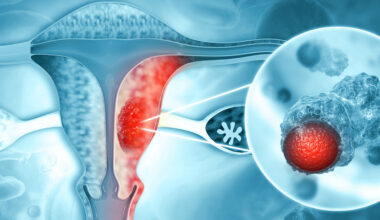
The American Cancer Society estimates for ovarian cancer in the United States for 2025 are:
- About 20,890 women will receive a new diagnosis of ovarian cancer.
- About 12,730 women will die from ovarian cancer.
Ovarian cancer is one of the leading causes of cancer deaths among women. A woman’s risk of getting ovarian cancer during her lifetime is about 1 in 91. Her lifetime chance of dying from ovarian cancer is about 1 in 143. This cancer mainly develops in older women. About half of the women who are diagnosed with ovarian cancer are 63 years or older.
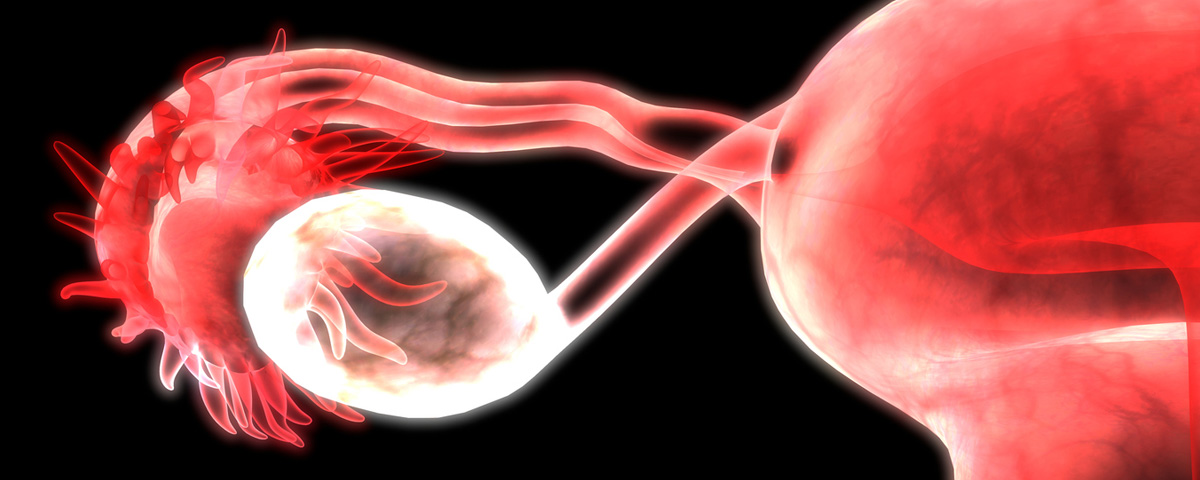
Historically, ovarian cancer was thought to originate in the ovary. However, we now know most ovarian cancers originate in the fallopian tubes. Recent studies shows that high-grade serous ovarian cancers actually begin in the far end of the fallopian tube especially the fimbriae, the finger like projection at the end of the fallopian tube closest to the ovary. The term serous refers to “serum like” because these tumors often produce clear or watery fluid. Women with BRCA1/BRCA2 mutations are especially at risk. Studies of prophylactic salpingo-oophorectomy (removal of both the ovaries and fallopian tubes) demonstrated early precancerous or cancerous lesions in the fallopian tubes but not in the ovaries further, supporting the concept that ovarian cancer originates in the fallopian tubes. Removing the fallopian tubes, (salpingectomy) eliminates the site where these cancers typically develop. Studies have shown that women who undergo salpingectomy have a significantly lower risk of developing ovarian cancer.
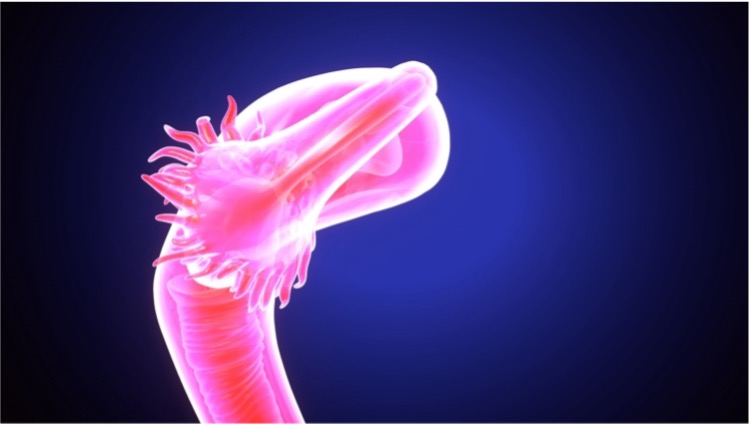
It is estimated that 80-90% of BRCA-related ovarian cancers originate in the fallopian tube. Removal of the fallopian tubes (Salpingectomy) may be a viable option in ovarian cancer prevention to avoid the severe adverse effects of the removal of both ovaries (oophorectomy). Histopathologic analysis of the reproductive area that has been removed from BRCA-positive women revealed 4-17% had a cancerous lesion; 57-100% of cases were found in the far end of the fallopian tubes. This pathology is termed serous TIC (STIC). This lesion is found in almost 60% of patients with ovarian cancer, which indicates that the majority of cases are of tubal origin.
Performing only salpingectomy in BRCA-positive women may reduce the likelihood of having ovarian cancer to the same degree as a complete salpingo-oophorectomy, the removal of both the ovaries and the fallopian tubes. This more conservative approach comes a lower risk of long-term complications from surgical menopause. Additionally, for young patients who wish to undergo prophylactic surgery, salpingectomy alone may provide more time to conceive via in vitro fertilization. Complete salpingectomy is preferred compared with fimbriectomy, although most BRCA-associated tubal lesions were found in the distal (far end) portion of the fallopian tube.
Therefore, salpingectomy alone or delayed oophorectomy can be a viable choice for young BRCA-positive patients.
https://www.ncbi.nlm.nih.gov/pmc/articles/PMC6501866/