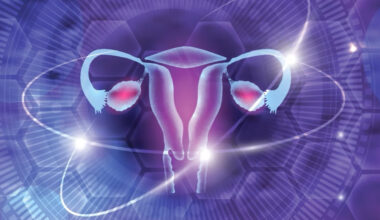
Hormone Replacement Therapy remains the cornerstone of menopausal treatment. Understanding the use of exogenous hormones for the treatment of menopausal symptoms (Hormone Replacement Therapy (HRT)) is of critical importance to the health of women, especially given that women spend approximately 40% of their lives post-menopause. Postmenopausal symptoms that can be treated with HRT include vasomotor symptoms (VMS) for example, hot flashes, night sweats, sleep disturbances, sexual dysfunction, and genitourinary tract symptoms, such as vulvovaginal atrophy, dyspareunia, urinary frequency. In addition to the treatment of menopausal symptoms, HRT may improve bone health among women after menopause, especially those with osteopenia or elevated risk of fracture.
When considering hormone replacement therapy (HRT) for menopause, both oral and transdermal estrogen offer distinct advantages and disadvantages. Oral estrogen is convenient and effective at alleviating vasomotor symptoms and improving bone density. It requires daily administration, which some find easier to incorporate into their routine. The primary concern stems from the first-pass metabolism of oral estrogen in the liver, which leads to an increase in the production of clotting factors and pro-coagulant proteins, thereby promoting a hypercoagulable state. This elevated coagulability heightens the risk of thrombotic events, including ischemic strokes, especially in women over the age of 50 or those with additional risk factors.
Conversely, transdermal estrogen, delivered through patches, gels, or sprays, bypasses the liver, minimizing first-pass metabolic effects. This route reduces the impact on liver proteins and is associated with a lower risk of thrombotic events, making it a safer option for those at risk for cardiovascular issues. Transdermal applications maintain steady hormone levels, potentially leading to more consistent symptom management. However, some may find skin irritation a drawback or find that adherence to regular application becomes cumbersome. Ultimately, the choice between oral and transdermal estrogen should be personalized, considering individual health status, risk factors, and lifestyle preferences to ensure optimal benefits and minimize risks.
The primary rationale for including progesterone or progestins in hormone replacement therapy (HRT) for women with an intact uterus is to protect against the proliferative effects of estrogen on the endometrial lining. While estrogen provides relief from menopausal symptoms such as hot flashes, night sweats, and helps in preventing osteoporosis, it stimulates the growth of the endometrial tissue. Without progesterone or a progestin, this unchecked proliferation increases the risk of developing endometrial hyperplasia, which can progress to endometrial cancer. By administering progestogens, either cyclically or continuously, the hormonal regimen induces a secretory and shed-friendly transformation of the endometrial lining, mimicking natural hormonal fluctuations, and thereby significantly reducing the risk of hyperplasia and malignant transformation. Additionally, progestins may have other protective effects, such as reducing the stimulation of breast tissue and possibly lowering breast cancer risk associated with estrogen therapy. Thus, incorporating progesterone or progestins in HRT ensures the benefits of estrogen in symptom relief and bone protection while maintaining endometrial safety, making combined therapy safe and effective for women with an intact uterus.
Newer non-hormonal therapies for the prevention and management of vasomotor symptoms in menopausal women have gained increasing recognition due to their safety profile and effectiveness, especially for women who cannot or prefer not to use hormone therapy. Among these, selective serotonin reuptake inhibitors (SSRIs) and serotonin-norepinephrine reuptake inhibitors (SNRIs), such as paroxetine, venlafaxine, and desvenlafaxine, have shown significant efficacy in reducing hot flashes and night sweats by modulating neurotransmitters involved in thermoregulation. Gabapentin, originally developed as an anticonvulsant, has also demonstrated the ability to decrease vasomotor symptoms by influencing nerve activity related to heat perception and peripheral vasodilation. Similarly, clonidine, an antihypertensive agent, can reduce hot flashes by acting on central adrenergic pathways, although it is less favored due to side effects like dry mouth and drowsiness. Non-pharmacological approaches, such as cognitive-behavioral therapy (CBT), acupuncture, and lifestyle modifications—including weight management, maintaining a cool environment, and avoiding triggers—also play vital roles in alleviating symptoms. Emerging evidence supports the use of these therapies alone or in combination to improve quality of life in women experiencing menopausal vasomotor symptoms, providing effective alternatives for those seeking to avoid hormonal treatments or with contraindications to hormone therapy.
VEOZAH (fezolinetant) is a new, novel non-hormonal medication that has been shown to be effective in the treatment of menopausal vasomotor symptoms, particularly hot flashes and night sweats. It functions as a neurokinin 3 receptor (NK3R) antagonist, targeting the neurokinin B pathway involved in thermoregulation within the hypothalamus. During menopause, decreased estrogen levels lead to an imbalance in neuropeptides like neurokinin B, which disrupts the body’s temperature regulation mechanism, resulting in hot flashes. Fezolinetant inhibits the NK3 receptor, thereby modulating this pathway and restoring normal thermoregulatory function without affecting systemic estrogen levels. This targeted approach addresses the underlying neurochemical abnormality responsible for vasomotor symptoms, offering a non-hormonal alternative with a favorable safety profile. Clinical trials have demonstrated significant reduction in hot flashes and night sweats with fezolinetant, making it a promising option for women who seek relief from menopausal symptoms but wish to avoid hormone therapy due to contraindications or personal preference. This innovative therapy represents an important advancement in the management of menopausal vasomotor symptoms, particularly for women who are seeking effective, non-hormonal options.
Some menopausal women are at high risk of developing osteoporosis and a number of drugs are available to reduce that risk. Drugs used for the prevention of osteoporosis in menopausal women primarily aim to preserve bone mineral density and reduce fracture risk resulting from estrogen deficiency. Bisphosphonates, such as alendronate, risedronate, and zoledronic acid, are the most commonly prescribed agents; they work by inhibiting osteoclast-mediated bone resorption, thereby maintaining or increasing bone density. These drugs are highly effective in reducing vertebral and non-vertebral fractures, and they have been the mainstay of therapy for decades. Selective estrogen receptor modulators (SERMs), like raloxifene, mimic estrogen’s protective effects on bone without stimulating breast or uterine tissue, making them suitable for women at risk of breast cancer or those contraindicated for hormone therapy. Denosumab, a monoclonal antibody, inhibits RANKL, a key factor in osteoclast formation, reducing bone resorption and increasing bone strength. Teriparatide, a recombinant form of parathyroid hormone, has an anabolic effect; when administered intermittently, it stimulates new bone formation and is used in women with severe osteoporosis or when antiresorptive agents fail. Calcium and vitamin D supplementation are also vital adjuncts, ensuring adequate mineral availability for bone health. In summary, these drugs, used alone or in combination, provide effective strategies for preventing osteoporosis and minimizing fracture risk in menopausal women, with choice tailored to individual risk factors, disease severity, and patient preferences.