Genetic alterations that are responsible for autism most likely occur before conception takes place. These heritable genetic alterations are present in the parental genome long before a child is conceived. Drugs taken during pregnancy are very unlikely to alter the underlying gene expression.
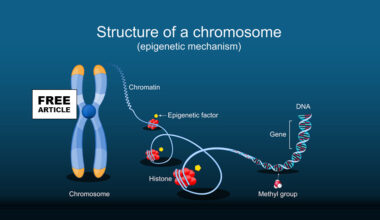
Epigenetics plays a significant role in the development of autism spectrum disorder (ASD) by influencing gene expression without changing the underlying DNA sequence. These heritable modifications include DNA methylation, histone modifications, and regulation by non-coding RNAs, all of which can alter the activity of genes involved in neurodevelopment, synaptic function, and neural circuitry. Abnormal DNA methylation patterns have been observed in genes critical for brain development, leading to either overexpression or silencing of key genes that regulate neuronal growth, connectivity, and communication. For instance, hypermethylation of genes involved in synaptic plasticity can impair neural signaling, while hypomethylation of genes linked to immune responses may contribute to neuroinflammation, both of which have been associated with ASD. Histone modifications alter chromatin structure and gene accessibility, influencing expression levels of neurodevelopmental genes. Additionally, dysregulation of microRNAs can disrupt the balance of gene networks essential for proper brain maturation. These epigenetic changes are often influenced by environmental factors such as prenatal stress, toxins, and maternal nutrition, which can trigger or exacerbate neurodevelopmental abnormalities. Since epigenetic modifications are reversible, they represent promising targets for therapeutic interventions aimed at correcting abnormal gene expression patterns in ASD, potentially improving neurodevelopmental outcomes.
Environmental exposures such as toxins, pollutants, stress, diet, and maternal or paternal age during conception can induce epigenetic changes in germ cells (sperm and oocytes), potentially disrupting normal neurodevelopmental gene regulation. In fathers, preconception exposure to environmental toxins or stress may lead to altered DNA methylation patterns in sperm, affecting gene expression in offspring. Similarly, maternal stress, nutritional deficiencies, or exposure to endocrine-disrupting chemicals prior to or during pregnancy can result in epigenetic modifications in the developing fetus or in germ cells that contribute to the offspring’s neurodevelopmental vulnerabilities. These epigenetic marks can influence genes involved in brain development, synaptic plasticity, and immune regulation, subtly impacting the child’s susceptibility to autism. Importantly, some of these modifications can be stable and heritable, highlighting how environmental and lifestyle factors in parents might predispose their children to autism through epigenetic inheritance, thus emphasizing the importance of healthy environments and lifestyle choices before conception.
Environmental toxins and dietary products that can induce epigenetic changes in parents, thereby increasing the risk of autism in their offspring, include a variety of chemicals and nutritional factors prevalent in modern environments. Exposure to persistent organic pollutants such as polycyclic aromatic hydrocarbons (PAHs), polychlorinated biphenyls (PCBs), heavy metals like lead, mercury, and cadmium, and pesticides such as organophosphates can lead to alterations in DNA methylation patterns and histone modifications in germ cells. These substances are known to disrupt normal gene regulation involved in neurodevelopment. For example, prenatal or preconception exposure to pesticides has been associated with epigenetic modifications that affect neuronal growth and synapse formation. Additionally, maternal and paternal intake of nutritional components like folate, vitamin B12, and methyl donors can influence DNA methylation processes; deficiencies or excesses of these nutrients can lead to abnormal epigenetic marks on genes critical for brain development. A diet high in processed foods, trans fats, and sugars has also been linked to increased inflammation and oxidative stress, which are capable of triggering epigenetic alterations in germ cells. These epigenetic modifications may then be inherited or influence gene expression during fetal development, affecting neural pathways associated with autism. Overall, exposure to certain environmental toxins and imbalanced dietary patterns can modify epigenetic marks in parents, contributing to neurodevelopmental vulnerabilities and an increased likelihood of autism in their children.
The current government program to limit diets high in processed foods, trans fats and sugars may well be a positive first step in combating the autism epidemic.