Multiple sclerosis and Alzheimer’s disease each affect women more often than men, about two to three times as often. Also, two-thirds of healthy women have ‘brain fog’ during menopause. Hormones such as estrogen clearly play a role, but their decline does not fully account for why female brains appear more vulnerable to neuroinflammatory and neurodegenerative processes. New Research helps to explain why and points to a new treatment target. Researchers have pinpointed a second, genetic layer to this disparity: a gene on the X chromosome that amplifies inflammatory signaling in the brain’s immune cells, called microglia, is responsible for inflammation. KDM6A is an X-linked gene that escapes X-chromosome inactivation leading to higher expression in females. Normally, one of the X chromosomes is silenced in every cell to balance gene dosage between males and females. If both X chromosomes in females were fully active, females would produce twice as much X linked gene product as males, which would disrupt normal development and cellular function.
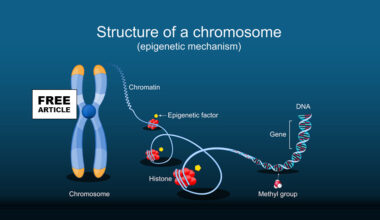
KDM6A is an X-linked gene that encodes a histone demethylase responsible for removing repressive methyl marks (specifically H3K27me3) from chromatin, thereby promoting the expression of genes involved in development, cell survival, immune regulation, and neuronal maintenance. Because KDM6A escapes X-chromosome inactivation, women typically express higher levels of KDM6A than men, who carry only one X chromosome. While this enhanced expression can be protective in some contexts, it also creates a biological vulnerability when KDM6A function becomes dysregulated with aging, inflammation, or cellular stress. In the brain, KDM6A plays a key role in regulating neuronal differentiation, synaptic plasticity, and mitochondrial and lysosomal pathways that are essential for clearing damaged proteins. Disruption of these processes is a central feature of neurodegenerative diseases, including Alzheimer’s disease, Parkinson’s disease, and other tau- and synuclein-related disorders.
In women, age-related changes in estrogen signaling interact strongly with KDM6A activity, because estrogen receptors and KDM6A co-regulate many of the same neuroprotective genes. As estrogen levels decline during menopause, the balance of KDM6A-mediated gene expression can shift toward maladaptive inflammatory and immune responses in the brain. KDM6A is also highly expressed in microglia, where it influences immune activation and cytokine production. Overactivation or mis-regulation of KDM6A-dependent pathways may therefore contribute to chronic neuroinflammation, which is more pronounced in women and is a known driver of neuronal injury and protein aggregation. Together, higher baseline expression of KDM6A, its escape from X-inactivation, and its sensitivity to hormonal and inflammatory changes help explain why alterations in KDM6A-regulated epigenetic programs may increase women’s susceptibility to neurodegenerative diseases later in life.
Researchers have demonstrated a pharmacologic “knock down” of the same pathway using metformin, a widely used diabetes medication currently being studied for its anti-aging and anti-inflammatory properties. Metformin may ameliorate KDM6A-related vulnerability to neurodegenerative disease in women by acting on several of the same metabolic, epigenetic, and inflammatory pathways that become dysregulated with aging and estrogen loss. At the cellular level, metformin activates AMP-activated protein kinase (AMPK), a master regulator of energy homeostasis that promotes mitochondrial health, autophagy, and lysosomal function—processes that KDM6A normally helps sustain through chromatin remodeling. By enhancing autophagic clearance of misfolded proteins and damaged mitochondria, metformin counterbalances the downstream consequences of KDM6A dysregulation, including protein aggregation and neuronal energy failure. AMPK activation also indirectly stabilizes chromatin states by limiting excessive histone modification turnover, which may dampen maladaptive KDM6A-driven transcriptional programs in aging neurons.
In addition, metformin exerts strong anti-inflammatory effects in the brain, particularly on microglia, where KDM6A influences immune gene expression. Metformin suppresses NF-κB signaling, reduces pro-inflammatory cytokine release, and shifts microglia toward a more neuroprotective phenotype, thereby mitigating the chronic neuroinflammation that disproportionately affects women after menopause. Importantly, metformin also improves insulin sensitivity and cerebral glucose utilization, which decline in women during midlife and interact with estrogen-dependent gene networks regulated in part by KDM6A. Through these combined metabolic and anti-inflammatory actions, metformin may help re-establish a more resilient epigenetic and cellular environment in the female brain, reducing the downstream neurodegenerative risk associated with age- and hormone-related KDM6A dysregulation.