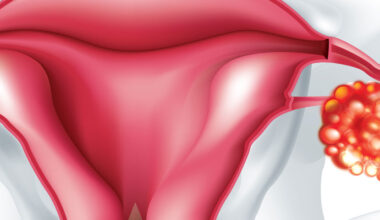
Epigenetic mechanisms appear to play a significant role in the pathophysiology of polycystic ovary syndrome (PCOS), helping explain how genetic susceptibility interacts with environmental and developmental factors to produce the syndrome’s diverse reproductive and metabolic manifestations. Studies show that women with PCOS—and even daughters of women with PCOS before puberty—exhibit altered DNA methylation patterns in key tissues such as ovarian granulosa cells, theca cells, adipose tissue, skeletal muscle, and peripheral blood mononuclear cells. These methylation changes affect genes involved in sex steroidogenesis (such as CYP17A1, CYP19A1, and STAR), gonadotropin signaling, androgen receptor activity, insulin signaling, inflammation, and metabolic regulation. Hypomethylation of androgen-related genes in theca cells contributes to their intrinsic hyperresponsiveness, driving excess androgen production. In adipose and muscle tissue, differential methylation of insulin pathway genes influences insulin resistance, a core metabolic feature of PCOS. Epigenetic modifications are also evident in pathways governing folliculogenesis, resulting in impaired granulosa cell differentiation, altered AMH expression, and disrupted ovulatory function.
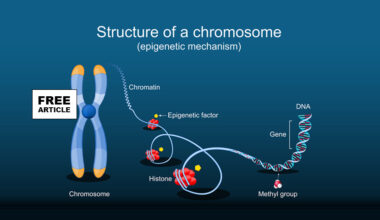
Histone modifications further shape the PCOS phenotype. Aberrant acetylation and methylation of histone proteins around genes controlling sex steroidogenesis and metabolic function alter chromatin accessibility and transcriptional activity. These changes may be influenced by early-life exposures, including maternal hyperandrogenism, obesity, or hyperinsulinemia during pregnancy, suggesting that the in-utero environment can program long-term reproductive and metabolic dysfunction through epigenetic imprinting. Additionally, non-coding RNAs—especially microRNAs (miRNAs)—are dysregulated in PCOS, modifying post-transcriptional gene expression in ovarian, metabolic, and inflammatory pathways. miRNAs such as miR-93, miR-92a, and miR-21 have been implicated in insulin resistance, androgen production, and granulosa cell dysfunction, while circulating miRNA profiles indicate systemic epigenetic dysregulation. Together, these epigenetic alterations create a self-reinforcing cycle in which androgen excess, metabolic disturbances, and inflammatory signaling perpetuate each other, making epigenetics a compelling unifying framework for the heterogeneous clinical features of PCOS.
Researchers are actively exploring several complementary strategies to reverse the epigenetic abnormalities seen in PCOS, moving from observational mapping to targeted intervention. First, multiple groups are showing that non-drug interventions — weight loss, specific diets and exercise regimens — can alter DNA methylation and other epigenetic marks in tissues relevant to PCOS (ovary, adipose, muscle), and clinical studies suggest lifestyle change plus metformin shifts methylation and gene-expression patterns in endometrium and metabolic tissues. Second, investigators are testing pharmacologic agents with epigenetic activity: metformin has documented effects on methylation-related pathways, and preclinical work is evaluating chromatin-modifying compounds and repurposed drugs that might restore normal methylation or histone states — though these drugs are mostly at preclinical or early clinical stages because broad DNMT/HDAC inhibitors carry systemic risks. Third, molecular-precision approaches are emerging: CRISPR/dCas9-based epigenome editors (dCas9 fused to DNMT or TET domains, or other targeted occlusion strategies) are being used in cell and animal models to add or remove methylation at specific PCOS-linked regulatory elements, offering a route to correct pathogenic epigenetic marks without changing DNA sequence. Fourth, because altered microRNA networks are strongly implicated in PCOS, groups are developing miRNA-modulating strategies (mimics, antagomirs) to rebalance post-transcriptional regulation in granulosa cells and metabolic tissues in preclinical studies. Finally, very recent work shows a distinct “epigenetic memory” in oocytes and early embryos from people with PCOS, spurring research into whether IVF-era diagnostics or embryo-directed interventions could prevent transmission of harmful epigenetic states — but those ideas remain exploratory and ethically sensitive. Taken together, the field is shifting from cataloguing epigenetic differences to testing targeted, tissue-specific reversal strategies, but most approaches are still preclinical or early-phase; safety, specificity, and long-term effects (including intergenerational consequences) are active areas of investigation.