The treatment of polycystic ovary syndrome (PCOS) is multifaceted because the condition involves hormonal imbalance, metabolic dysfunction, and reproductive irregularities. Management typically begins with lifestyle modification, as even a modest 5–10% weight reduction can significantly improve ovulation, insulin sensitivity, and androgen levels. A balanced diet emphasizing whole foods, lean proteins, low-glycemic carbohydrates, and anti-inflammatory fats can help stabilize insulin and reduce metabolic risk, while regular aerobic and resistance exercise further enhances glucose regulation and supports hormonal balance. For women with irregular periods or abnormal uterine bleeding, combined oral contraceptives are often the first-line therapy, as they regulate menstrual cycles, suppress excess ovarian androgen production, and improve acne and hirsutism. If contraception is not desired, cyclic progesterone can be used to protect the endometrium from hyperplasia (overgrowth). For metabolic features such as insulin resistance or impaired glucose tolerance, metformin is frequently prescribed to improve insulin sensitivity, promote more regular ovulation, and support weight management.
When hyperandrogenic symptoms persist, anti-androgens like spironolactone may be added, though they require reliable contraception due to teratogenic, birth defect risk to offspring. For infertility associated with anovulation, ovulation-inducing agents such as letrozole (now the preferred first-line treatment) or clomiphene citrate can be used, and in resistant cases, gonadotropin therapy or laparoscopic ovarian drilling may be considered.
In vitro fertilization (IVF) plays a crucial role in managing infertility associated with polycystic ovary syndrome (PCOS), particularly when first-line treatments like lifestyle modification, ovulation-induction medications (clomiphene, letrozole), or gonadotropin therapy fail to result in pregnancy. PCOS ovaries contain a high number of small follicles that can respond vigorously to stimulation, so IVF offers the advantage of closely controlled hormone dosing and frequent monitoring to optimize follicular growth while reducing risks. One of the major challenges in PCOS patients is the heightened risk of ovarian hyperstimulation syndrome (OHSS), a potentially serious complication; IVF protocols are therefore tailored to be “low and slow,” often using mild stimulation, GnRH antagonist cycles, GnRH agonist triggers instead of hCG, and routine freeze-all strategies to virtually eliminate OHSS. IVF also allows embryologists to select high-quality embryos in a laboratory environment, bypassing issues with irregular ovulation or poor oocyte–sperm timing. Additionally, PCOS patients often benefit from frozen-embryo transfer cycles because the endometrium may be more receptive when hormones are normalized rather than during stimulated cycles. Overall, IVF provides a controlled, safe, and highly effective approach for PCOS-related infertility, especially when other treatments have failed or when minimizing OHSS risk is a major concern.
Dermatologic manifestations such as acne, hirsutism, and alopecia may require adjunct treatments, including topical agents, dermatologic procedures, or hair-removal strategies. Because PCOS increases long-term risks—including type 2 diabetes, metabolic syndrome, dyslipidemia, and cardiovascular disease—ongoing monitoring of blood pressure, glucose, and lipid profiles is essential. Treatment plans are individualized, targeting the patient’s primary concerns—whether metabolic, cosmetic, or fertility-related—while addressing long-term health risks and quality of life.
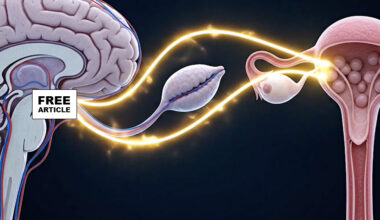
New Therapies are in development. Neurokinin-3 (NK3) receptor inhibitors may help treat polycystic ovary syndrome (PCOS) by targeting a core problem in the brain: abnormal regulation of reproductive hormone signaling. In PCOS, the hypothalamic “pulse generator” that controls the release of gonadotropin-releasing hormone (GnRH) fires too rapidly. This fast pulse rate skews downstream hormone production—producing a higher luteinizing hormone (LH) to follicle-stimulating hormone (FSH) ratio—which increases ovarian androgen production and disrupts normal follicle development. NK3 receptors sit on a key group of neurons called KNDy neurons (kisspeptin, neurokinin B, and dynorphin), which act as the master regulators of the GnRH pulse generator. In PCOS, neurokinin B signaling is overactive, contributing to the abnormally fast GnRH pulses. By blocking NK3 receptors, NK3 inhibitors reduce this excessive stimulatory signal, slowing GnRH pulse frequency back toward normal. This, in turn, decreases LH levels, helps rebalance the LH:FSH ratio, and lowers ovarian androgen output. Early studies suggest that this central “reset” of reproductive hormone signaling may improve ovulatory function and reduce androgen-related symptoms, offering a non-hormonal therapeutic approach that targets the root neuroendocrine disturbance driving PCOS.