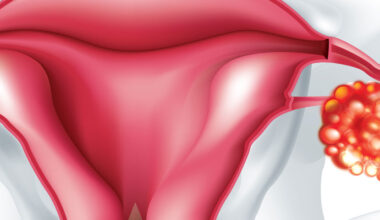
Polycystic Ovary Syndrome (PCOS) is intricately linked to hyperinsulinemia and an increased risk of developing type 2 diabetes, primarily due to the role of insulin resistance in the condition’s pathophysiology. Hyperinsulinemia, a condition characterized by elevated levels of insulin in the blood, plays a pivotal role in the development of insulin resistance through a complex interplay of cellular and molecular mechanisms. When cells become less responsive to insulin due to genetic, lifestyle, or metabolic factors, the pancreas compensates by producing more insulin to maintain normal glucose levels. This prolonged exposure to high insulin levels can lead to desensitization of insulin receptors on cell membranes, reducing their number or altering their signaling capability. As a result, the efficiency of glucose uptake by cells diminishes, requiring even more insulin to achieve the same metabolic outcomes, thus perpetuating a cycle of increasing resistance.
Additionally, hyperinsulinemia can induce inflammation by elevating pro-inflammatory cytokines and reactive oxygen species, further impairing insulin signaling pathways. The condition is also associated with the accumulation of lipids in muscle and liver cells, which interferes with insulin action via the activation of stress-related kinases that inhibit insulin receptor substrates. Through these mechanisms, hyperinsulinemia not only reflects the body’s attempt to overcome reduced insulin sensitivity but also actively contributes to the progression and exacerbation of insulin resistance, heightening the risk of developing type 2 diabetes and associated metabolic disorders.
In women with PCOS, insulin resistance is prevalent, meaning the body’s cells do not respond effectively to insulin. To compensate, the pancreas produces more insulin, leading to hyperinsulinemia. This excess insulin not only exacerbates ovarian androgen production, contributing to symptoms like hirsutism and menstrual irregularities, but also influences the body’s fat and carbohydrate metabolism. The constant high levels of insulin can fatigue the pancreatic beta cells over time, impairing their function and potentially leading to type 2 diabetes. The risk is further compounded by additional factors like obesity, which is common in PCOS and can worsen insulin resistance. Studies have shown that women with PCOS are at a significantly higher risk of developing impaired glucose tolerance and type 2 diabetes, often at a younger age compared to the general population. Management strategies for PCOS frequently target insulin resistance through lifestyle modifications—such as diet and exercise—and, in some cases, medications like metformin, which can improve insulin sensitivity and help mitigate the risks of progression to type 2 diabetes. Understanding and addressing this relationship is crucial in reducing long-term health complications associated with PCOS.
Pharmacotherapy for hyperinsulinemia and insulin resistance in women with PCOS primarily involves the use of insulin-sensitizing agents, with metformin being the most commonly prescribed. Metformin works by decreasing hepatic glucose production, enhancing peripheral glucose uptake, and improving insulin sensitivity, which can help reduce hyperinsulinemia and lower androgen levels, thereby alleviating symptoms such as hirsutism and menstrual irregularities. In addition to metformin, thiazolidinediones, another class of insulin sensitizers, may be used in some cases, although they are less favored due to potential side effects. For women seeking to improve fertility, combining insulin sensitizers with ovulation induction agents like clomiphene citrate or letrozole can enhance ovulation rates. Lifestyle modifications, including dietary changes and increased physical activity, are often recommended alongside pharmacological treatments for optimal results. In some cases, newer medications, such as inositol derivatives, are also utilized to improve insulin function and hormonal balance. Overall, managing insulin resistance with these therapies aims to restore normal metabolic and reproductive function, reduce the long-term risk of diabetes and cardiovascular disease, and improve quality of life in women affected by PCOS.