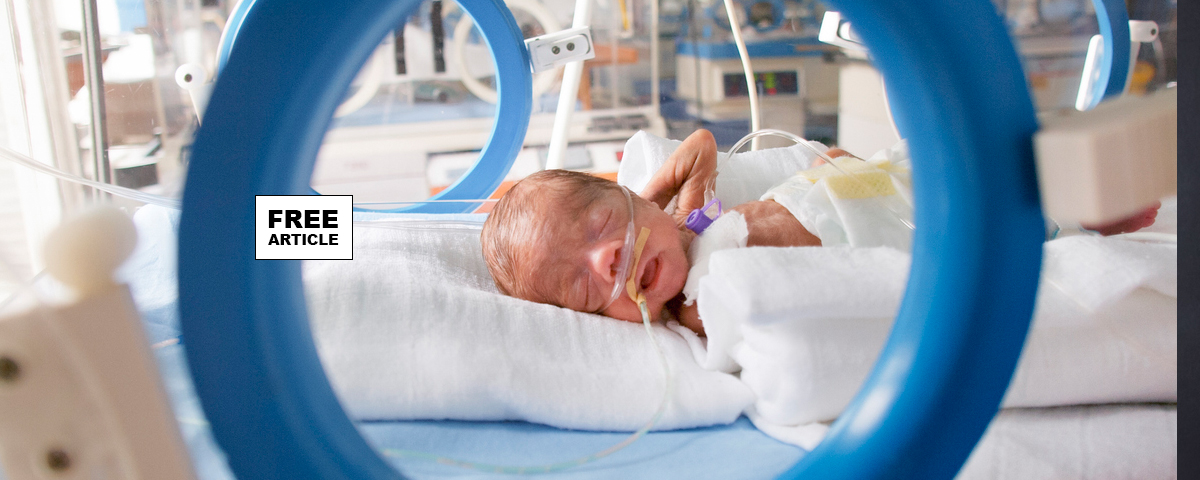
The vaginal microbiome plays an important role in influencing pregnancy outcome. Dominance of the vaginal niche by Lactobacillus species has been widely reported to be associated with a healthy, full-term pregnancy, specifically Lactobacillus crispatus. In contrast, diverse microbial communities depleted of Lactobacillus species and enriched with bacteria associated with Bacterial Vaginosis; a clinical syndrome characterized by vaginal discharge odor and polymicrobial overgrowth, increases the risk of adverse pregnancy outcomes including miscarriage and preterm birth. Preterm birth represents a significant global health burden. It is the leading cause of death in children under age 5 and is associated with serious short-and long-term health problems in survivors. Risk factors for spontaneous preterm birth include a history of late miscarriage or preterm birth and previous cervical excisional treatment, an operation used to treat cervical pre-cancer. Both a history of miscarriage and cervical pre-cancer have been linked with reduced vaginal dominance by Lactobacillus crispatus and enrichment of Lactobacillus iners or BV-associated bacteria
Within a healthy vaginal microbiome there are typically four prevalent Lactobacillus species including L. crispatus, L. gasseri, L. jensensii and L. iners. Population-specific variations have been documented with Caucasian women tending to have higher prevalence of L. crispatus dominance, whereas women of Black or Hispanic ethnicity have increased prevalence of L. iners or high diversity compositions. In pregnancy, a low abundance of L. crispatus is more common in instances of subsequent preterm birth. Numerous meta-analyses have also demonstrated a link between lactobacilli dominance of the vaginal niche in pregnancy, particularly by L. crispatus, and a lower risk of preterm birth. L. crispatus has also been reported to protect against preterm premature membrane rupture and early onset neonatal sepsis after delivery.
There are several potential mechanisms by which L. crispatus could confer protection against preterm birth and associated adverse pregnancy outcomes. Data shows that lower levels of pro-inflammatory cytokine expression are seen in L. crispatus-dominated environments, demonstrating species specific local immune action. By contrast, L. iners fails to prevent the growth of potentially pathogenic microbes that have been linked to preterm birth. L. crispatus is also highly exclusionary in the vaginal niche preventing the growth of pathogens, while L. iners tolerates co-colonization of potentially pathogenic bacteria that could simulate pro-inflammatory pathway activation. In the vagina and at the cervix, these pathogenic microbes induce an innate maternal immune response resulting in the release of inflammatory products including cytokines. Cytokines then stimulate prostaglandin release, which triggers uterine contractions and rupture of the fetal membranes, thus leading to preterm birth. Consistent with this, cervical cerclage; placing stitches around the cervix to keep it closed, using multifilament suture has been previously shown to reduce vaginal Lactobacilli and increase vaginal pathogen colonization, driving activation of local inflammatory pathways associated with early cervical ripening and pre-term birth.
As already stated, women with high vaginal levels of Lactobacillus crispatus have reduced risk of preterm birth. In contrast, women with high vaginal bacterial diversity and low levels of Lactobacillus crispatus have increased vaginal inflammation and are at increased risk of preterm birth. Both the vaginal and bacterial cells, as well as proteins that make up vaginal secretions, are linked with sugars called glycans. These can be used as anchor points for bacteria to adhere to and as a food sources. A recent study showed that women who lack specific glycans in their vaginal secretions (called blood-type antigens) are more likely to experience a shorter pregnancy length particularly, if they have a high vaginal bacterial diversity. These findings provide evidence that the relationship between the vaginal microbiome and preterm birth risk is likely regulated by the types of glycans produced in vaginal secretions. This provides new understanding of bacterial colonization in the female reproductive tract and highlights glycans as possible targets for therapeutic strategies designed to optimize the vaginal microbiome composition specifically, Lactobacillus crispatus to protect against preterm birth.
Sources
https://www.microbiologyresearch.org/content/journal/mgen/10.1099/mgen.0.001323
https://www.sciencedirect.com/science/article/pii/S1551714424003598