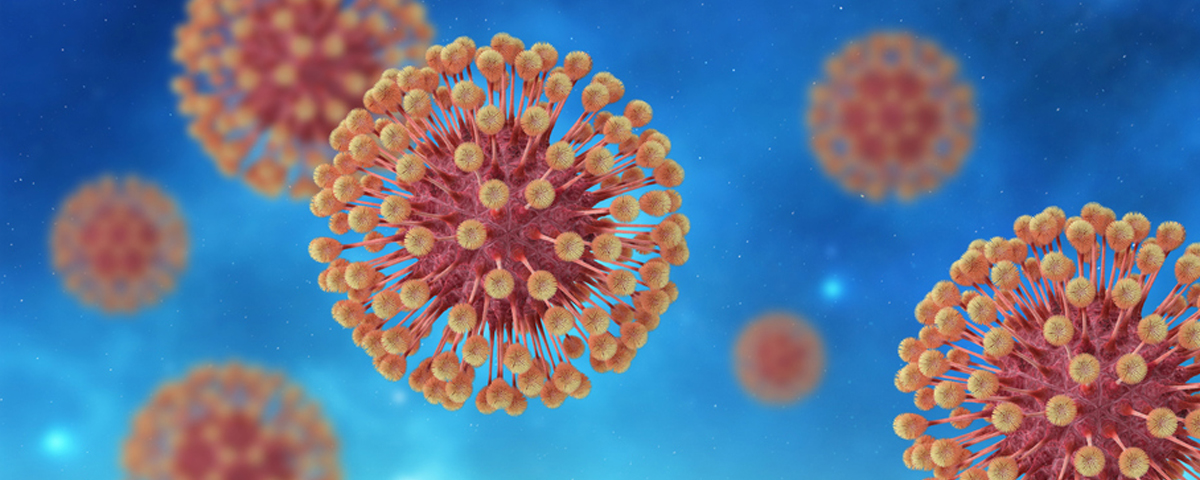
Recent studies suggest a significant link between herpes simplex virus (HSV) infections and an increased risk of Alzheimer’s disease and other forms of dementia. Specifically, research indicates that individuals with a history of HSV-1 (oral herpes) infections may be more susceptible to developing dementia later in life. This connection is supported by findings showing the presence of HSV DNA and proteins in Alzheimer’s brain samples, particularly near amyloid plaques and tau tangles. While the exact mechanisms are still being investigated, it’s believed that HSV infection can trigger or accelerate the pathological processes associated with Alzheimer’s, such as the accumulation of amyloid-beta and tau proteins.
Herpes simplex virus (HSV) is a common viral infection that exists in two primary forms: HSV-1 and HSV-2. HSV-1 associated with oral herpes, causing cold sores, while HSV-2 is primarily linked to genital herpes. Both are highly contagious and can remain dormant in the body for long periods, reactivating under certain conditions such as stress or a weakened immune system.
HSV-1 is particularly widespread, with an estimated two-thirds of the global population under the age of 50 carrying the virus. While it is often benign and asymptomatic, HSV-1 can travel along nerve pathways and enter the central nervous system.
One hypothesis linking HSV-1 to Alzheimer’s disease is the process of viral reactivation. When HSV-1 reactivates, it can cause localized inflammation in the nervous system. This neuroinflammation may contribute to the accumulation of amyloid-beta plaques in the brain, one of the hallmark features of Alzheimer’s disease.
Studies have shown that individuals with active HSV-1 infections have higher levels of inflammatory markers in their brains. Chronic inflammation is a known risk factor for neurodegenerative diseases, as it can damage brain cells and disrupt normal neural function. HSV-1 has been found in the postmortem brain tissue of Alzheimer’s patients, particularly in the hippocampus and temporal lobes, areas affected by early Alzheimer’s disease.
The APOE4 gene, a known genetic risk factor for Alzheimer’s, may increase susceptibility to HSV-1 reactivation in the brain. Carriers of APOE4 who also have HSV-1 show increased risk of developing AD compared to non-carriers.
Interestingly, recent research has suggested that amyloid-beta, traditionally viewed as a toxic byproduct in Alzheimer’s disease, may have an antiviral function. Experiments have demonstrated that amyloid-beta can trap and neutralize HSV-1, suggesting that its production may be a defense mechanism against this viral infection.
How Does Beta Amyloid Work Against Viruses?
- Aggregation around viruses:
- Amyloid-Beta rapidly binds to viral particles and aggregates around them.
- This forms fibrils that trap the virus, preventing its spread.
- Disrupting viral function:
- Amyloid-Beta may disrupt viral envelopes or capsids.
- This is similar to how classic antimicrobial peptides damage microbes.
- Immune signaling:
- Amyloid-Beta may signal to nearby immune cells to mount a defensive response.
However, this protective response could come at a cost. An overproduction of amyloid-beta in response to repeated viral reactivations of the HSV-1 virus may lead to the formation of plaques, ultimately contributing to the progression of Alzheimer’s disease.
A recent study revealed how tau protein, often viewed as harmful in Alzheimer’s, might initially protect the brain from the virus but also contribute to brain damage later. The study showed that the tau protein may initially act as part of the brain’s immune defense. The researchers identified forms of HSV-1-related proteins in Alzheimer’s brain samples, with greater amounts of viral proteins colocalized with tangles of phosphorylated tau—one of the hallmarks of Alzheimer’s pathology—in brain regions especially vulnerable to Alzheimer’s across all disease stages.
The intricate relationships between HSV-1 infection, inflammation, genetics, and aging underscore the importance of a holistic approach to understanding and addressing neurodegenerative disorders.
Cumulatively, these findings emphasize the complex interplay between infections, immune responses and neurodegeneration, offering a fresh perspective and potential new targets for therapeutic development.
https://www.nature.com/articles/s41598-024-84583-x