
Autoimmune Diseases in Women

Why Do Autoimmune Diseases Disproportionately Affect Women?

Autoimmune diseases are the third most prevalent disease category, outpaced only by cancer and heart disease. Autoimmune diseases occur when the immune system, which typically defends the body against harmful invaders like bacteria and viruses, begins to attack healthy tissues causing inflammation and damage. These disorders disproportionately affect women, with approximately 80% of all autoimmune disease patients being women. Understanding why these diseases occur more frequently in women, their implications, and how they can be managed is a crucial area of study in modern medical science.

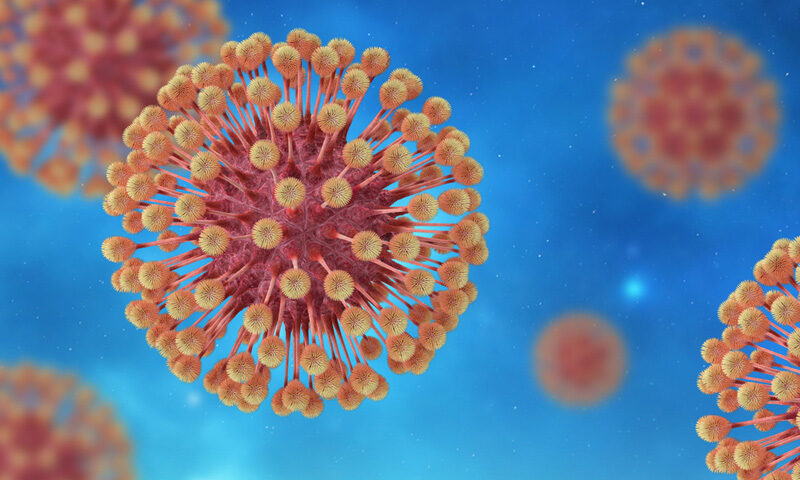
Herpes Simplex (HSV1)

Herpes Simplex (HSV1) Infection linked to Alzheimers Disease

Alzheimer’s disease is a progressive neurodegenerative condition, and one of the leading causes of dementia. Studies have consistently revealed a greater risk of Alzheimer’s Disease (AD) development in women compared to men, with postmenopausal women exhibiting heightened susceptibility. Alzheimer’s is characterized by memory loss, cognitive decline, and behavioral changes. While the exact cause of Alzheimer's disease remain elusive, recent research has suggested a surprising potential contributor to its development: the herpes simplex virus (HSV), particularly HSV-1.

Menstrual Cramps

Menstrual Cramps Dysmenorrhea – More than 50% of Women Suffer for 1 or 2 Days Each Month

Dysmenorrhea is a Greek term for "painful monthly bleeding”. More than half of women who menstruate have some pain for 1 to 2 days each month. Usually, the pain is mild. But for some women, the pain is so severe that it keeps them from engaging in their normal activities for several days each month. Primary dysmenorrhea begins within about 2 years of menarche or once ovulatory cycles have been established.