Menstrual Cramps Dysmenorrhea – More than 50% of Women Suffer for 1 or 2 Days Each Month

0 Shares
0
0
0

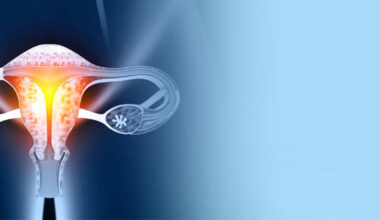
Dysmenorrhea is a Greek term for “painful monthly bleeding”. More than half of women who menstruate have some pain for 1 to 2 days each month. Usually, the pain is mild. But for some women, the pain is so severe that it keeps them from engaging in their normal activities for several days each month. Primary dysmenorrhea begins within about 2 years of menarche or once ovulatory cycles have been established. It is more often a diagnosis made in adolescents and young adults. The cyclic pain starts within a few hours of the onset of menses and usually resolves within 72 hours. The pain is located midline in the pelvis and may radiate to the lumbar area of the back or upper legs. It may be crampy and episodic and is usually similar in each menstrual cycle. Concomitant symptoms may include nausea, vomiting, headaches, dizziness, fatigue, and sleep difficulties.

The cause of pain is believed due to the hypersecretion of Prostaglandins (PGs) from the endometrium, the lining of the uterus. Prostaglandins cause pain by increasing uterine contractions, thus increasing uterine pressure and impaired uterine perfusion, a condition where the blood supply to the uterus is insufficient, leading to a lack of oxygen and nutrients needed for the proper function of the uterus. This hypoxia or lack of sufficient oxygen caused by impaired uterine profusion, and the metabolites from anaerobic metabolism the, cellular process that breaks down glucose without using oxygen (glycolysis) also play a role in the origin pain experienced during dysmenorrhea.

The mechanism by which prostaglandins are produced involves the breakdown of endometrial tissue which frees phospholipids, that are then converted to arachidonic acid. The arachidonic acid is further converted to prostacyclins, prostaglandins and thromboxane via the enzyme cyclooxygenase. The products prostaglandin F2 alpha (PGF-2α) and Prostiglandin E2 (PGE2) are responsible for the increase in uterine tone and the resulting high-amplitude contractions of the uterus.

The hormone vasopressin works by causing vasoconstriction; a narrowing of the blood vessels and by reducing blood flow as well as stimulating painful uterine contractions which are directly linked to the pain seen in primary dysmenorrhea. Another variable is the presence of Leukotrienes that play an important role in the immune system especially in inflammation and are also associated with an increase in uterine contractions. Leukotrienes C4 and D4 are seen at levels higher in women with dysmenorrhea than those who are free of the disorder.

Progesterone has an anti-inflammatory effect, during the luteal phase, the latter half of the menstrual cycle. During the luteal phase progesterone inhibits uterine contractions which plays a role in keeping the uterus quiescent to favor implantation should fertilization take place. If no pregnancy occurs progesterone levels drop sharply just before menstruation. This sudden drop causes the endometrium to break down, releasing arachidonic acid and ultimately prostaglandins, which increase uterine contractions and cause vasoconstriction, leading to ischemia and pain. This sudden drop in progesterone just prior to menses explains the timing menstrual cramps: dysmenorrhea

NSAIDs such as aspirin, ibuprofen and naproxen have been shown to be effective in the treatment of dysmenorrhea. The main mechanism of action of NSAIDs is the inhibition of the enzyme cyclooxygenase (COX). Cyclooxygenase is required to convert arachidonic acid into thromboxanes, prostaglandins, and prostacyclins. Use of an NSAID on a scheduled basis starting 1 to 2 days prior to the onset of pain has been shown to work better than when an NSAID is used on an as-needed basis.
0 Shares
Leave a Reply

Your email address will not be published. Required fields are marked *

You May Also Like
Autoimmune Diseases in Women

Autoimmune DisordersWhy Do Autoimmune Diseases Disproportionately Affect Women?

Autoimmune diseases are the third most prevalent disease category, outpaced only by cancer and heart disease. Autoimmune diseases occur when the immune system, which typically defends the body against harmful invaders like bacteria and viruses, begins to attack healthy tissues causing inflammation and damage. These disorders disproportionately affect women, with approximately 80% of all autoimmune disease patients being women. Understanding why these diseases occur more frequently in women, their implications, and how they can be managed is a crucial area of study in modern medical science.
Cytomagalovirus

Reproductive DisordersCan We Prevent Cytomegalovirus (CMV) In Pregnancy and the Harm to the New Born?

Cytomegalovirus (CMV) infection during pregnancy is a significant concern due to its potential to cause congenital CMV, which can lead to serious neonatal complications such as hearing loss, visual impairment, intellectual disability, and developmental delays. CMV is a common herpesvirus with a high prevalence worldwide, and primary infection during pregnancy poses a high risk of vertical transmission to the new born and severe fetal outcomes.
Carpel Tunnel

Autoimmune DisordersCarpel Tunnel Syndrome – Why Women are More Susceptible

Carpal tunnel syndrome (CTS) is the name of a group of problems that includes swelling, pain, tingling, and loss of strength in your wrist and hand. Women are three times more likely to have carpal tunnel syndrome CTS than men.  Carpal Tunnel Syndrome (CTS) in women is a common condition caused by compression of the median nerve as it passes through the carpal tunnel in the wrist.

Autoimmune Disorders80% Of All Autoimmune Diseases Occur in Women

Autoimmune diseases are the third most prevalent disease category, outpaced only by cancer and heart disease. Autoimmune diseases occur when the immune system, which typically defends the body against harmful invaders like bacteria and viruses, begins to attack healthy tissues causing inflammation and damage. These disorders disproportionately affect women, with approximately 80% of all autoimmune disease patients being women. Understanding why these diseases occur more frequently in women, their implications, and how they can be managed is a crucial area of study in modern medical science.
Infection Prevention

Autoimmune DisordersInfection Prevention Is Critical For The Safety Of Mother and Child

Pregnant women are more vulnerable to infections and tend to experience more severe symptoms due to several physiological and immunological changes that occur during pregnancy. The immune system undergoes modifications to accommodate and protect the developing fetus, which is genetically distinct from the mother. This immunological adaptation involves a shift away from cell-mediated immunity towards a more anti-inflammatory state, which helps prevent the maternal immune system from rejecting the fetus.

Reproductive DisordersFibroids – Ubiquitous Benign Tumors

Uterine fibroids are common growths of the uterus. They often appear during the reproductive years. Uterine fibroids are not cancer, and they rarely turn into cancer. They aren't linked with a higher risk of other types of cancer in the uterus either. They're also called leiomyomas (lie-o-my-O-muhs) or myomas. Most fibroids are asymptomatic and may even be asymptomatic during pregnancy. However, in some cases, they may interfere with conception or can cause spontaneous abortion, missed abortions, abnormal fetal presentation, obstructed labor, an increased likelihood of premature deliveries, and postpartum hemorrhage. Whereas, in non-pregnant women, fibroids are associated with an irregular menstrual cycle, often with heavy menstrual bleeding, infertility, constipation, urinary incontinence, and leiosarcoma transformation (a rare aggressive cancer). Uterine fibroids can occur in non-pregnant women and then continue into pregnancy or may develop de novo in pregnancy.