The Heritable Epigenetics of Autism – Part 3

Epigenetics plays a significant role in the development of autism spectrum disorder (ASD) by influencing gene expression without changing the underlying DNA sequence. These heritable modifications include DNA methylation, histone modifications, and regulation by non-coding RNAs, all of which can alter the activity of genes involved in neurodevelopment, synaptic function, and neural circuitry.

Read More

The Menopause Transition Part 1

At birth, a female is endowed with approximately one to two million primordial ovarian follicles, each containing an immature egg. This number represents a woman's entire lifetime supply, as no new follicles are produced after birth. By the onset of puberty, the number of follicles declines to about 300,000 to 500,000 due to a natural process called atresia, where many follicles degenerate.

Read More

The Menopause Transition Part 2: Its Impact on Health

During perimenopause, a woman's body undergoes significant hormonal changes as it transitions toward menopause. This period is characterized by fluctuating levels of estrogen and progesterone due to declining ovarian function. Initially, estrogen levels can be erratic, with periods of high and low production, leading to irregular menstrual cycles.

Read More
Menopause Part 3

The Menopausal Transition Part 3: Therapy

Hormone Replacement Therapy remains the cornerstone of menopausal treatment. Understanding the use of exogenous hormones for the treatment of menopausal symptoms (Hormone Replacement Therapy (HRT)) is of critical importance to the health of women, especially given that women spend approximately 40% of their lives post-menopause.

Read More
Tylenol and Autism

Tylenol is Not the Cause of Autism

Genetic alterations that are responsible for autism most likely occur before conception takes place. These heritable genetic alterations are present in the parental genome long before a child is conceived. Drugs taken during pregnancy are very unlikely to alter the underlying gene expression.

Read More
Women and Migraines

Migraines afflict up to 17% of Women

Migraine is a genetically influenced complex neurological disorder characterized by episodes of moderate-to-severe headaches, typically unilateral and frequently accompanied by nausea and heightened sensitivity to light and sound. These episodes, known as migraine attacks, can last hours to days and significantly impact daily activities and the quality of life of individuals.

Read More
Psoriasis

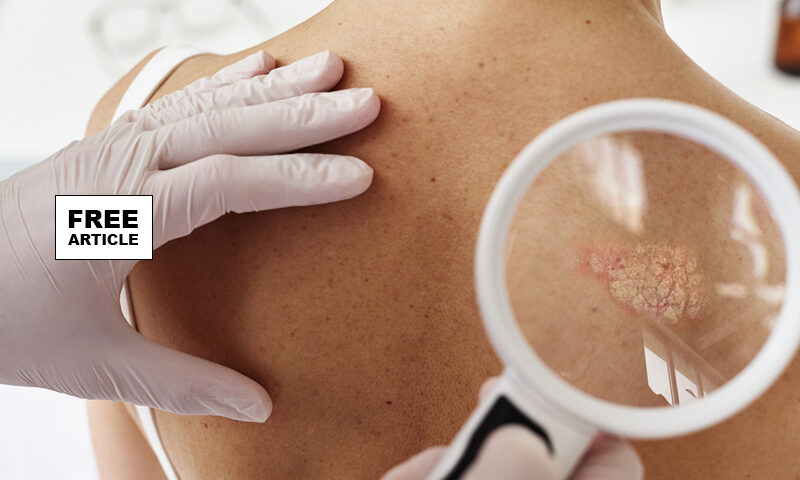
Psoriasis Part 1

Psoriasis is a chronic, autoimmune skin condition characterized by the overproduction of skin cells, leading to the formation of raised, red, scaly plaques on the skin. These plaques can appear anywhere on the body, but are commonly found on the elbows, knees, scalp, and trunk. Psoriasis is not contagious and is caused by an overactive immune system that mistakenly attacks healthy skin cells. 

Read More

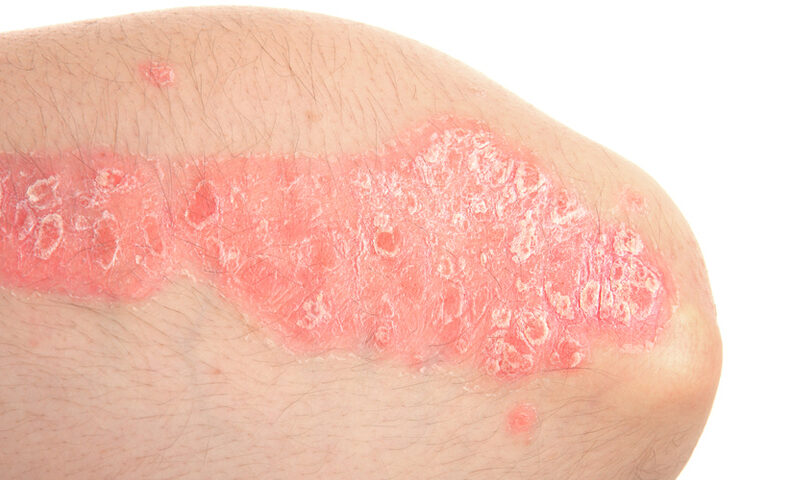
Psoriasis Part 2 – Root Causes

Psoriasis is a chronic autoimmune condition that speeds up the life cycle of skin cells, leading to a buildup of red, scaly, and itchy patches on the skin, most commonly on the elbows, knees, and scalp. It can also affect the nails and joints, causing a condition known as psoriatic arthritis.

Read More
Psoriasis

Psoriasis Part 3: Treatment

Psoriasis is a chronic, immune-mediated skin disorder characterized by the rapid proliferation and abnormal differentiation of keratinocytes (skin cells), leading to the development of thickened, scaly, and erythematous plaques on the skin’s surface. It is a multifactorial condition influenced by genetic predisposition, environmental triggers, and immune system dysregulation.

Read More
Cytomagalovirus

Can We Prevent Cytomegalovirus (CMV) In Pregnancy and the Harm to the New Born?

Cytomegalovirus (CMV) infection during pregnancy is a significant concern due to its potential to cause congenital CMV, which can lead to serious neonatal complications such as hearing loss, visual impairment, intellectual disability, and developmental delays. CMV is a common herpesvirus with a high prevalence worldwide, and primary infection during pregnancy poses a high risk of vertical transmission to the new born and severe fetal outcomes.

Read More