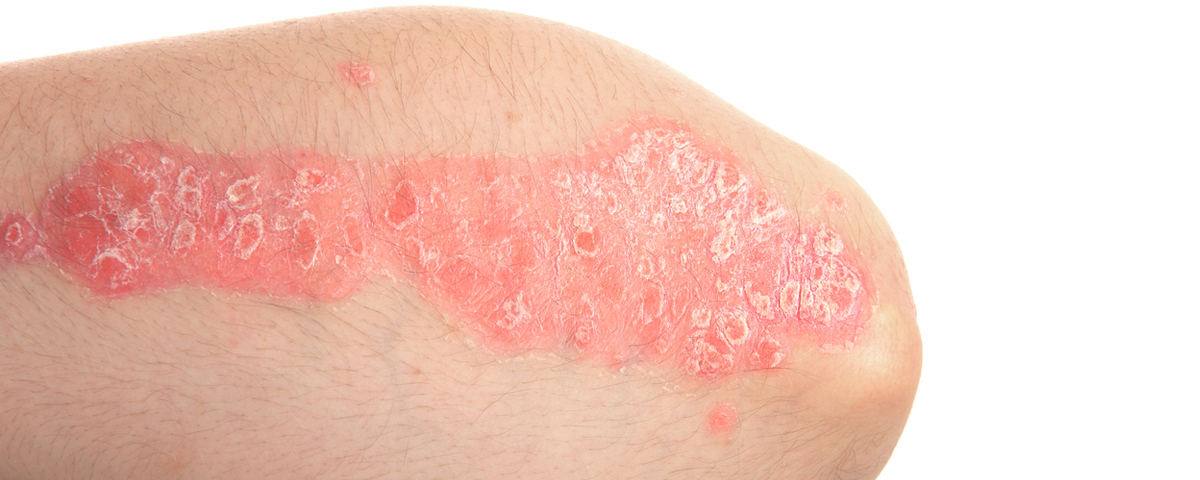
Psoriasis is a chronic autoimmune condition that speeds up the life cycle of skin cells, leading to a buildup of red, scaly, and itchy patches on the skin, most commonly on the elbows, knees, and scalp. It can also affect the nails and joints, causing a condition known as psoriatic arthritis.
Pathophysiology
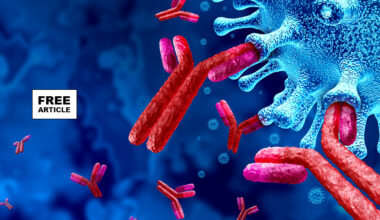
Psoriasis is a complex, immune-mediated skin disorder characterized by dysregulated immune responses that lead to hyperproliferation of keratinocytes (skin cells) and systemic inflammation. The underlying pathophysiology begins with an abnormal activation of innate immune cells, such as dendritic cells, which present antigens and release cytokines like interferon-alpha (IFN-α). This activates T-helper cells, especially Th1 and Th17 subsets, which secrete pro-inflammatory cytokines including tumor necrosis factor-alpha (TNF-α), interleukin-17 (IL-17), and interleukin-23 (IL-23). These cytokines create a feedback loop that amplifies immune responses and stimulates keratinocytes to proliferate rapidly while reducing their maturation process. The excessive keratinocyte turnover results in the thick, scaly plaques characteristic of psoriasis. The interleukins IL-17 and IL-23 are particularly crucial in maintaining the sustained inflammatory environment, recruiting additional immune cells like neutrophils and macrophages to the skin, and promoting angiogenesis, the growth of new blood vessels, to support inflammation. Genetic predisposition also plays a significant role; specific alleles such as HLA-C*06:02 are associated with increased susceptibility, likely influencing immune regulation. Environmental triggers such as infections, stress, injury, and certain medications can further activate these immune pathways. Thus, the interplay between genetic factors, immune dysregulation, keratinocyte hyperproliferation, and environmental factors results in the chronic, relapsing course of psoriasis and its characteristic skin lesions.
The cause of psoriasis is complex. Genetics, seasonal changes, skin damage, climate, an immunocompromised state, specific infections, and the use of some medications have been connected with different types of psoriasis.
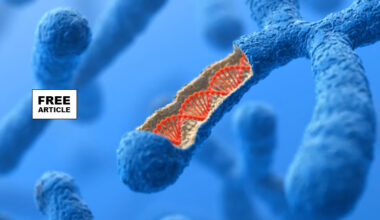
GeneticsPsoriasis is a chronic inflammatory skin condition with a strong genetic basis. It tends to run in families, with a higher risk observed when one or both parents have the disease. The most significant genetic association is with the Psoriasis Susceptibility 1, PSORS1 locus on chromosome 6p21, located within the major histocompatibility complex (MHC). The HLA-C*06:02 allele in this region is particularly linked to psoriasis susceptibility. Beyond PSORS1, several other Psoriasis Susceptibility Loci (PSORS 2 through 9) on different chromosomes contribute to the genetic complexity of the condition.
Genes involved in immune system regulation are crucial in psoriasis. Key genes for interleukins, the glycoproteins produced by white blood cells to regulate the immune system, such as IL12B and IL23R, play a role in the IL-23/Th17 inflammatory pathway, which is central to psoriasis pathogenesis. The IL23/Th17 pathway is a critical immune signaling pathway where the cytokine IL23 promotes the development and expansion of the Helper T cell, Th17, which in turn secrete interleukin IL 17 and other pro-inflammatory cytokines. Additionally, Tumor necrosis Factor TNF-α, a pro-inflammatory cytokine, is involved in skin inflammation and the immune response. Variants affecting skin barrier functions and inflammatory response regulation further complicate the genetic landscape.
Psoriasis is a polygenic trait, meaning multiple genes contribute to its development, often interacting in complex ways. Environmental factors, such as infections, stress, and skin injuries, also play a role, interacting with genetic predispositions to trigger or worsen symptoms. Ongoing research aims to identify more genetic variants and understand their interactions with environmental triggers. This genetic insight is essential for developing targeted therapies and advancing personalized medicine approaches to effectively manage psoriasis based on individual genetic profile.
Infections
Infections play a significant role in the development and exacerbation of psoriasis, a chronic inflammatory skin disorder. Streptococcal infections, particularly streptococcal throat infections, are well-known triggers for guttate psoriasis, characterized by small, drop-like lesions. These infections can activate the immune system, leading to an abnormal response in genetically predisposed individuals. The immune system’s overreaction involves T-cells and cytokines, such as tumor necrosis factor-alpha (TNF-α) and interleukin-17 (IL-17), which contribute to inflammation and the rapid turnover of skin cells. Additionally, infections like HIV can exacerbate psoriasis by altering immune function and increasing inflammation. This connection between infections and psoriasis highlights the importance of managing infections promptly and effectively to prevent flares in susceptible individuals. Understanding the role of infections in psoriasis aids in identifying triggers and developing targeted treatment strategies that address both the skin condition and the underlying immune responses.
Medication
Certain medications are known to trigger or worsen psoriasis in predisposed individuals. These drugs can alter immune responses or affect skin cell turnover, leading to flare-ups or exacerbation of the condition. For example, beta-blockers, commonly used for hypertension and heart conditions, have been associated with psoriasis worsening. Lithium, prescribed for bipolar disorder, is also known to induce or aggravate psoriasis. Additionally, drugs like antimalarials (such as chloroquine and hydroxychloroquine) can provoke psoriasis or make existing lesions more severe. Nonsteroidal anti-inflammatory drugs (NSAIDs) and some antibiotics have also been reported to contribute to psoriasis exacerbation. Finally, the use of imiquimod, a topical immune response modifier for warts and certain skin cancers, can sometimes provoke psoriasis flares. Recognizing these medications is crucial, especially in patients with a history or risk of psoriasis, as discontinuation or substitution with alternative therapies may help control disease activity.
Severity
Several methods are used to classify the severity of psoriasis. Mild psoriasis has been defined as a percentage of Body Surface Area (BSA)≤10, a Psoriasis Area and Severity Index (PASI) score ≤10, and a Dermatology Life quality Index (DLQI) score ≤10. Moderate to severe psoriasis was defined by the same group as BSA >10 or PASI score >10 and a DLQI score >10.
The DLQI is a 10-question tool used to measure the impact of several dermatologic diseases on daily functioning. The DLQI score ranges from 0 (minimal impairment) to 30 (maximal impairment) and is calculated with each answer being assigned 0–3 points, with higher scores indicating greater social or occupational impairment.
The PASI is the most widely used measurement tool for psoriasis. It assesses the severity of lesions and the area affected and combines these two factors into a single score from 0 (no disease) to 72 (maximal disease). Nevertheless, the PASI can be too unwieldy to use outside of research settings, which has led to attempts to simplify the index for clinical use.
Prognosis
Most people with psoriasis experience nothing more than mild skin lesions that can be treated effectively with topical therapies. Depending on the severity and location of outbreaks, people may experience significant physical discomfort and some disability, affecting the person’s quality of life. Itching and pain can interfere with basic functions, such as self-care and sleep. Participation in sporting activities, certain occupations, and caring for family members can become difficult activities for those with plaques located on their hands and feet. Plaques on the scalp can be particularly embarrassing, as flaky plaque in the hair can be mistaken for dandruff.
Individuals with psoriasis may feel self-conscious about their appearance and have a poor self-image that stems from fear of public rejection and psychosexual concerns. Psoriasis has been associated with low self-esteem, and depression is more common among those with the condition. People with psoriasis often feel prejudiced against due to the commonly held incorrect belief that psoriasis is contagious. Psychological distress can lead to significant depression and social isolation.
While no cure is available for psoriasis many treatment options exist. Topical agents are usually used for mild disease phototherapy for moderate disease and systemic agents for more severe disease.