Why Estrogen Receptor Positive Metastatic Breast Cancer Stops Responding to Therapy

Between 5% and 10% of all breast cancers are metastatic at diagnosis, and 20%-30% of patients diagnosed with early-stage breast cancer eventually progress to the metastatic stage. The most common type of metastatic tumor is estrogen receptor-positive (ER+) and human epidermal growth factor receptor 2-negative (HER2-), representing 68% of metastatic tumors.


Infertility Causes

Infertility Part 1: Root Causes

Infertility is defined by the American College of Obstetricians and Gynecologists as the inability to become pregnant after 12 months or more of unprotected intercourse for women under 35 and after six months for women over 35.

Infertility in women can stem from a variety of root causes, often involving complex interactions between hormonal, structural, and physiological factors.

Endometriosis Part 1: Root Causes

Endometriosis is classically defined as the presence of endometrial tissue both endometrial glands and stroma (connective tissue), in ectopic locations outside of the uterus, primarily the ovaries, fallopian tubes, pelvic peritoneum and rectovaginal septum. Affecting 6-10% of women of reproductive age, endometriosis is characterized by dysmenorrhea, chronic pelvic pain, irregular uterine bleeding and/or infertility and is occasionally accompanied by painful intercourse, bowel movements and/or urination.

Testosterone

Testosterone – The Key to Desire and Fertility in Women

Testosterone plays an important but often underappreciated role in women’s health. Although it is typically regarded as a “male” hormone, women also produce testosterone in smaller amounts—mainly in the ovaries, adrenal glands, and peripheral tissues. It functions as both an androgen and a precursor for estrogen synthesis, influencing a wide range of physiological systems.

Your Child’s Cells Live Within You for Decades

During pregnancy, there is a physiological exchange between mother and fetus through the placenta This transplacental traffic can be unidirectional or bidirectional. The unidirectional transfer involves nutrients, water, electrolytes, oxygen, hormones, and immunoglobulins being transferred from the mother to the fetus and carbon dioxide and catabolism products from the fetus being transferred to the mother. Bidirectional traffic consists of maternal-fetal exchanges of cells and genetic material such as DNA. 

Carpel Tunnel

Carpel Tunnel Syndrome – Why Women are More Susceptible

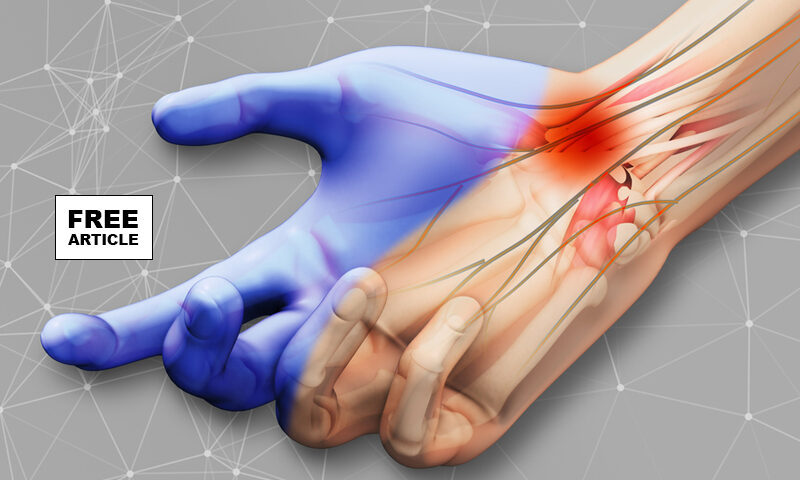
Carpal tunnel syndrome (CTS) is the name of a group of problems that includes swelling, pain, tingling, and loss of strength in your wrist and hand. Women are three times more likely to have carpal tunnel syndrome CTS than men. 

Carpal Tunnel Syndrome (CTS) in women is a common condition caused by compression of the median nerve as it passes through the carpal tunnel in the wrist.

Epigenetics – It’s Role in Disease Part 1

Epigenetics studies how behaviors and the environment can change the way genes work without altering the underlying DNA sequence itself. These changes involve chemical modifications to the DNA or associated proteins, collectively known as the epigenome, which act like switches to turn genes "on" or "off". This process is crucial for normal development, can influence health and disease, and can sometimes be passed down to future generations.

Tylenol and Autism

Tylenol is Not the Cause of Autism

Genetic alterations that are responsible for autism most likely occur before conception takes place. These heritable genetic alterations are present in the parental genome long before a child is conceived. Drugs taken during pregnancy are very unlikely to alter the underlying gene expression.

Cytomagalovirus

Can We Prevent Cytomegalovirus (CMV) In Pregnancy and the Harm to the New Born?

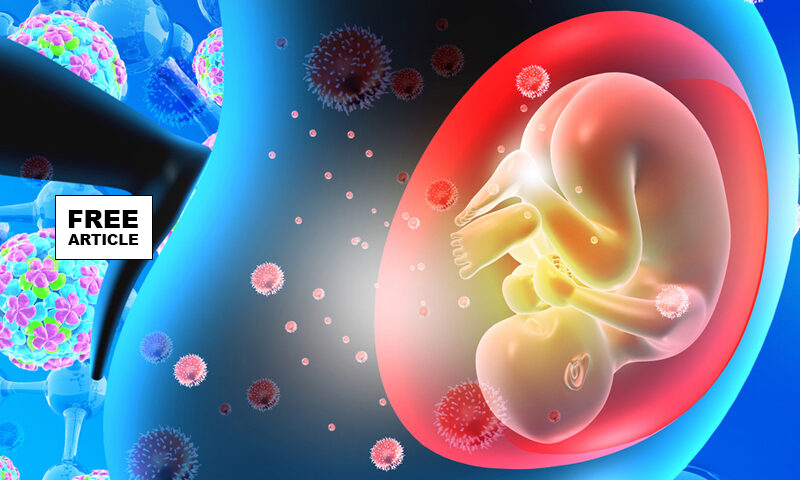
Cytomegalovirus (CMV) infection during pregnancy is a significant concern due to its potential to cause congenital CMV, which can lead to serious neonatal complications such as hearing loss, visual impairment, intellectual disability, and developmental delays. CMV is a common herpesvirus with a high prevalence worldwide, and primary infection during pregnancy poses a high risk of vertical transmission to the new born and severe fetal outcomes.

Scent of A Woman

The Scent of a Woman

In many species, female body odors reflect their reproductive status, and odors around the time of ovulation attract males, resulting in behavioral and/or physiological changes. In humans, several studies have suggested that female body odor signals periods of high fertility. For instance, vaginal secretions collected during the preovulatory and ovulatory phases are rated as more pleasant than those from the menstrual, early luteal, or late luteal phases.