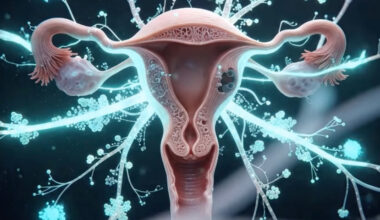
The clitoris is a far more extensive structure than its external presentation suggests, with the majority of its anatomy lying internal and unseen. Externally, the glans clitoris is the visible, highly innervated nub of erectile tissue situated at the anterior junction of the labia minora, typically partially or fully covered by the clitoral hood (prepuce), a fold of skin homologous to the foreskin in male anatomy. The glans sits atop the clitoral body (corpus), which curves sharply downward and backward into the pelvis immediately after exiting the hood, rather than continuing externally. This body bifurcates into two crura (singular: crus), elongated arms of erectile tissue that diverge and attach to the inferior pubic rami, anchoring the structure to the pelvic bone on either side. Flanking the vaginal opening and urethral meatus are the vestibular bulbs, paired masses of erectile tissue that swell during arousal and are now understood to be functionally and developmentally continuous with the clitoral complex rather than separate structures. The entire assembly—glans, body, crura, and bulbs—forms a structure with a total unstretched length often cited between nine and eleven centimeters, although this varies considerably between individuals. The clitoris is composed of two types of erectile tissue: the corpora cavernosa within the body and crura, which engorge with blood during arousal via the same vasocongestive mechanism as the penis, and the bulbar tissue, which is histologically distinct and more spongy. The glans clitoris contains the highest concentration of free nerve endings of any structure in the body relative to its size, innervated primarily by the dorsal nerve of the clitoris, a terminal branch of the pudendal nerve (S2–S4), along with contributions from the cavernous nerves arising from the pelvic autonomic plexus.
Function
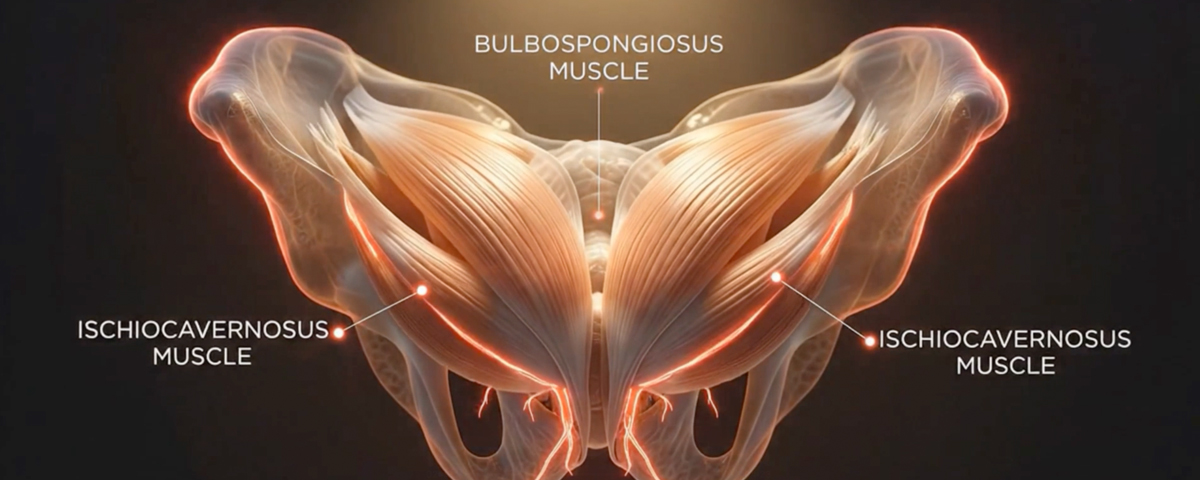
The clitoris’s primary and essentially exclusive physiological function is sexual arousal and orgasm, it has no role in reproduction, urination, or any other bodily process. Upon sexual stimulation, parasympathetic activation triggers release of nitric oxide, which relaxes smooth muscle in the arterial walls supplying the corpora cavernosa, allowing arterial blood inflow to dramatically exceed venous outflow. This produces engorgement and rigidity in the glans, body, and crura, while the vestibular bulbs swell and press against the walls of the vaginal vestibule, contributing to the engorgement and color change of the labia minora often observed during arousal. Continued stimulation, whether direct (glans) or indirect (via crural or bulbar pressure transmitted through penetrative intercourse or other means), can culminate in orgasm: a reflexive event mediated by the pudendal nerve involving rhythmic contractions of the pelvic floor musculature, including the bulbospongiosus and ischiocavernosus muscles, alongside a cascade of central and peripheral physiological changes (myotonia, tachycardia, and transient changes in consciousness). The historical conflation of “vaginal” versus “clitoral” orgasm, dating to Freudian psychoanalytic theory, has been substantially revised by modern anatomical understanding; because the crura and bulbs extend along and around the anterior vaginal wall and vestibule, stimulation perceived as vaginal often involves mechanical engagement of this internal clitoral tissue, a finding relevant to ongoing debate about the so-called G-spot, which many anatomists now consider an extension of clitoral tissue rather than a distinct entity.
Disorders and Clinical Conditions
Clitoral pathology spans congenital, structural, neurological, and acquired categories. Clitoromegaly, or abnormal enlargement of the clitoris, can be congenital—most commonly resulting from in-utero androgen exposure in conditions like congenital adrenal hyperplasia (CAH), where excess fetal androgen production virilizes external genitalia—or acquired in adulthood, typically secondary to androgen-secreting tumors (ovarian or adrenal), exogenous testosterone therapy (as used in some gender-affirming care or for hypoactive sexual desire disorder), or, rarely, chronic pelvic vasocongestion. Lichen sclerosus, a chronic inflammatory dermatologic condition, frequently involves the clitoral hood and can cause progressive scarring that buries the glans (clitoral phimosis or adhesions), leading to pain, reduced sensation, and architectural distortion; this is managed with topical corticosteroids and, in advanced cases, surgical lysis of adhesions. Persistent genital arousal disorder (PGAD), now sometimes classified alongside or as part of genito-pelvic dysesthesia, involves unwanted, intrusive sensations of clitoral/genital arousal unrelated to desire, which can be profoundly distressing and is thought to involve dysregulation of pudendal nerve signaling, pelvic venous congestion, or central sensitization; it is notoriously difficult to treat. Clitoral adhesions, distinct from lichen sclerosus-driven scarring, can occur from accumulated smegma beneath the hood, particularly in the absence of regular hygiene access, sometimes producing pseudo-cysts (smegmal pseudocysts) requiring lysis. Female genital mutilation/cutting (FGM/C), particularly Type I (clitoridectomy), represents an acquired structural loss with significant downstream consequences including chronic pain, sexual dysfunction, and obstetric complications; reconstructive clitoral surgery has emerged as a partial remedy in some cases, though outcomes are variable and the procedure remains controversial in the literature. Neurological causes of clitoral dysfunction include pudendal neuralgia, often from nerve entrapment (e.g., at Alcock’s canal) or compression injury (such as from cycling or childbirth trauma), producing burning, numbness, or pain in the clitoral and perineal distribution. Finally, anorgasmia with a clitoral basis can arise from reduced vascular inflow (often linked to cardiovascular risk factors, smoking, or pelvic surgery affecting the cavernous nerves, as can occur after radical hysterectomy), as well as from medication effects, most notably SSRIs, which blunt orgasmic response through serotonergic mechanisms.