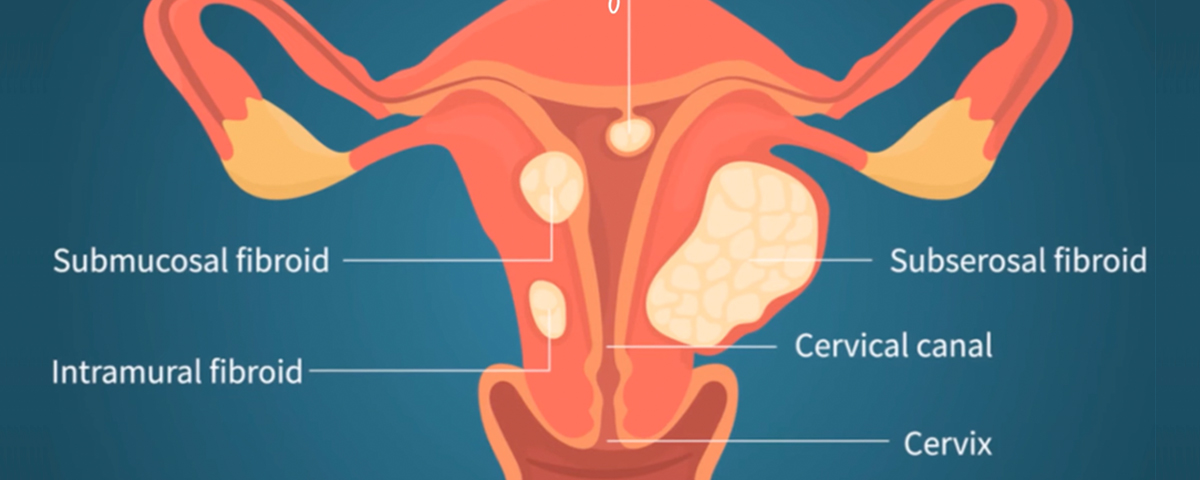
Uterine fibroids are noncancerous (benign) tumors that grow in or around the uterus, also known as the womb. They are very common, especially in women of childbearing age in fact they are most common tumors in women worldwide. While many women with fibroids have no symptoms, some experience heavy bleeding, pelvic pain, and other issues. Fibroids, can also affect fertility and pregnancy.
Fibroid growth is estrogen-dependent, explaining their tendency to appear after onset of puberty and regress after the menopausal transition.
Most fibroids are asymptomatic; and may even be asymptomatic in pregnancy but some may cause spontaneous abortion, abnormal fetal presentation, obstructed labor, an increased likelihood of premature deliveries, caesarean deliveries, and postpartum hemorrhage. Whereas, in the non-pregnant women fibroids are associated with an irregular menstrual cycle often with heavy menstrual bleeding, infertility, constipation and urinary incontinence.
Uterine fibroids are heterogeneous in composition and size among women and within the same individual and vary in number between individuals. In addition, the fibroid pseudo-capsule presents as a fibro-neurovascular structure surrounding a uterine fibroid, separating it from normal peripheral myometrium, the muscle of the uterus. Although benign, uterine fibroids are associated with significant morbidity; they are the primary indication for hysterectomy, and a major source of gynecologic and reproductive dysfunction, ranging from heavy menstrual bleeding and pelvic pain to infertility, recurrent miscarriage, and preterm labor.
The most important and frequently reported risk factor for uterine fibroids is race, disproportionately impacting African American women. Other risk factors include older age, premenopausal state, no children, family history of uterine fibroids, hypertension, food additives, and frequent consumption of soybean milk. On the other hand, protective factors for uterine fibroids include combined oral contraception and having had a child. Other important risk factors include obesity, vitamin D deficiency, excessive vitamin E levels, an altered reproductive tract microbiome.
Classically, uterine fibroids were considered estrogen-dependent tumors, based on their association with reproductive age. The estrogen signaling pathway as a major impactful pathway in uterine fibroids comprises genomic (direct and indirect effects of gene expression) and nongenomic factors. Several aberrations in estrogen receptors and signaling pathways have been implicated in uterine fibroid pathobiology. Recently, another role for estrogen has been identified, specifically, estrogen-induced, progesterone receptor expression and allowing progesterone receptor ligands to act on their target cells. Uterine fibroid cells have been shown to increase the expression of progesterone receptors in response to estradiol. Progesterone and progesterone receptors play a key role in uterine fibroid growth and development. Increased proliferation of uterine fibroid cells in vitro was observed upon exposure to both estradiol and progesterone.
Women are exposed to several exogenous and endogenous factors that can impart pathophysiological alterations in internal organs, including the uterus. Endogenous factors include regular menses and hormonal changes that induce DNA damage through oxidative stress. Fluctuations in circulating estrogen and progesterone levels during the menstrual cycle can lead to increased tumor susceptibility in women, including breast cancer. Additionally, DNA damage and repair, and apoptosis (cell death) occur cyclically in the normal myometrium, the uterine muscle during the follicular phase., the first 14 days of the menstrual cycle. Smooth muscle cells proliferate in the luteal phase the second 14 days of the menstrual cycle, which may be a vulnerable period for DNA damage. These damages need to be properly repaired; otherwise, the hormonal imbalance can lead to diseases. For example, repeated incidents of damage to myometrial cells affect DNA repair activity, which could predispose the uterine environment to chronic inflammation, thereby creating an ideal environment for uterine fibroid development.
Several therapeutic options have been proposed for the medical treatment of fibroids for example “anti-progestin therapy” such as mifepristone (RU-486) which helps shrink fibroids and alleviate symptoms like heavy bleeding and pain by antagonizing progesterone receptors. Given the critical role of estrogen in is not surprising that aromatase inhibitors have been used to reduce the size of fibroids. These therapies are still under investigation, and you should consult your physician on the best way to treat your symptoms.