It’s not the Vaccines it’s the Virus

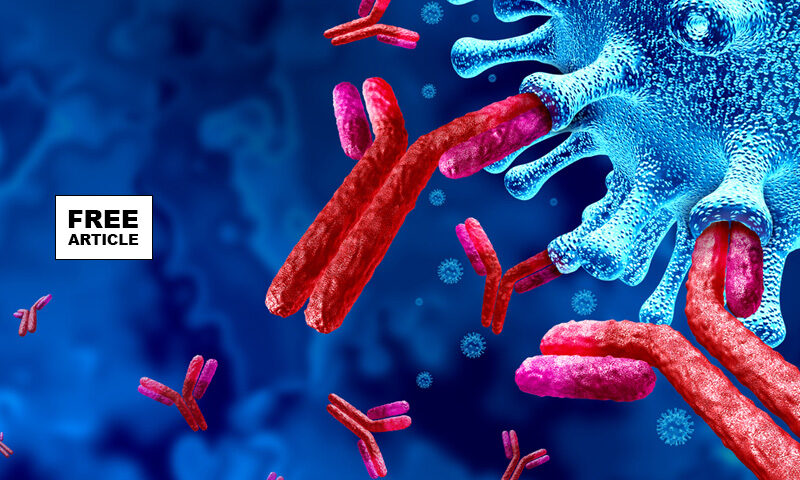
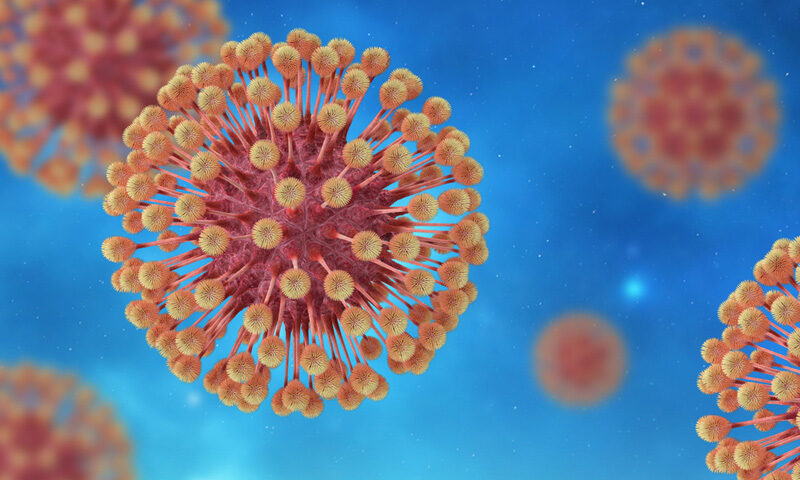
Viral mutation rates play a pivotal role in vaccine development. Mutation rate refers to how often genetic changes occur in a virus’s genome during replication. All vaccines trigger immunity, but how long it lasts depends on several factors. One of the important ones is the rate at which a virus replicates. If a virus replicates quickly, it has a chance to produce more mutations, also known as variants. The more variants emerge, the harder it is to make a vaccine that will create lasting immunity, because the target keeps moving. If a virus is stable, that gives us a big advantage. Measles is an example of a stable virus that is unlikely to replicate, so scientists could predict that immunity would last a long time, which it does." Smallpox and polio, highly contagious viruses that were almost eradicated through vaccination, are also stable with low mutation rates.


Read More
Progesterone

Creation of Life is Not Possible Without Progesterone

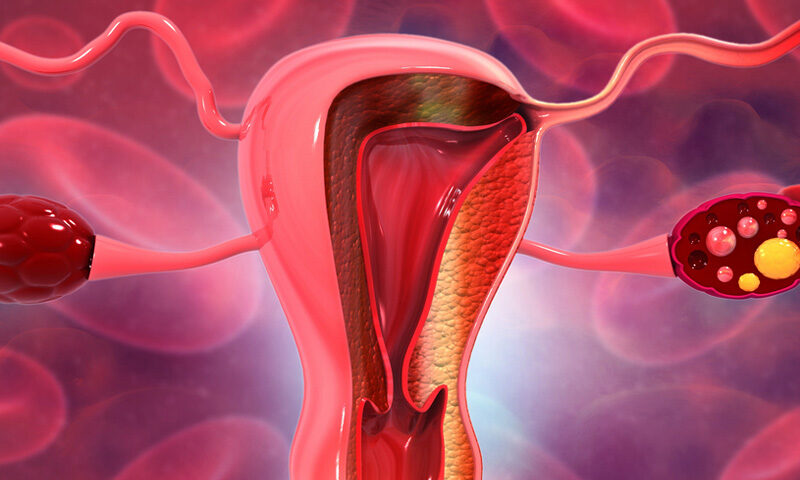
The name progesterone is self-explanatory, it is the Pro Gestational Hormone, essential for pregnancy. However, this steroid hormone is far more than a gestational agent. Progesterone is recognized as a key physiological component of not only the menstrual cycle and pregnancy but also as an essential precursor of other gonadal and non-gonadal hormones such as aldosterone, cortisol, estradiol, and testosterone. Based on current findings, progesterone and novel progesterone-based drugs have many important functions, including contraception, treatment of dysfunctional uterine bleeding, immune response, and prevention of cancer.

Read More
Femtech

Femtech, the Future of Women’s Healthcare

FemTech, short for female technology, refers to software and services that utilize technology to address women's health needs. The emergence of women’s health technologies, or ‘FemTech’, is a significant advancement in women’s healthcare and reproductive rights. These rights, which include the right to abortion, contraception, and equitable fertility treatment, are essential to guaranteeing women’s bodily autonomy and human dignity. The FemTech industry promises to empower women by offering them tools to better understand and manage their reproductive health through a solid empowerment narrative. While offering potential for improved access to healthcare and personalized solutions, FemTech also faces challenges related to data privacy, regulatory issues, and the need for more robust scientific evidence. 

Read More
Osteoporosis

Osteoporosis a Female Curse

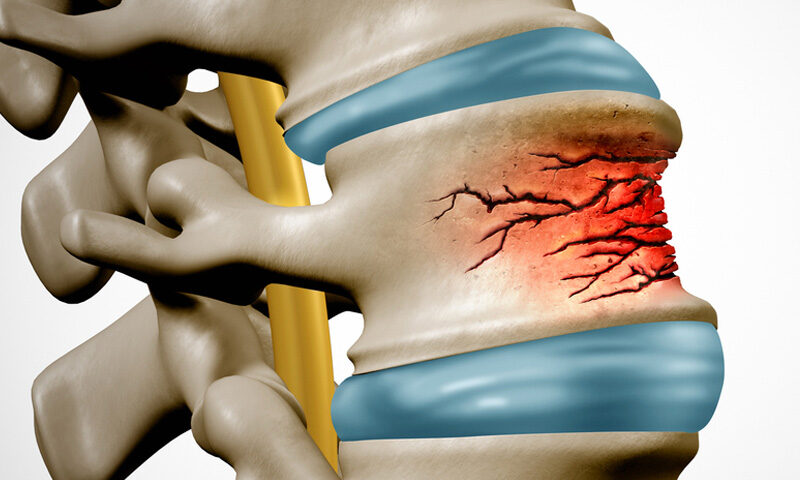
Osteoporosis, a disease which occurs more frequently in women, is characterized by low bone mass and micro-architectural deterioration of bone tissue and is the most common chronic metabolic bone disease. Annually contributing to 8.9 million fractures worldwide. Osteoporosis is associated with considerable morbidity and mortality. The prevalence of osteoporosis increases with age, and in parallel, there is an elevation in the rate of incident fragility fractures. This article explores the origins of bone and examines the physiological mechanisms involved in bone homeostasis relevant to the management and treatment of osteoporosis.

Read More

Frozen Embryo Transfer – The Future of IVF: Advancements in Assisted Reproductive Technology

In the journey of assisted reproductive technology (ART), in-vitro fertilization (IVF) has emerged as a transformative solution for individuals and couples striving to achieve parenthood. Among the various techniques in IVF, Frozen Embryo Transfer (FET) has gained remarkable prominence. Frozen Embryo Transfer, FET involves the cryopreservation of embryos and their subsequent thawing and transfer during a later menstrual cycle. Over the years, FET has demonstrated significant advantages, particularly in yielding higher implantation and pregnancy rates as compared to fresh embryo transfers. This article explores how FET has evolved, the scientific rationale behind its success, and its implications for reproductive medicine.

Read More
Endometriosis

Endometriosis & PCOS Are Epigenetically Predetermined in Utero

Endometriosis is driven by relatively low levels of prenatal and postnatal testosterone. Testosterone affects the developing hypothalamic–pituitary–ovarian (HPO) axis (defined below), and at low levels and it can result in an altered trajectory of reproductive and physiological phenotypes that can mediate the symptoms of endometriosis. A phenotype is defined as a person’s observable characteristics resulting from the interaction of their genetic makeup and the environment. Polycystic ovary syndrome, by contrast, is known to be caused primarily by high prenatal and postnatal testosterone, and it demonstrates a set of phenotypes that are diametrically opposite to those found in endometriosis.

Read More
Autoimmune Diseases in Women

Why Do Autoimmune Diseases Disproportionately Affect Women?

Autoimmune diseases are the third most prevalent disease category, outpaced only by cancer and heart disease. Autoimmune diseases occur when the immune system, which typically defends the body against harmful invaders like bacteria and viruses, begins to attack healthy tissues causing inflammation and damage. These disorders disproportionately affect women, with approximately 80% of all autoimmune disease patients being women. Understanding why these diseases occur more frequently in women, their implications, and how they can be managed is a crucial area of study in modern medical science.

Read More
Herpes Simplex (HSV1)

Herpes Simplex (HSV1) Infection linked to Alzheimers Disease

Alzheimer’s disease is a progressive neurodegenerative condition, and one of the leading causes of dementia. Studies have consistently revealed a greater risk of Alzheimer’s Disease (AD) development in women compared to men, with postmenopausal women exhibiting heightened susceptibility. Alzheimer’s is characterized by memory loss, cognitive decline, and behavioral changes. While the exact cause of Alzheimer's disease remain elusive, recent research has suggested a surprising potential contributor to its development: the herpes simplex virus (HSV), particularly HSV-1.

Read More
Cardiovascular Disease in Women

Cardiovascular Disease in Women Under-Diagnosed and Undertreated

Cardiovascular disease (CVD) affects 6.6 million women in the United States annually and is the leading source of morbidity and mortality among women. Among women diagnosed with cardiovascular disease, 2.7 million have a history of MI - Myocardial Infarction (heart attack). Each year more than 53,000 women die of a heart attacks and 262,000 are hospitalized because of CVD. One in 4 female patients presenting with a first myocardial infarction will die.

Read More
Menstrual Cramps

Menstrual Cramps Dysmenorrhea – More than 50% of Women Suffer for 1 or 2 Days Each Month

Dysmenorrhea is a Greek term for "painful monthly bleeding”. More than half of women who menstruate have some pain for 1 to 2 days each month. Usually, the pain is mild. But for some women, the pain is so severe that it keeps them from engaging in their normal activities for several days each month. Primary dysmenorrhea begins within about 2 years of menarche or once ovulatory cycles have been established.

Read More