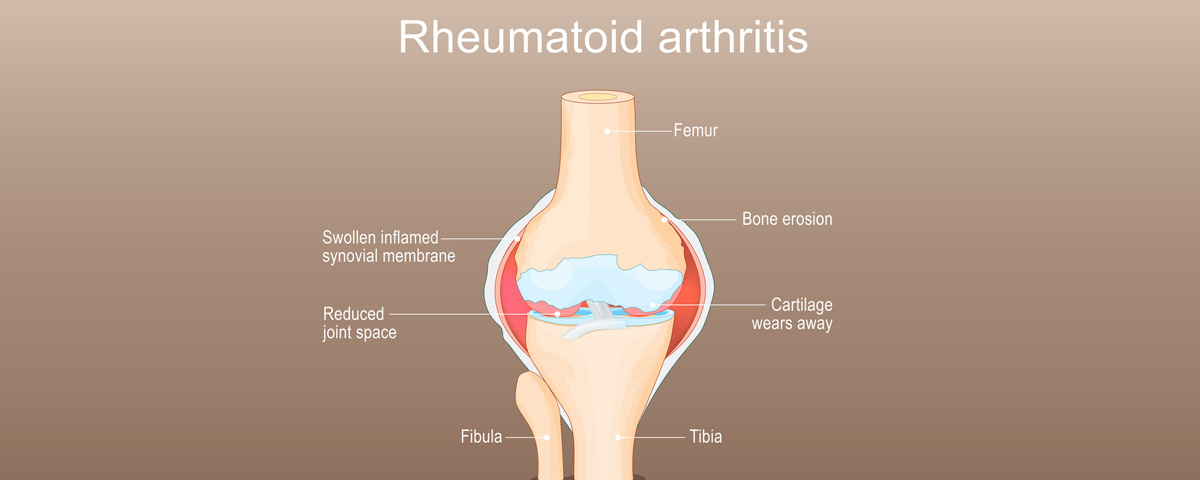
Rheumatoid arthritis (RA) is significantly more prevalent in women than in men, with women being three times more likely to develop the condition. This increased prevalence is likely due to a combination of genetic and hormonal factors. One theory holds that the HLA (Human Leukocyte Antigen) region on the X chromosome is involved in regulating the immune system. Variations in this region can increase the risk of RA. Since women have two X chromosomes, they have a higher chance of inheriting these genetic variations.
Xist (X-inactive specific transcript) is a long non-coding RNA that coats one of the two X chromosomes in women and triggers its epigenetic silencing called XCI. This is essential to balance gene dosage between XX females and XY males. In a normal cell, approximately 50% of cells inactivate the maternal X, and 50% inactivate the paternal X — a process called random epigenetic silencing XCI.
Research suggests that in some women with RA: epigenetic silencing, XCI is incomplete or skewed — meaning that some genes on the “inactive” X chromosome escape silencing. This can lead to overexpression of immune-related genes that are located on the X chromosome (e.g., TLR7, CXCR3), which may enhance immune activation. There’s also evidence of hypomethylation of the inactive X chromosome, suggesting defective silencing mechanisms, potentially involving aberrant Xist – X inactive specific transcript, localization or function. In short: Defective Xist-mediated epigenetic silencing XCI → overactive immune gene expression can thus create a higher autoimmune risk. Xist and XCI could become therapeutic targets for women prone to rheumatoid arthritis – for example restoring XCI in immune cells might help control autoimmunity.
Rheumatoid arthritis (RA) is typically diagnosed based on the presence of symptoms and signs of active joint inflammation; a swollen joint on physical examination consistent with synovitis, inflammation of the lining of the joint as well as biomarkers such as autoantibodies and imaging findings that can demonstrate joint inflammation and/or damage.
There are also 2 categories of clinical RA termed “seropositive” and “seronegative,” defined as the presence or absence, respectively, of serum elevations of autoantibodies, which currently include rheumatoid factor (RF) and/or Anticitrullinated Protein Antibodies (ACPA). After a diagnosis is made, treatment is typically initiated with disease-modifying antirheumatic drug (D-M-A-R-D) therapies that have been established as effective in treating the primary disease manifestation of inflammatory arthritis. For most individuals who are diagnosed with clinical RA, D-M-A-R-D Disease-Modifying Antirheumatic Drug therapy results in improved well-being and function as well as reduced joint damage, with a subset of individuals reaching disease remission and an even smaller subset reaching D-M-A-R-D-free remission. However, for most individuals who develop clinical RA; the disease that will require lifelong therapy, with ongoing adverse effects on well-being and finances. Sustained remission is infrequent (less than 50% of patients in some studies).
There is growing evidence that RA develops in a series of stages. In general, it appears that the natural history of RA begins prior to clinical RA during a period that can be termed “pre-RA,” where genetic and environmental factors interact to drive early breaks in immune tolerance that, to date, have been best identified through blood elevations of autoantibodies, including Rheumatoid Factor RF and Anticitrullinated Protein Antibodies ACPA. although multiple other autoantibodies including anticarbamylated protein (anti CarP), antimalondialdehyde-acetaldehyde (anti-MAA) antibodies,and antipeptidyl arginine deiminase (anti-PAD) antibodie have been identified. These antibodies are elevated, on average, approximately 3 to 5 years prior to a diagnosis. The term “at-risk individual” is often used to describe individuals who exhibit some risk factors for future RA but whose future development of clinical RA is unknown.
There is also growing evidence that although Inflammatory Arthritis IA may not be identifiable on physical examination, features of synovitis or even joint damage may be seen on imaging and can therefore be termed “subclinical Inflammatory Arthritis IA”; further, tenosynovitis, inflammation of the tendon sheath may be one of the first manifestations of RA musculoskeletal (MSK)-related tissue injury. Disease can then progress to overt clinically apparent inflammatory Arthritis IA that is clinically diagnosed as RA and may meets other established classification criteria.
Given the growing understanding of the pre-RA state and prediction models for future RA, multiple clinical trials aimed at preventing the first onset of clinical RA have been implemented. These trials are further underpinned by the “window of opportunity” concept, where earlier treatment once an individual has clinical RA leads to improved long-term outcomes and therefore moving interventions into a pre-RA period may prevent or delay the onset of clinical RA.
Importantly, growing interest in this area and the huge potential for improvements in the public health impact of this disease is driving even more studies in understanding the biology of disease development. developing effective preventive interventions is a priority; efforts are also underway in other rheumatic autoimmune diseases such as systemic lupus erythematosus and psoriatic arthritis.
Sources