Testosterone

Testosterone – The Key to Desire and Fertility in Women

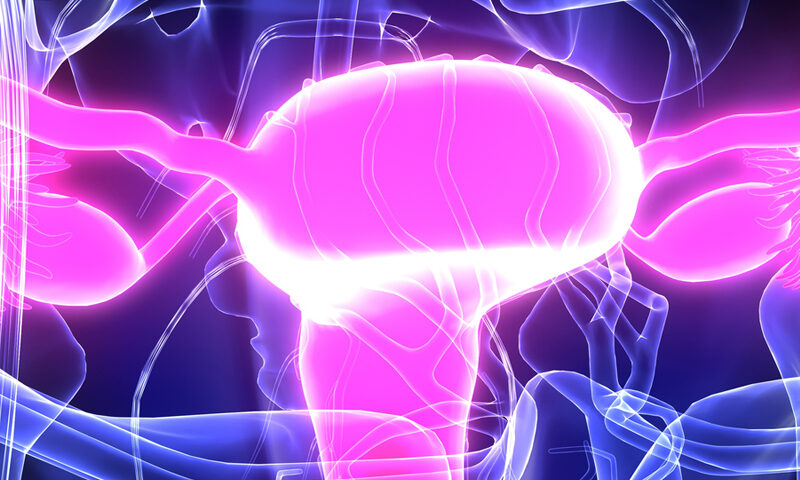
Testosterone plays an important but often underappreciated role in women’s health. Although it is typically regarded as a “male” hormone, women also produce testosterone in smaller amounts—mainly in the ovaries, adrenal glands, and peripheral tissues. It functions as both an androgen and a precursor for estrogen synthesis, influencing a wide range of physiological systems.


Scent of A Woman

The Scent of a Woman

In many species, female body odors reflect their reproductive status, and odors around the time of ovulation attract males, resulting in behavioral and/or physiological changes. In humans, several studies have suggested that female body odor signals periods of high fertility. For instance, vaginal secretions collected during the preovulatory and ovulatory phases are rated as more pleasant than those from the menstrual, early luteal, or late luteal phases. 

Reproductive Aging

Understanding Reproductive Aging and the Role of Anti-Müllerian Hormone (AMH)

Reproductive aging in women is primarily due to the gradual reduction in the number of eggs (oocytes) over time. Oocytes cannot be reproduced, and while some develop and are released during ovulation, many others diminish as they become non-viable follicles and eventually disappear. This natural decline continues until menopause, at which point fertility ends entirely. Before menopause, fertility declines mainly due to the increased presence of oocytes with abnormal chromosomes (aneuploidy), which affects their viability.

Ploygenic Embryo Testing

Polygenic Embryo Testing in IVF Can It Predict IQ?

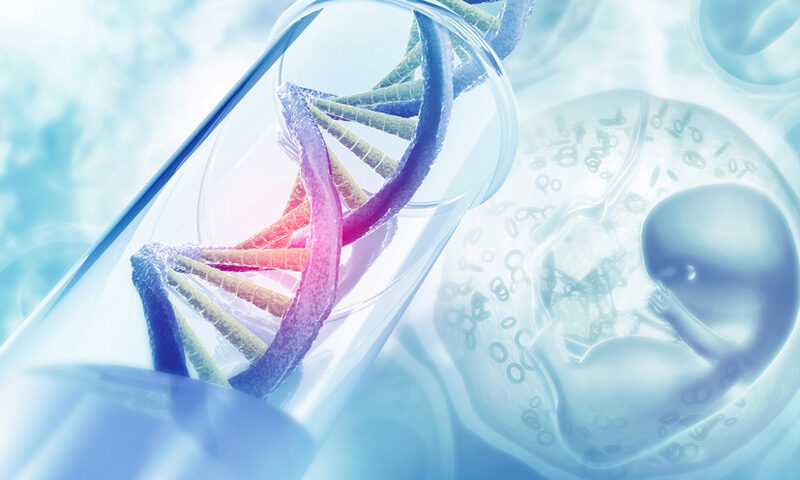
Preimplantation Genetic Testing (PGT) has been used in various forms over the last two decades. Preimplantation Genetic Testing PGT involves testing early embryos following in vitro fertilization, IVF, and has now become an accepted part of genetic testing. Nowadays, PGT serves as a resource for couples who have a family history of monogenic (single gene) disorders, wherein the fetus is at high risk of inheriting the condition.

Breastfeeding

Breastfeeding – Mother Nature Thinks of Everything

Breastfeeding is the most efficient intervention for reducing infant morbidity and mortality, offering benefits for both infants and mothers. Despite extensive promotion, global adherence remains below 50 %. Breastfeeding offers numerous benefits for both infants and mothers, including providing optimal nutrition and immunological protection for the baby and reducing the risk of certain diseases for the mother. 

Preterm Birth

The Role of Lactobacillus in Preterm Birth

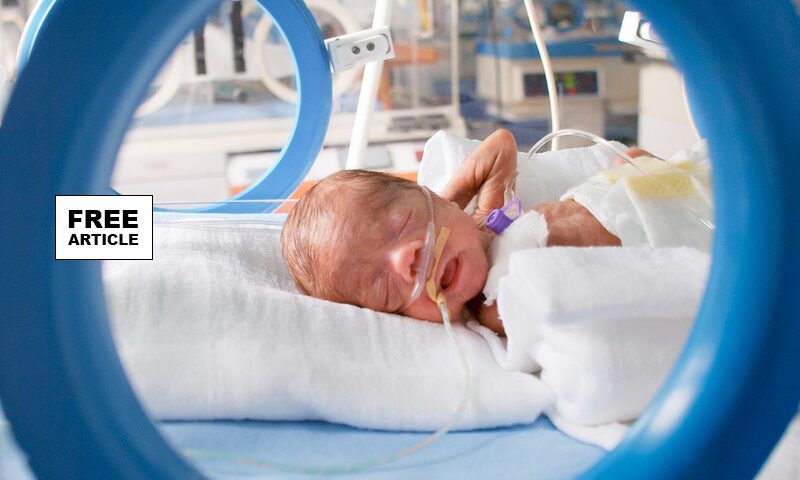
The vaginal microbiome plays an important role in influencing pregnancy outcome. Dominance of the vaginal niche by Lactobacillus species has been widely reported to be associated with a healthy, full-term pregnancy, specifically Lactobacillus crispatus. In contrast, diverse microbial communities depleted of Lactobacillus species and enriched with bacteria associated with Bacterial Vaginosis; a clinical syndrome characterized by vaginal discharge odor and polymicrobial overgrowth, increases the risk of adverse pregnancy outcomes including miscarriage and preterm birth. Preterm birth represents a significant global health burden.

Pre Implantation Genetic Testing

Preimplantation Genetic Testing in IVF Should be a Routine Precaution

Since the introduction of pre-implantation genetic testing PGT in assisted reproductive technology, it has become a routine to examine for missing or extra chromosomes known as aneuploidy, genetic disorders, and chromosome structural rearrangements in embryos. These tests are mainly used by couples with advanced maternal age, recurrent pregnancy loss, repeated implantation failure, or a family history of genetic diseases.

Progesterone

Creation of Life is Not Possible Without Progesterone

The name progesterone is self-explanatory, it is the Pro Gestational Hormone, essential for pregnancy. However, this steroid hormone is far more than a gestational agent. Progesterone is recognized as a key physiological component of not only the menstrual cycle and pregnancy but also as an essential precursor of other gonadal and non-gonadal hormones such as aldosterone, cortisol, estradiol, and testosterone. Based on current findings, progesterone and novel progesterone-based drugs have many important functions, including contraception, treatment of dysfunctional uterine bleeding, immune response, and prevention of cancer.

Frozen Embryo Transfer – The Future of IVF: Advancements in Assisted Reproductive Technology

In the journey of assisted reproductive technology (ART), in-vitro fertilization (IVF) has emerged as a transformative solution for individuals and couples striving to achieve parenthood. Among the various techniques in IVF, Frozen Embryo Transfer (FET) has gained remarkable prominence. Frozen Embryo Transfer, FET involves the cryopreservation of embryos and their subsequent thawing and transfer during a later menstrual cycle. Over the years, FET has demonstrated significant advantages, particularly in yielding higher implantation and pregnancy rates as compared to fresh embryo transfers. This article explores how FET has evolved, the scientific rationale behind its success, and its implications for reproductive medicine.