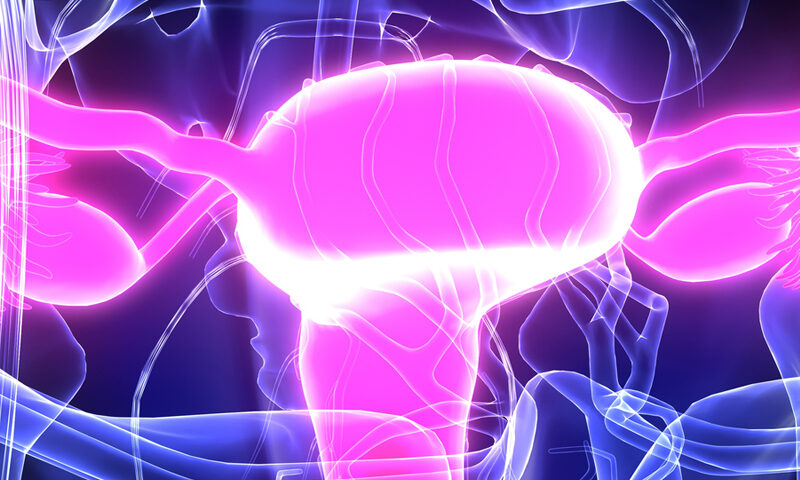
Who Has the Right to Reproduce? IVF Access Explained

Debates over the right to reproduce in the United States sit at the intersection of constitutional law, ethics, economics, and healthcare policy. Although the Supreme Court has historically recognized procreation as a fundamental liberty interest, questions remain about what this right means in practice—particularly as reproductive technologies such as IVF, donor gametes, surrogacy, and preimplantation genetic testing become more common and more expensive.

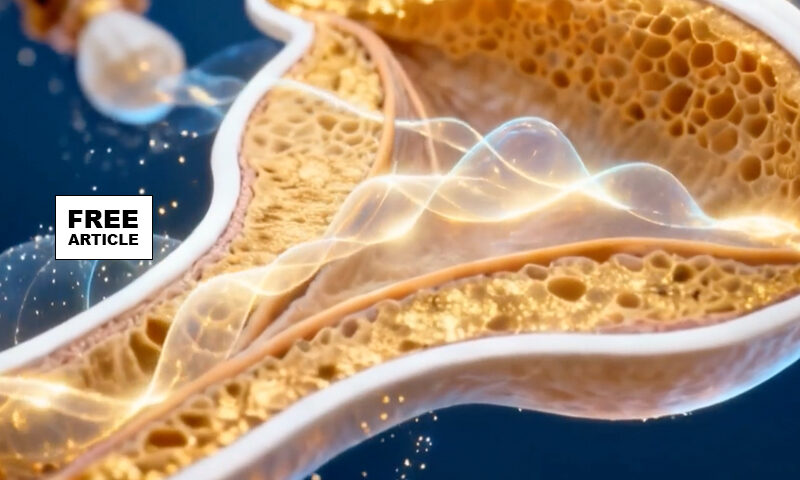
Infertility Causes

Infertility Part 1: Root Causes

Infertility is defined by the American College of Obstetricians and Gynecologists as the inability to become pregnant after 12 months or more of unprotected intercourse for women under 35 and after six months for women over 35.

Infertility in women can stem from a variety of root causes, often involving complex interactions between hormonal, structural, and physiological factors.

Infertility Part 2: How Doctors Help Couples Conceive Without IVF

Non-IVF fertility treatments include lifestyle changes, medications to stimulate ovulation (like Clomid), intrauterine insemination (IUI), and less common approaches like restorative reproductive medicine. Treatment choices depend on the cause of infertility, with methods like ovulation induction or IUI being less invasive and costly than IVF but having lower success rates. 

IVF (In Vitro Fertilization)

Infertility Part 3: IVF and the Future of Fertility Medicine

In vitro fertilization (IVF) is an assisted reproductive technology (ART) designed to help individuals and couples achieve pregnancy. The process involves several meticulously coordinated steps to facilitate fertilization outside the body. It begins with ovarian stimulation, where fertility medications such as FSH are administered to encourage the ovaries to produce multiple mature eggs instead of the usual single egg per cycle.

Sperm and Egg

Sperm Can Wait, the Egg Can’t

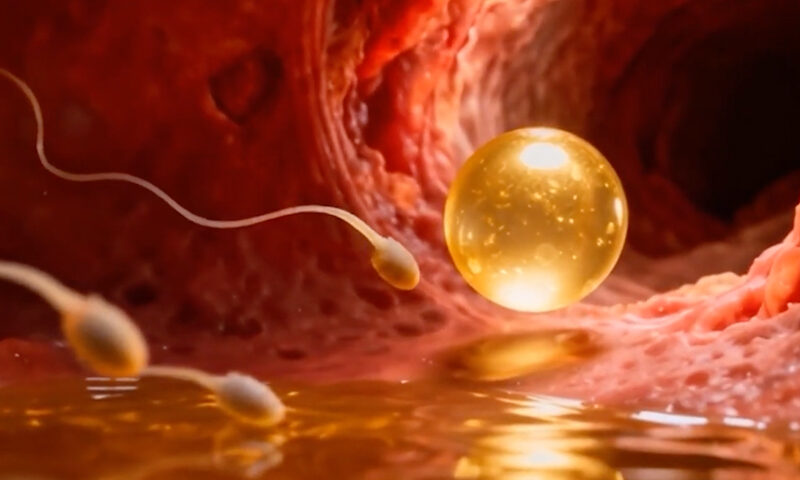
The timing of sexual intercourse in relation to ovulation strongly influences the chance of conception. In the days leading up to ovulation, rising estrogen levels cause the cervix to produce thin, watery, and highly permeable mucus that facilitates sperm passage, creating an optimal environment for fertilization. During ovulation, progesterone plays a crucial role in transforming cervical mucus from a receptive, fertile state to a less hospitable one.

Oral Contraceptives

Why Oral Contraceptives are Still the Method of Choice

Oral contraceptives are highly effective in preventing pregnancy when taken consistently and correctly, boasting a success rate of over 99%. These contraceptives typically combine synthetic forms of estrogen and progestin, which work synergistically to inhibit ovulation by suppressing the release of follicle-stimulating hormone (FSH) and luteinizing hormone (LH) from the pituitary gland. Additionally, oral contraceptives thicken cervical mucus, creating a barrier to sperm entry, and alter the endometrial lining, making it less receptive to a fertilized egg.

Infection

Pregnant Women Are Moree Vulnerable to Infection

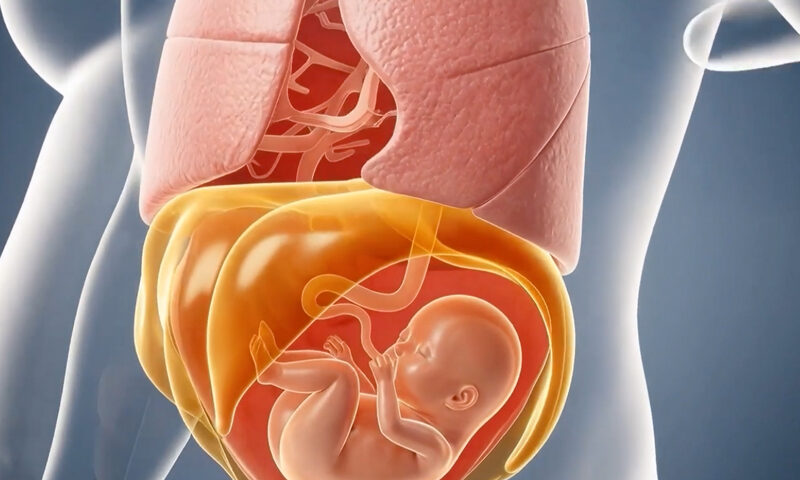
Pregnant women are more vulnerable to infections and tend to experience more severe symptoms due to several physiological and immunological changes that occur during pregnancy. The immune system undergoes modifications to accommodate and protect the developing fetus, which is genetically distinct from the mother.

Testosterone

Testosterone – The Key to Desire and Fertility in Women

Testosterone plays an important but often underappreciated role in women’s health. Although it is typically regarded as a “male” hormone, women also produce testosterone in smaller amounts—mainly in the ovaries, adrenal glands, and peripheral tissues. It functions as both an androgen and a precursor for estrogen synthesis, influencing a wide range of physiological systems.

Scent of A Woman

The Scent of a Woman

In many species, female body odors reflect their reproductive status, and odors around the time of ovulation attract males, resulting in behavioral and/or physiological changes. In humans, several studies have suggested that female body odor signals periods of high fertility. For instance, vaginal secretions collected during the preovulatory and ovulatory phases are rated as more pleasant than those from the menstrual, early luteal, or late luteal phases. 

Reproductive Aging

Understanding Reproductive Aging and the Role of Anti-Müllerian Hormone (AMH)

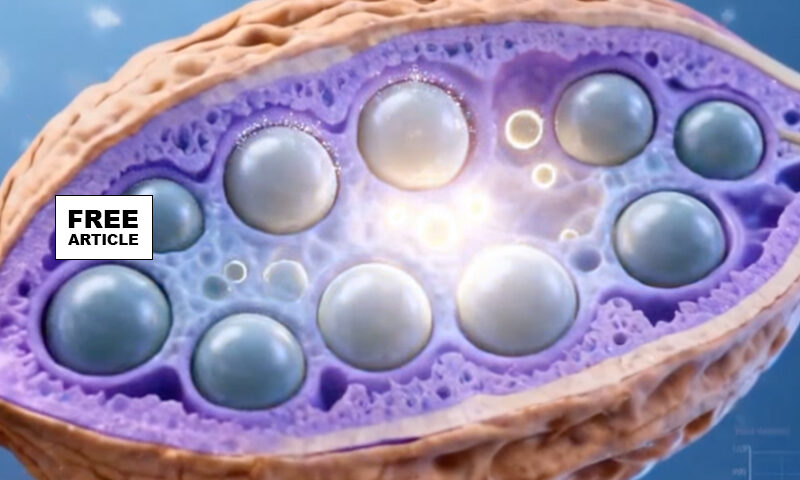
Reproductive aging in women is primarily due to the gradual reduction in the number of eggs (oocytes) over time. Oocytes cannot be reproduced, and while some develop and are released during ovulation, many others diminish as they become non-viable follicles and eventually disappear. This natural decline continues until menopause, at which point fertility ends entirely. Before menopause, fertility declines mainly due to the increased presence of oocytes with abnormal chromosomes (aneuploidy), which affects their viability.