Cytomagalovirus

Can We Prevent Cytomegalovirus (CMV) In Pregnancy and the Harm to the New Born?

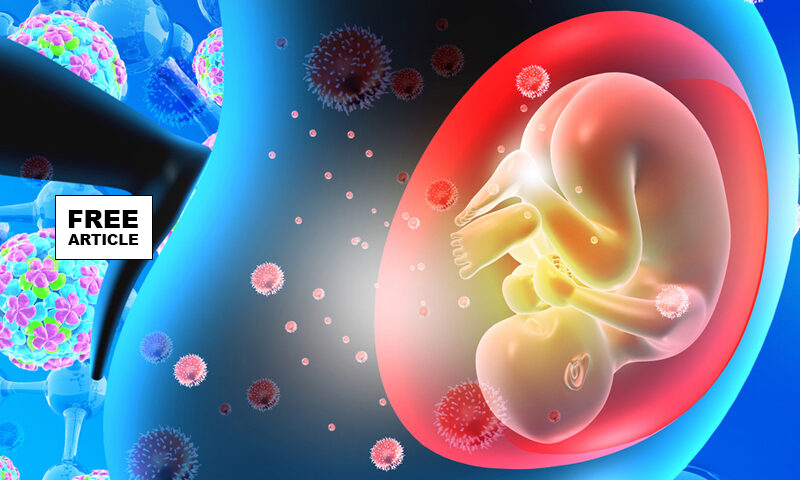
Cytomegalovirus (CMV) infection during pregnancy is a significant concern due to its potential to cause congenital CMV, which can lead to serious neonatal complications such as hearing loss, visual impairment, intellectual disability, and developmental delays. CMV is a common herpesvirus with a high prevalence worldwide, and primary infection during pregnancy poses a high risk of vertical transmission to the new born and severe fetal outcomes.

Bacterial Vaginosis (BV) The most Common Vaginal Infection

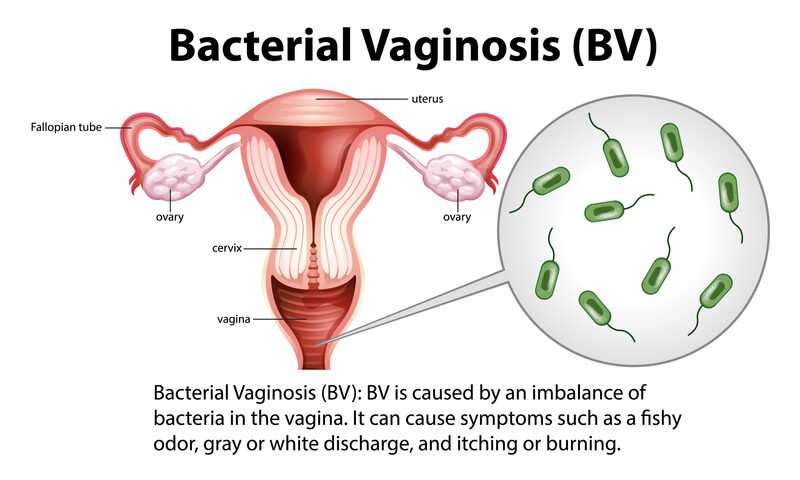
Bacterial vaginosis (BV) is caused by an imbalance of the naturally occurring vaginal flora, characterized by both a change in the most common type of bacteria present as well as an increase in the total number of bacteria present.  Lactobacillus species dominates normal vaginal microbiota. Bacterial vaginosis is associated with a decline in the overall number of lactobacilli. Most bacterial vaginosis infections start with the organism Gardnerella vaginosis, which creates a biofilm that subsequently provides a conducive environment for the proliferation of other opportunistic bacteria. G vaginalis also produces vaginolysin, a pore-forming toxin affecting human cells. 

PMS

What Causes PMS?

Premenstrual Syndrome (PMS) is a common disorder affecting women of reproductive age. Many women experience dysphoria and physical symptoms approximately two weeks before menstruation. The discomfort, both physical and psychological, is associated with the luteal phase, the second half of the menstrual cycle, and typically resolves when menstruation ends. The global prevalence of premenstrual syndrome is estimated at 47.8%, while the most severe form of PMS - Premenstrual Dysphoric Disorder (PMDD) affects 3-8% of women of reproductive age. The most common psychological symptoms of PMS include irritability, tearfulness, anxiety, and depressed mood. Physical ones, on the other hand, mainly involve abdominal bloating, breast tenderness, and headaches.

Menstrual Cramps

Menstrual Cramps Dysmenorrhea – More than 50% of Women Suffer for 1 or 2 Days Each Month

Dysmenorrhea is a Greek term for "painful monthly bleeding”. More than half of women who menstruate have some pain for 1 to 2 days each month. Usually, the pain is mild. But for some women, the pain is so severe that it keeps them from engaging in their normal activities for several days each month. Primary dysmenorrhea begins within about 2 years of menarche or once ovulatory cycles have been established.

Fibroids – Ubiquitous Benign Tumors

Uterine fibroids are common growths of the uterus. They often appear during the reproductive years. Uterine fibroids are not cancer, and they rarely turn into cancer. They aren't linked with a higher risk of other types of cancer in the uterus either. They're also called leiomyomas (lie-o-my-O-muhs) or myomas.

Most fibroids are asymptomatic and may even be asymptomatic during pregnancy. However, in some cases, they may interfere with conception or can cause spontaneous abortion, missed abortions, abnormal fetal presentation, obstructed labor, an increased likelihood of premature deliveries, and postpartum hemorrhage. Whereas, in non-pregnant women, fibroids are associated with an irregular menstrual cycle, often with heavy menstrual bleeding, infertility, constipation, urinary incontinence, and leiosarcoma transformation (a rare aggressive cancer). Uterine fibroids can occur in non-pregnant women and then continue into pregnancy or may develop de novo in pregnancy.