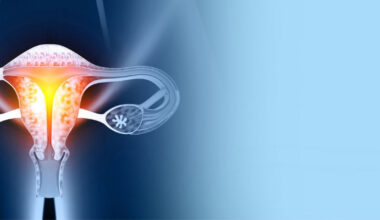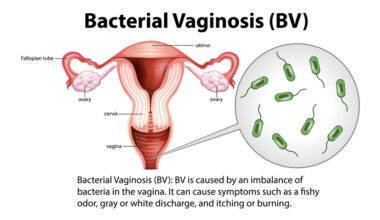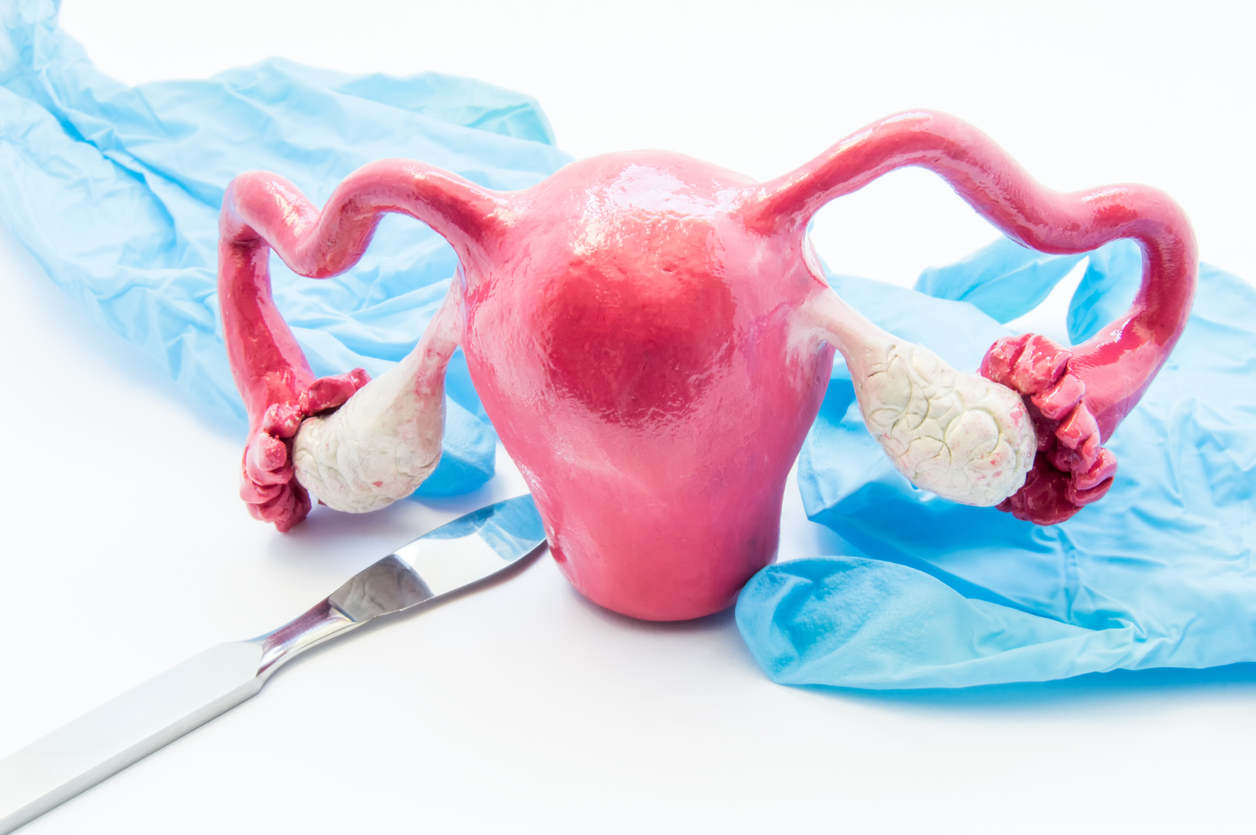
Hysterectomies are still widely overperformed in the United States when compared to other western countries. In the U.S. 33% of women will undergo a hysterectomy by age 60. That compares to 20% at the same age in the UK and Germany and only 10 to 15% in France. France has long been the leader in offering less invasive medical therapy for common conditions such as fibroids and abnormal uterine bleeding. However, there is hope, in the 1990’s hysterectomies were performed on 600 per 100,000 women per year in the U.S. That number has subsequently dropped by 50% over the last three decades but the rate remains disproportionately high. Studies suggest that a significant percentage of the 600,000 hysterectomies, performed annually in the U.S., may be unnecessary. Part of the reason is medical training and practice. U.S. gynecologists are trained as surgeons and practice as surgeons whereas approximately 50% of French gynecologists practice as surgeons and the other 50% practice as medical gynecologists. The obvious result is that U.S. gynecologists are more likely to opt for a surgical rather than a medical option.
Hysterectomy can be a difficult choice for women, with sexual and psychological changes that may led to a non-negligible risk of post-traumatic stress. Therefore, a woman who must undergo this surgery should know all her options.
Today there are numerous less invasive surgical alternatives to hysterectomies for common conditions such as fibroids and abnormal uterine bleeding:
- Hormonal therapies: Birth control pills, progestin-releasing IUDs (like Mirena), and other hormonal medications can help regulate menstrual cycles, reduce heavy bleeding, and potentially shrink fibroids.
- Myomectomy:This surgery removes fibroids while preserving the uterus. It can be performed using different approaches, including laparoscopic, robotic-assisted, or hysteroscopic
- Endometrial Ablation: This procedure destroys the uterine lining and can be effective for managing heavy bleeding.
- Uterine Fibroid Embolization: This procedure blocks the blood supply to fibroids, causing them to shrink.
- Radiofrequency Ablation: Uses heat to destroy fibroids, reducing their size and related symptoms.
- Laparoscopic Myolysis: This procedure uses heat or laser to destroy fibroids through small incisions, often with the aid of robotic assistance
The prevalence of hysterectomies may lead women to believe that they are benign. But they can be incredibly damaging. Many women report reduced libido and sexual sensation likely due to severing of nerves and blood vessels and possibly other mechanisms. Personality changes are also a common complaint. There are additional risks of having the uterus removed. Hysterectomy can lead to bladder and bowel dysfunction, prolapse, and incontinence as well as a 4-fold increased risk of pelvic organ fistula surgery.
Approximately 10% of hysterectomies are done for a cancer diagnosis making most of the remaining 90% unnecessary. Despite the low lifetime risk of all gynecologic cancers (uterine/endometrial being highest at 2.9%), a U.S. woman’s lifetime risk of hysterectomy is 45%. Hysterectomy is commonly recommended for any and all menstrual irregularities and even benign ovarian cysts or masses. In other specialties, the diseased tissue is removed, not the entire organ.
The removal of the ovary/oophorectomy (castration) rate is also alarmingly high. Based on seven years of discharge data, the oophorectomy rate averaged 71% of the hysterectomy rate. The majority of oophorectomies are “prophylactic” despite the average woman’s 1.3% lifetime risk of ovarian cancer. Even when ovarian masses or cysts need to be removed, the ovary is oftentimes removed instead of just the cyst (cystectomy).
Most disturbing of all, removal of the ovaries to prevent ovarian cancer is illogical and a “through back” to a less enlightened medical age. Historically ovarian cancer was thought to originate in the Ovary. However, that has been debunked. We now know most ovarian cancers originate in the fallopian tubes. Recent studies have shown that high grade serous ovarian cancers begin in the far end of the fallopian tubes especially the fimbriae, the finger like projection at the end of the fallopian tubes closest to the ovaries. Removing the fallopian tubes (salpingectomy) eliminates the sites where ovarian cancer typically develops. Studies have shown that women who undergo salpingectomy have a significantly lower risk of developing ovarian cancer. Additionally, in the highest risk group for ovarian cancer BRCA positive women performing salpingectomy, just removing the fallopian tubes has been shown to be just as effective in preventing ovarian cancer as a complete salpinpo-oophorectomy, removing both the fallopian tubes and ovaries.
In recent years, the rate of the surgical uterus removal has decreased due to the development of screening and prevention programs, including ultrasonography, diagnostic hysteroscopy and the advancement of minimally invasive surgery techniques, such as endometrial ablation for abnormal uterine bleeding, vaginal and hysteroscopic myomectomy primarily used to treat fibroids, and/or the use of hormonal therapies. However, the use of hysterectomy and oophorectomy remains disturbingly high when numerous less invasive procedures exit to treat uterine disorders and shockingly most oophorectomies are done to prevent ovarian cancer based on a flawed premise that ovarian cancer originates in the ovary.
Sources
https://pmc.ncbi.nlm.nih.gov/articles/PMC9737634/
https://lowninstitute.org/guest-post-the-madness-of-unnecessary-hysterectomy-has-to-stop/