The medical treatment of endometriosis focuses on managing symptoms, particularly pain, and improving fertility outcomes by addressing the hormonal imbalances and inflammation associated with the condition. A common first-line treatment involves hormonal therapy aimed at reducing estrogen levels, which fuel the growth of endometriotic lesions. Oral contraceptives, containing a combination of estrogen and progestin, help regulate hormonal fluctuations and reduce menstrual flow, thereby alleviating symptoms. Progestin-only therapies, such as medroxyprogesterone acetate or the levonorgestrel-releasing intrauterine device (IUD), work by thinning the endometrial lining and suppressing ovulation, which decreases the activity of endometriotic tissue. Gonadotropin-releasing hormone (GnRH) agonists and antagonists are more potent options that induce a menopausal-like state, significantly lowering estrogen production and leading to the shrinkage of endometriotic lesions, though they can cause menopausal side effects like hot flashes and bone density loss. Aromatase inhibitors, which block estrogen production even further, are sometimes used in conjunction with other hormonal therapies. Non-hormonal options include nonsteroidal anti-inflammatory drugs (NSAIDs) like ibuprofen, which help manage pain and inflammation. While these treatments are effective for symptom management and reducing lesion size, they do not cure endometriosis, and symptoms often recur after discontinuation. Consequently, treatment plans must be tailored to individual needs, addressing both symptom relief and fertility goals, with consideration for potential side effects and long-term management strategies.
Surgical options for treating endometriosis are pursued when medical management is insufficient, particularly in cases of severe pain, significant anatomical distortion, or when fertility preservation is a primary concern. Laparoscopy is the most common surgical approach and serves both diagnostic and therapeutic purposes. During this minimally invasive procedure, surgeons use a camera and specialized instruments inserted through small abdominal incisions to identify and remove or ablate endometriotic lesions. Excision involves cutting out visible endometriotic tissue, adhesions, and cysts, such as ovarian endometriomas, while preserving as much healthy tissue as possible. This technique is highly effective in relieving pain and improving fertility outcomes, as it can restore the normal anatomy of the pelvic organs. Ablation, using methods like electrocoagulation or laser, destroys endometriotic tissue on the surface. In more severe cases, extensive surgery may be necessary to remove deep infiltrating endometriosis affecting other organs, such as the bowel or bladder. In rare instances, a hysterectomy, the removal of the uterus, may be considered for women who do not desire future pregnancies and have debilitating symptoms unresponsive to other treatments. While surgery can provide significant pain relief and improve fertility, endometriosis can recur, necessitating ongoing management and close follow-up care to address any recurring symptoms and maintain quality of life.
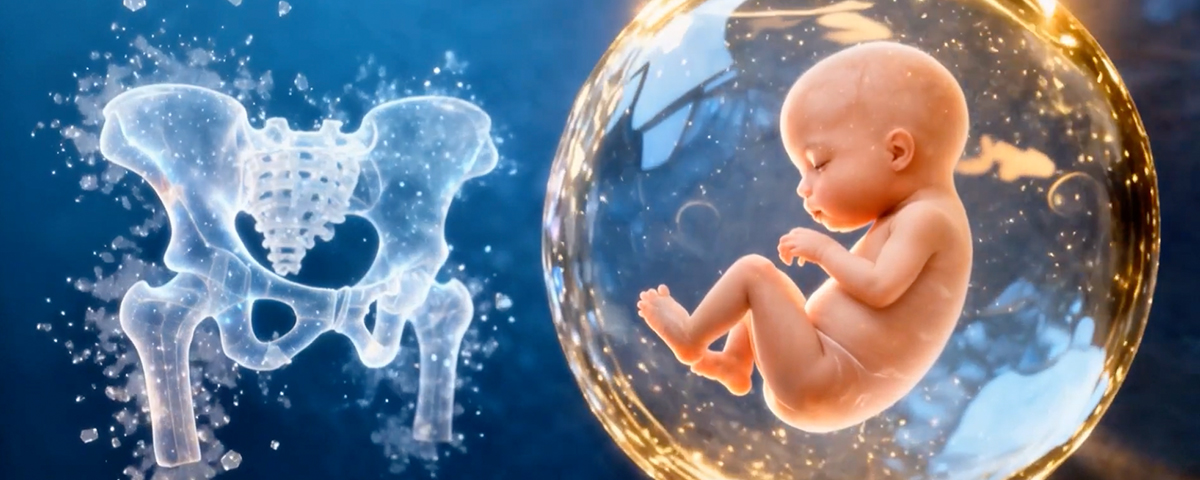
Pregnancy generally has a significant impact on endometriosis, often leading to a temporary alleviation of symptoms. The hormonal environment during pregnancy is characterized by high levels of progesterone and low levels of estrogen, which creates a hostile setting for the growth and survival of endometriotic lesions. This hormonal shift typically causes the lesions to shrink or become inactive, resulting in decreased pain, inflammation, and endometriotic activity during pregnancy. Additionally, the immune response changes, reducing the inflammatory processes associated with endometriosis. As a result, many women experience relief from symptoms such as pelvic pain and dysmenorrhea during pregnancy. However, this improvement is usually temporary; after delivery and the return of normal hormonal cycles postpartum, endometriotic lesions can reactivate and symptoms may recur. Some women may also experience new or worsening symptoms postpartum, especially if conception was achieved through assisted reproductive technologies or if residual lesions persist. Overall, pregnancy provides a natural, hormonal-based suppression of endometriosis in most cases, but the condition often relapses or persists long-term if not managed effectively.
The long-term prognosis for endometriosis varies considerably among individuals, largely depending on the severity of the disease, the effectiveness of treatment, and the presence of associated complications. While some women experience significant symptom relief through medical or surgical management, others may continue to suffer from chronic pelvic pain, infertility, and ongoing inflammation. Recurrence of endometriotic lesions is common, especially if surgery is performed without adjunctive hormonal therapy, meaning symptoms can reappear years after initial treatment. Despite these challenges, many women can manage their symptoms effectively with ongoing medical therapy, lifestyle modifications, and careful monitoring. Fertility outcomes also vary; some women achieve pregnancy naturally or with assisted reproductive technologies, while others face persistent infertility issues. Moreover, endometriosis is associated with an increased risk of developing other health problems, such as ovarian cysts, adhesions, and in rare cases, malignant transformation of endometriotic tissue.
Menopause typically leads to a significant reduction or complete resolution of endometriosis symptoms due to the dramatic decline in estrogen and progesterone levels, hormones that fuel the growth and activity of endometriotic lesions. The decreased hormonal stimulation causes existing endometrial implants to shrink and become inactive, resulting in relief from pelvic pain, dysmenorrhea, and pelvic tenderness that are hallmark symptoms of the condition. Additionally, the inflammatory processes associated with endometriosis are dampened in the low-estrogen environment of menopause, further decreasing disease activity. However, in some cases, residual endometriotic tissue can persist or become dormant and may reactivate if hormone replacement therapy (HRT) is used post-menopause, especially with estrogen-alone formulations. Moreover, in women with a history of endometriosis, even post-menopause, there remains a rare risk of malignant transformation of residual endometriotic tissue, particularly in ovarian tumors. Overall, menopause generally results in a favorable prognosis regarding endometriosis, with most women experiencing symptom relief, but careful management is necessary if hormone therapy is involved to prevent reactivation or complications.