Herpes Simplex (HSV1)

Herpes Simplex (HSV1) Infection linked to Alzheimers Disease

Alzheimer’s disease is a progressive neurodegenerative condition, and one of the leading causes of dementia. Studies have consistently revealed a greater risk of Alzheimer’s Disease (AD) development in women compared to men, with postmenopausal women exhibiting heightened susceptibility. Alzheimer’s is characterized by memory loss, cognitive decline, and behavioral changes. While the exact cause of Alzheimer's disease remain elusive, recent research has suggested a surprising potential contributor to its development: the herpes simplex virus (HSV), particularly HSV-1.

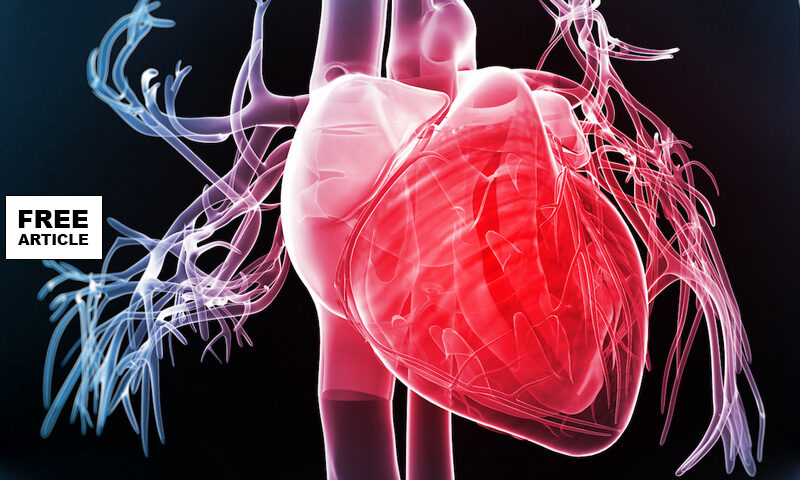
Cardiovascular Disease in Women

Cardiovascular Disease in Women Under-Diagnosed and Undertreated

Cardiovascular disease (CVD) affects 6.6 million women in the United States annually and is the leading source of morbidity and mortality among women. Among women diagnosed with cardiovascular disease, 2.7 million have a history of MI - Myocardial Infarction (heart attack). Each year more than 53,000 women die of a heart attacks and 262,000 are hospitalized because of CVD. One in 4 female patients presenting with a first myocardial infarction will die.

Menstrual Cramps

Menstrual Cramps Dysmenorrhea – More than 50% of Women Suffer for 1 or 2 Days Each Month

Dysmenorrhea is a Greek term for "painful monthly bleeding”. More than half of women who menstruate have some pain for 1 to 2 days each month. Usually, the pain is mild. But for some women, the pain is so severe that it keeps them from engaging in their normal activities for several days each month. Primary dysmenorrhea begins within about 2 years of menarche or once ovulatory cycles have been established.

Removal of Fallopian Tube

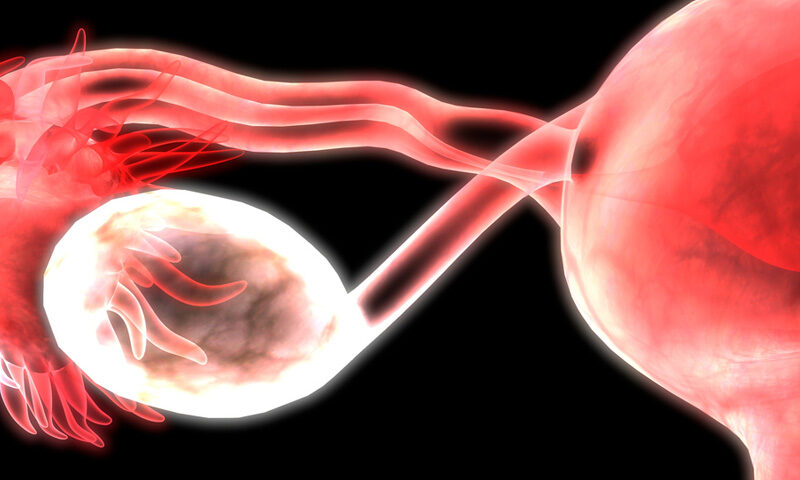
Removal of the Fallopian Tubes (Salpingectomy) May Preserve Fertility and Prevent Ovarian Cancer Particularly in BRCA-Positive Women

Ovarian cancer is one of the leading causes of cancer deaths among women. A woman's risk of getting ovarian cancer during her lifetime is about 1 in 91. Her lifetime chance of dying from ovarian cancer is about 1 in 143. This cancer mainly develops in older women. About half of the women who are diagnosed with ovarian cancer are 63 years or older.

Uterine Cancer

Uterine Cancer Underdiagnosed and Fatal

Uterine cancer deaths could soon outnumber deaths from ovarian cancer. Uterine cancer will affect about 66,200 women in 2023 in the U.S. — and around 13,000 will die from the disease annually. Uterine cancer, also known as womb cancer, refers to cancers that develop in the uterus. 

Breast Density and Breast Cancer Risk

Among all risk factors, breast density is the most important predictor of breast cancer risk. Increase in breast cancer risk from lowest to highest breast density category is on the order of fivefold depending on the age of the patient, with greater relative risk in older women. Mammographic density, when added to the factors used in predictive models, increase the power of prediction and thus is independent of other risk factors.

Are Estrogens Neuroprotective – Do they Slow or Prevent Alzheimers?

Estrogens are pivotal regulators of brain function, exerting profound effects from early embryonic development to aging. Extensive experimental evidence underscores the multifaceted protective roles of estrogens on neurons and neurotransmitter systems, particularly in the context of Alzheimer’s Disease (AD). Studies have consistently revealed a greater risk of Alzheimer’s Disease (AD) development in women compared to men, with postmenopausal women exhibiting heightened susceptibility. This connection between hormone levels and long-term estrogen deprivation highlights the significance of estrogen signaling in Alzheimer’s Disease (AD) progression.