Cytomagalovirus

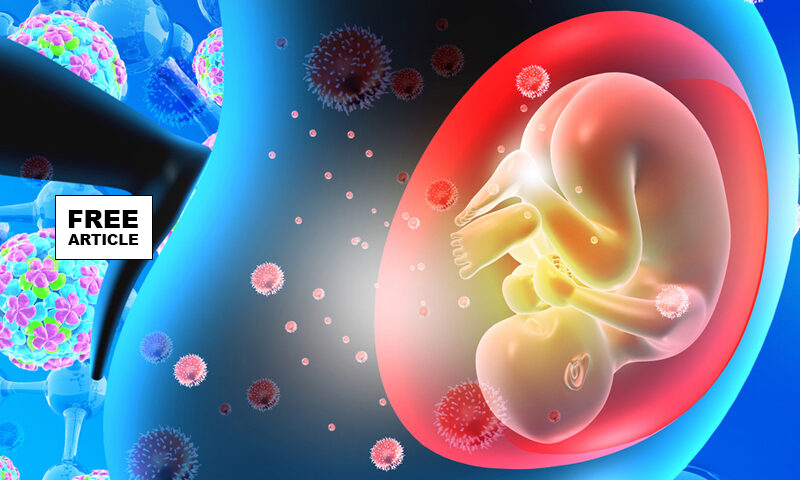
Can We Prevent Cytomegalovirus (CMV) In Pregnancy and the Harm to the New Born?

Cytomegalovirus (CMV) infection during pregnancy is a significant concern due to its potential to cause congenital CMV, which can lead to serious neonatal complications such as hearing loss, visual impairment, intellectual disability, and developmental delays. CMV is a common herpesvirus with a high prevalence worldwide, and primary infection during pregnancy poses a high risk of vertical transmission to the new born and severe fetal outcomes.

Scent of A Woman

The Scent of a Woman

In many species, female body odors reflect their reproductive status, and odors around the time of ovulation attract males, resulting in behavioral and/or physiological changes. In humans, several studies have suggested that female body odor signals periods of high fertility. For instance, vaginal secretions collected during the preovulatory and ovulatory phases are rated as more pleasant than those from the menstrual, early luteal, or late luteal phases. 

Bacterial Vaginosis (BV) The most Common Vaginal Infection

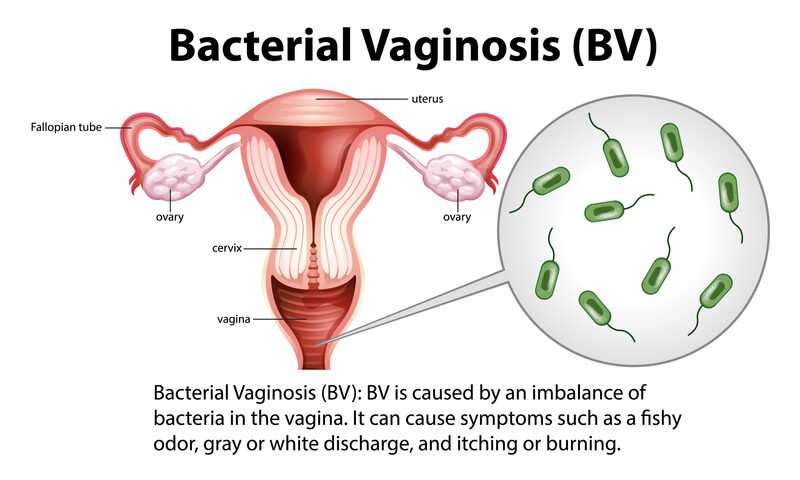
Bacterial vaginosis (BV) is caused by an imbalance of the naturally occurring vaginal flora, characterized by both a change in the most common type of bacteria present as well as an increase in the total number of bacteria present.  Lactobacillus species dominates normal vaginal microbiota. Bacterial vaginosis is associated with a decline in the overall number of lactobacilli. Most bacterial vaginosis infections start with the organism Gardnerella vaginosis, which creates a biofilm that subsequently provides a conducive environment for the proliferation of other opportunistic bacteria. G vaginalis also produces vaginolysin, a pore-forming toxin affecting human cells. 

Immunization Part 1- How Vaccines Changed the World

Immunization has become a vital part of public health and disease prevention, and yet, it remains a controversial topic in our society today. Diseases that were once responsible for significant morbidity and mortality have now become all but eradicated, thanks to the introduction of vaccines. Immunization has contributed to increased life expectancy and improved quality of life.

Immunization Part 2 – How Vaccines Work

A vaccine is a biological product that can be used to safely induce an immune response that confers protection against an infection and/or disease on subsequent exposure to a pathogen. To achieve this, the vaccine must contain antigens that are either derived from the pathogen or produced synthetically to represent components of the pathogen.

Cancer Vaccines

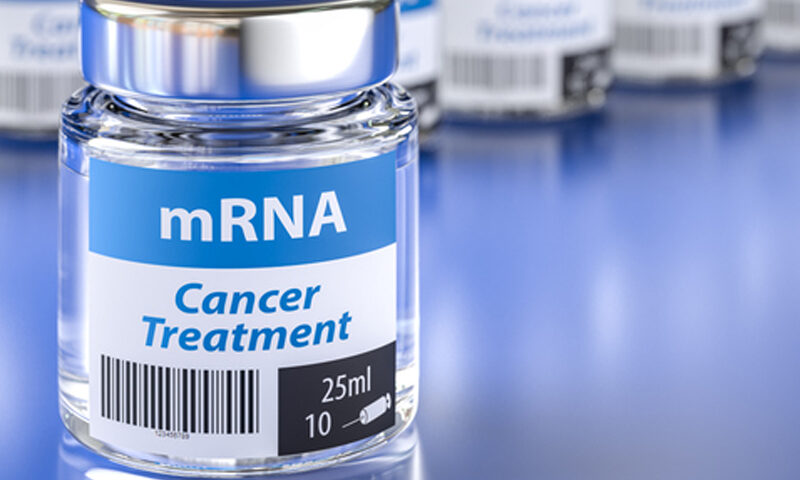
Immunization Part 3 – The future Of Personalized Cancer Vaccines

The integration of high-throughput technologies and big data analytics is revolutionizing vaccine research.  Multi-omics approaches—such as transcriptomics, proteomics, and metabolomics—enable a deeper understanding of immune responses at a cellular and molecular level. AI and machine learning algorithms further enhance vaccine design by predicting antigenic targets and optimizing formulations.

Reproductive Aging

Understanding Reproductive Aging and the Role of Anti-Müllerian Hormone (AMH)

Reproductive aging in women is primarily due to the gradual reduction in the number of eggs (oocytes) over time. Oocytes cannot be reproduced, and while some develop and are released during ovulation, many others diminish as they become non-viable follicles and eventually disappear. This natural decline continues until menopause, at which point fertility ends entirely. Before menopause, fertility declines mainly due to the increased presence of oocytes with abnormal chromosomes (aneuploidy), which affects their viability.

Ploygenic Embryo Testing

Polygenic Embryo Testing in IVF Can It Predict IQ?

Preimplantation Genetic Testing (PGT) has been used in various forms over the last two decades. Preimplantation Genetic Testing PGT involves testing early embryos following in vitro fertilization, IVF, and has now become an accepted part of genetic testing. Nowadays, PGT serves as a resource for couples who have a family history of monogenic (single gene) disorders, wherein the fetus is at high risk of inheriting the condition.