Understanding Reproductive Aging and the Role of Anti-Müllerian Hormone (AMH)
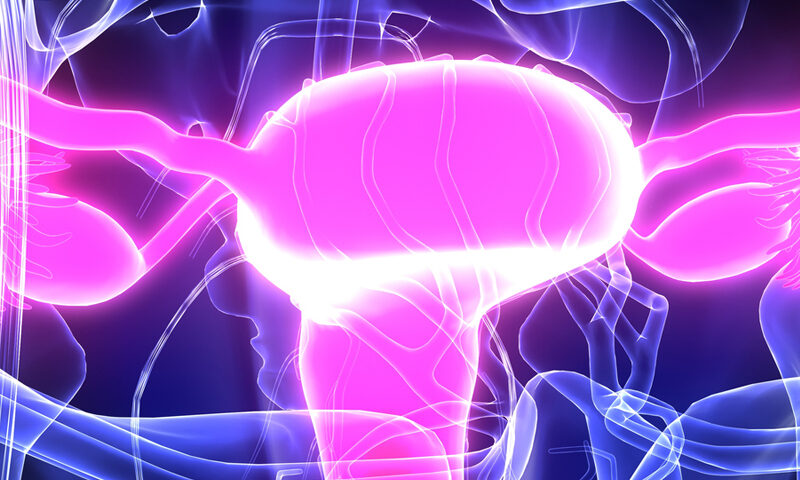
Reproductive aging in women is primarily due to the gradual reduction in the number of eggs (oocytes) over time. Oocytes cannot be reproduced, and while some develop and are released during ovulation, many others diminish as they become non-viable follicles and eventually disappear. This natural decline continues until menopause, at which point fertility ends entirely. Before menopause, fertility declines mainly due to the increased presence of oocytes with abnormal chromosomes (aneuploidy), which affects their viability.