Endometriosis Part 1: Root Causes

Endometriosis is classically defined as the presence of endometrial tissue both endometrial glands and stroma (connective tissue), in ectopic locations outside of the uterus, primarily the ovaries, fallopian tubes, pelvic peritoneum and rectovaginal septum. Affecting 6-10% of women of reproductive age, endometriosis is characterized by dysmenorrhea, chronic pelvic pain, irregular uterine bleeding and/or infertility and is occasionally accompanied by painful intercourse, bowel movements and/or urination.

Endometriosis Part 2: Impact on Fertility  

Endometriosis is a significant factor contributing to infertility in women, primarily due to its impact on the reproductive organs and functions. The presence of endometriotic tissue outside the uterus causes chronic inflammation, which can interfere with normal ovarian and tubal function, disrupting the process of ovulation, fertilization, and embryo implantation.

Endometriosis Part 3: Treatment

The medical treatment of endometriosis focuses on managing symptoms, particularly pain, and improving fertility outcomes by addressing the hormonal imbalances and inflammation associated with the condition. A common first-line treatment involves hormonal therapy aimed at reducing estrogen levels, which fuel the growth of endometriotic lesions. Oral contraceptives, containing a combination of estrogen and progestin, help regulate hormonal fluctuations and reduce menstrual flow, thereby alleviating symptoms.

Testosterone

Testosterone – The Key to Desire and Fertility in Women

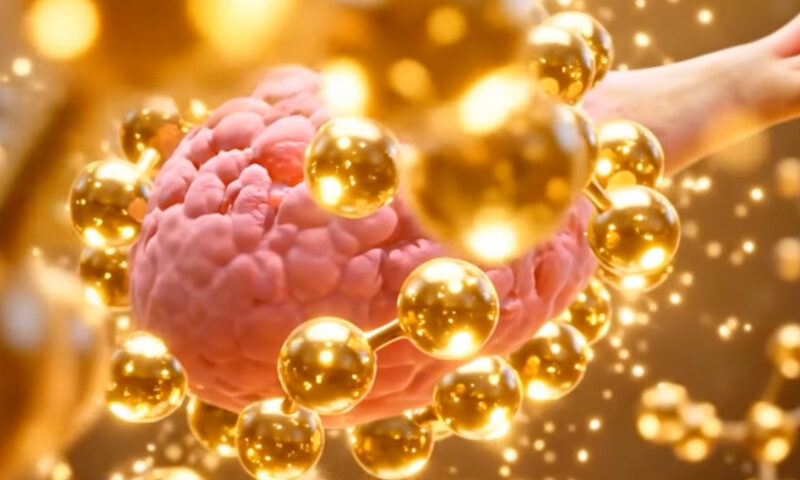
Testosterone plays an important but often underappreciated role in women’s health. Although it is typically regarded as a “male” hormone, women also produce testosterone in smaller amounts—mainly in the ovaries, adrenal glands, and peripheral tissues. It functions as both an androgen and a precursor for estrogen synthesis, influencing a wide range of physiological systems.

Polycystic Ovary Syndrome

The PCOS Diabetes Connection

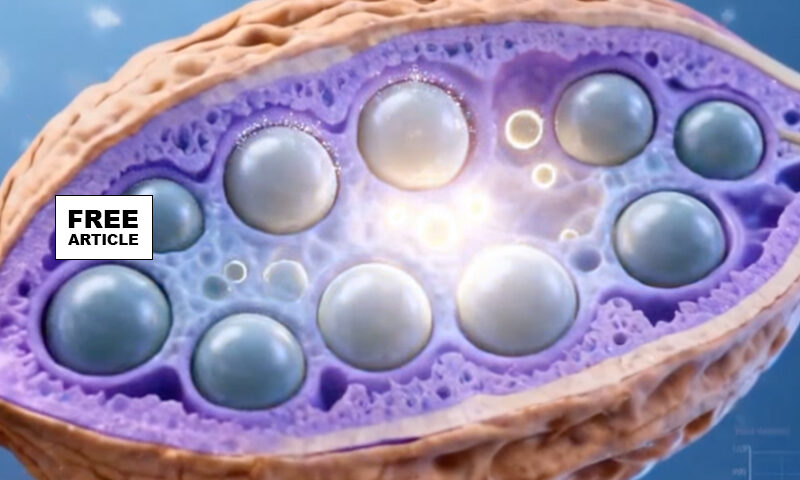
Polycystic Ovary Syndrome (PCOS) is intricately linked to hyperinsulinemia and an increased risk of developing type 2 diabetes, primarily due to the role of insulin resistance in the condition's pathophysiology. Hyperinsulinemia, a condition characterized by elevated levels of insulin in the blood, plays a pivotal role in the development of insulin resistance through a complex interplay of cellular and molecular mechanisms.

Your Child’s Cells Live Within You for Decades

During pregnancy, there is a physiological exchange between mother and fetus through the placenta This transplacental traffic can be unidirectional or bidirectional. The unidirectional transfer involves nutrients, water, electrolytes, oxygen, hormones, and immunoglobulins being transferred from the mother to the fetus and carbon dioxide and catabolism products from the fetus being transferred to the mother. Bidirectional traffic consists of maternal-fetal exchanges of cells and genetic material such as DNA. 

Fibroids

FIBROIDS UBIQUITOUS BENIGN TUMORS

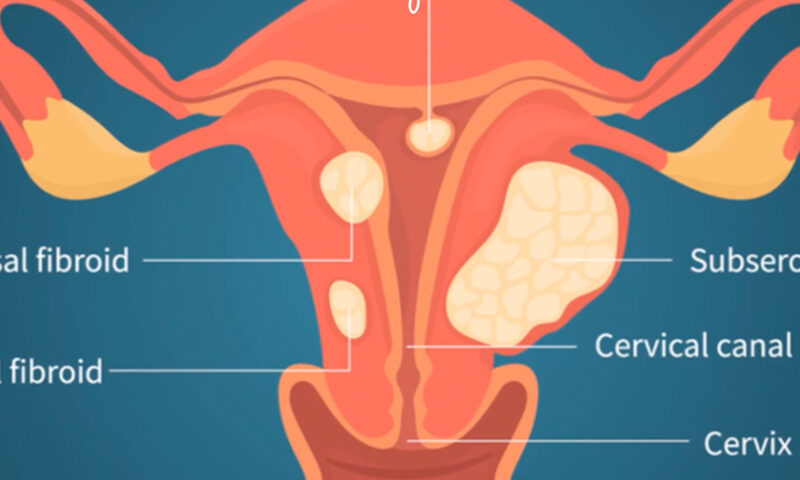
Uterine fibroids are noncancerous (benign) tumors that grow in or around the uterus, also known as the womb. They are very common, especially in women of childbearing age in fact they are most common tumors in women worldwide. While many women with fibroids have no symptoms, some experience heavy bleeding, pelvic pain, and other issues. Fibroids, can also affect fertility and pregnancy.

Carpel Tunnel

Carpel Tunnel Syndrome – Why Women are More Susceptible

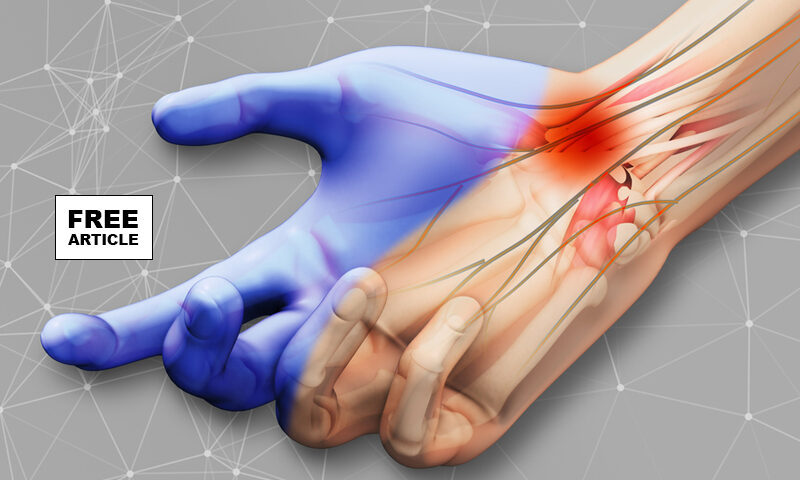
Carpal tunnel syndrome (CTS) is the name of a group of problems that includes swelling, pain, tingling, and loss of strength in your wrist and hand. Women are three times more likely to have carpal tunnel syndrome CTS than men. 

Carpal Tunnel Syndrome (CTS) in women is a common condition caused by compression of the median nerve as it passes through the carpal tunnel in the wrist.

Urinary Incontinence in Women

Understanding Urinary Incontinence in Women

Urinary incontinence in women refers to the involuntary leakage of urine, affecting various aspects of their physical, psychological, and social well-being. It is a common condition, with over one in three adult women experiencing some form of urinary incontinence. While it's more prevalent in older women, it can affect women of all ages and is often associated with life events unique to women, like pregnancy, childbirth, and menopause.

Epigenetics – It’s Role in Disease Part 1

Epigenetics studies how behaviors and the environment can change the way genes work without altering the underlying DNA sequence itself. These changes involve chemical modifications to the DNA or associated proteins, collectively known as the epigenome, which act like switches to turn genes "on" or "off". This process is crucial for normal development, can influence health and disease, and can sometimes be passed down to future generations.